North India Statesman
Sleep is universally regarded as the body’s ultimate restorative sanctuary—a sacred window where blood pressure dips, respiration slows, and cellular repair takes center stage. Yet for hundreds of thousands of people worldwide, the quietest hours of the night conceal a catastrophic vascular emergency known medically as a wake-up stroke or nocturnal stroke. Clinical data reveals that nearly one in four ischemic strokes strikes while the patient is asleep, leaving individuals to wake up already deep into a neurological crisis. In rapidly urbanizing metropolitan landscapes like Delhi-NCR, Mumbai, Lucknow, and Bengaluru, where chronic stress, untreated hypertension, diabetes, and erratic sleep schedules have become pervasive, the incidence of nocturnal cerebrovascular incidents is climbing at an alarming pace. Unlike a daytime stroke where the onset is immediately witnessed and actionable, a stroke occurring in the dark robs both the patient and the physician of the most crucial element in stroke management: knowing the precise moment the artery shut down.
The Circadian Trap: How Your Body’s Internal Clock Triggers Clots
The human body operates under a rigorous circadian rhythm governed by the brain’s suprachiasmatic nucleus, which orchestrates profound hemodynamic shifts across a twenty-four-hour cycle. In the pre-dawn hours, roughly between 4:00 AM and 8:00 AM, the body prepares itself for morning awakening by initiating a massive neurohormonal surge. Adrenaline and cortisol flood the bloodstream, sparking a natural spike in blood pressure and cardiac output. Simultaneously, the hematological profile undergoes a dramatic change: blood platelets become stickier and far more prone to spontaneous aggregation, while natural clot-dissolving proteins like tissue plasminogen activator drop to their daily trough. If an individual already harbors arterial plaque or narrowed cerebral vessels, this abrupt early-morning hemodynamic surge creates the perfect storm for an atherothrombotic clot to form or dislodge, completely severing oxygen supply to delicate brain parenchyma.
The Triple Threat: Sleep Apnea, Atrial Fibrillation, and Nighttime Dehydration
Beyond natural circadian rhythms, three common physiological culprits aggressively drive the onset of nighttime strokes. The most notorious is Obstructive Sleep Apnea (OSA), a condition characterized by repetitive collapses of the upper airway during sleep. Each apneic episode causes blood oxygen saturation to plunge drastically, triggering an emergency sympathetic response that sends blood pressure rocketing skyward and strains the cerebral vasculature hundreds of times per night. The second major offender is Atrial Fibrillation (AFib), an irregular cardiac rhythm that frequently intensifies during nocturnal vagal dominance; when the heart’s upper chambers quiver erratically, stagnant blood pools and forms micro-clots that shoot directly up the carotid arteries into the brain. Compounding both of these conditions is simple nighttime dehydration. Going seven to eight hours without water intake, particularly in warm climates or among patients taking evening diuretic medications, thickens the blood, elevates hematocrit levels, and slows microvascular perfusion through already compromised cerebral pathways.
Critical Morning Red Flags You Must Never Dismiss as Grogginess
The greatest danger of a nocturnal stroke lies in the dangerous tendency to misinterpret morning symptoms as transient grogginess, low blood sugar, or sleeping in an awkward posture. Recognizing these neurological red flags the moment your eyes open can mean the difference between full functional recovery and lifelong paralysis.
-
One-Sided Facial Asymmetry: One corner of the mouth droops noticeably, the eyelid sags, or water dribbles uncontrollably from one side of the lips when brushing your teeth or taking a morning sip of tea.
-
Unilateral Motor Weakness: An arm or leg feels dead, heavy, or completely unresponsive. Unlike a limb that has temporarily “fallen asleep” from pressure and recovers with a tingling sensation upon shaking, stroke-induced hemiparesis shows zero improvement with movement.
-
Speech Slurring and Aphasia: Waking up unable to articulate clear sentences, using nonsensical words, or struggling to comprehend what family members are saying indicates critical ischemia in the brain’s language centers.
-
Sudden Visual Distortions: Experiencing abrupt blindness in one eye, double vision, or a complete loss of peripheral sight upon opening your eyes points toward an occlusion in the posterior circulation or ophthalmic artery.
-
Severe Loss of Balance and Vertigo: An inability to sit up straight, uncontrollable stumbling toward one side, or an intense spinning sensation suggests cerebellar or brainstem ischemia.
-
The “Thunderclap” Morning Headache: Waking up to an explosive, intolerable headache unlike any ordinary tension headache or migraine can indicate an intracranial bleed or hemorrhagic transformation.
The Critical “Last Seen Normal” Dilemma in Wake-Up Strokes
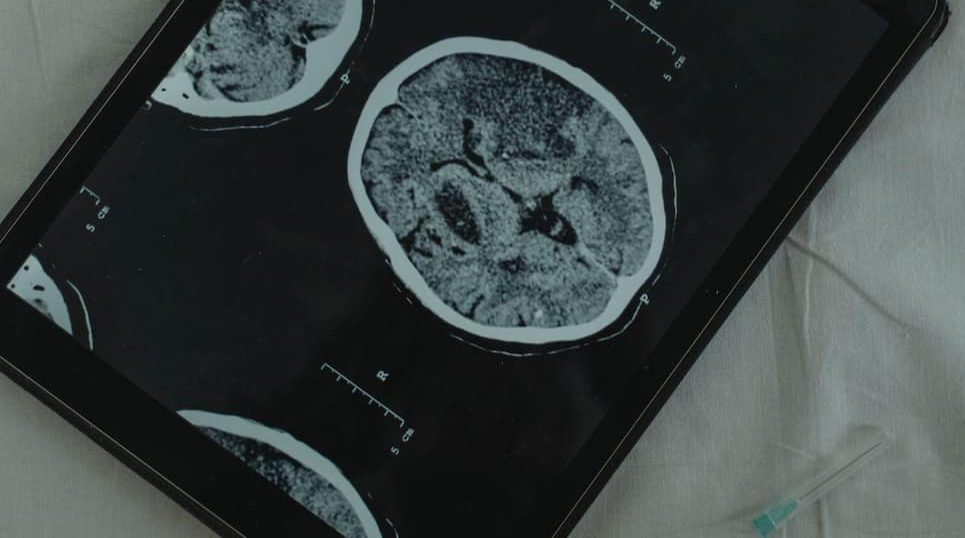
In standard stroke emergencies, intravenous clot-busting medications such as recombinant tissue plasminogen activator (rtPA) must be administered within a strict 4.5-hour therapeutic window from the onset of symptoms. With wake-up strokes, medical teams are confronted with an ambiguous timeline: did the stroke happen five minutes before waking up, or six hours earlier right after falling asleep? Historically, wake-up stroke patients were routinely excluded from thrombolytic therapy because of this unknown duration. However, revolutionary advancements in neuroimaging have rewritten emergency protocols. Specialized multi-modal MRI sequences, specifically diffusion-weighted imaging (DWI) paired with fluid-attenuated inversion recovery (FLAIR), can reveal “DWI-FLAIR mismatch.” If brain tissue shows acute restriction on DWI but has not yet turned bright on FLAIR, it proves the ischemic lesion is exceptionally fresh, allowing skilled neurologists to safely administer thrombolysis or perform catheter-based mechanical thrombectomy up to twenty-four hours after the patient was last seen normal.
Emergency Protocol: What to Do and What to Strictly Avoid
If you or someone in your household wakes up displaying even one warning sign of a stroke, decisive action is paramount. Never encourage the person to “lie down and sleep it off,” as delaying medical care is the single greatest cause of permanent neurological disability. Do not administer water, hot beverages, or food, because swallowing reflexes are frequently paralyzed, creating an immediate risk of fatal choking and chemical aspiration pneumonia. Crucially, do not administer an over-the-counter aspirin tablet; while aspirin helps an ischemic stroke, it can cause catastrophic, fatal bleeding if the stroke happens to be hemorrhagic. Instead, note the exact time the patient was last witnessed awake and functioning normally, keep them resting comfortably with their head elevated at roughly thirty degrees, and immediately dial emergency services (112 or 108) to arrange rapid transport to an accredited, comprehensive stroke-ready hospital equipped with around-the-clock CT, MRI, and neuro-interventional capabilities.
Building a Strong Defense Against Nighttime Vascular Catastrophes
Preventing a nocturnal stroke requires consistent vascular care and proactive nocturnal health management. Anyone who snores heavily, wakes up gasping for air, or experiences daytime exhaustion should undergo a formal polysomnography (sleep study) to diagnose and treat sleep apnea with continuous positive airway pressure (CPAP) therapy. Managing 24-hour ambulatory blood pressure is equally vital, ensuring that evening and nighttime blood pressure levels do not experience dangerous nocturnal surges. Keeping a glass of water on your bedside table to prevent severe dehydration, maintaining rigorous control over blood glucose and cholesterol panels, screening for silent cardiac arrhythmias through periodic Holter monitoring, and quitting tobacco use altogether provide a robust defense against midnight vascular events. Understanding that strokes do not sleep empowers you to identify the earliest warning signs at dawn and claim the life-saving medical intervention that preserves the brain.