North India Statesman
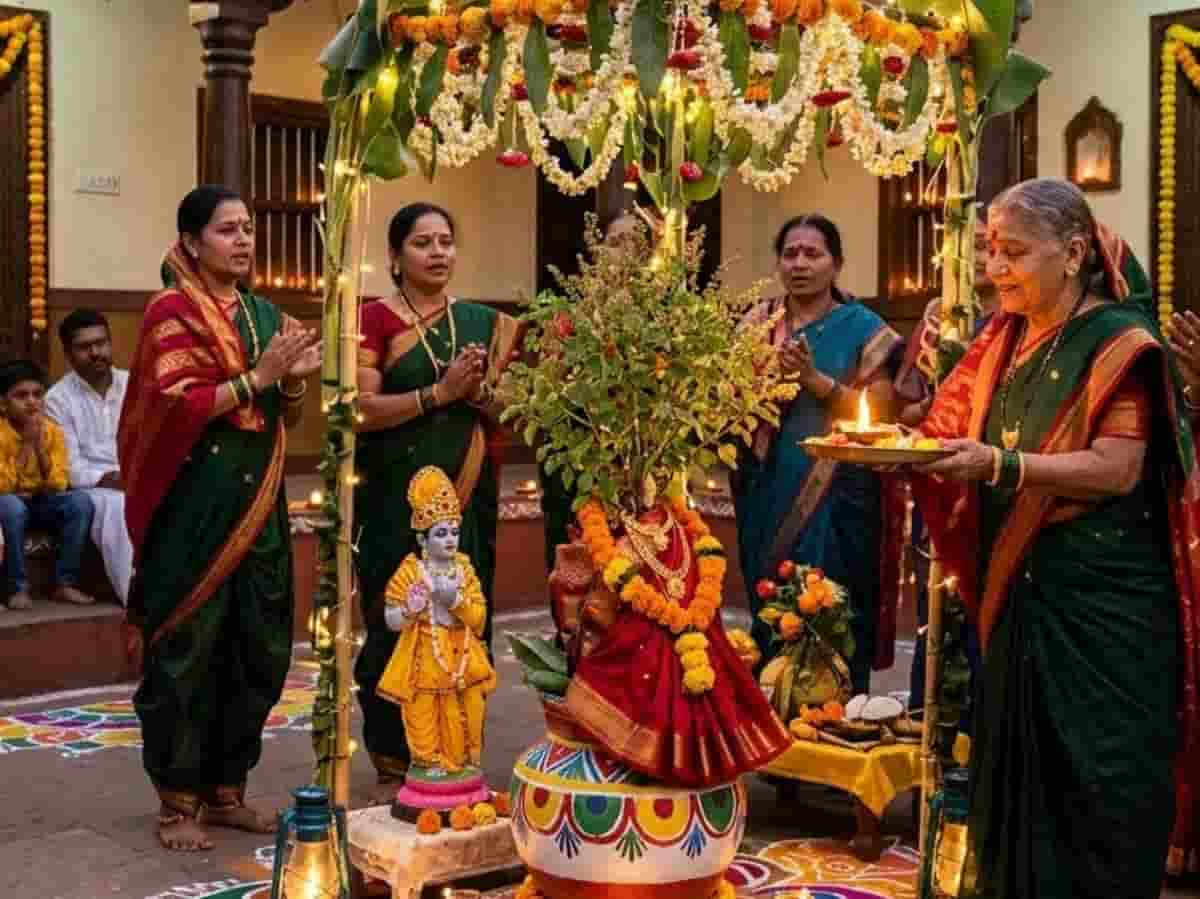
Tulsi Vivah, the sacred ceremonial union of Goddess Tulsi and Lord Shaligram—an earthly manifestation of Lord Vishnu—is observed every year during the holy month of Kartik and marks the traditional beginning of the Hindu wedding season. According to the Hindu Panchang for 2026, while Dev Uthani Ekadashi falls on Friday, November 20, the Kartik Shukla Dwadashi Tithi begins at 6:31 AM on Saturday, November 21, and continues until 4:56 AM on Sunday, November 22. Following the Udaya Tithi tradition observed across major centers such as New Delhi, Lucknow, Varanasi, and Mumbai, Saturday, November 21, 2026, is the primary and most auspicious day to perform Tulsi Vivah. Hindu scriptures and Vedic astrologers emphasize that evening twilight—known as Godhuli Kaal and Pradosh Kaal—is the ideal window for conducting the celestial wedding. On November 21, the auspicious Godhuli Muhurat runs from 5:25 PM to 6:13 PM IST, while the broader Pradosh Kaal window extends from 5:25 PM to 7:49 PM IST, offering families an ideal period to light lamps and solemnize the ceremony.
Sacred Offerings to Mother Tulsi for Wealth From All Ten Directions
In Vedic tradition and Vastu Shastra, Mother Tulsi is revered as an embodiment of Goddess Lakshmi, and offering specific sacred items during her wedding is believed to remove financial blockages and attract abundance from all ten directions. Devotees seeking financial stability and household prosperity begin by offering a fresh red chunari or silk saree alongside complete Solah Shringar items, including vermilion (sindoor), red bangles, bindi, mehndi, and alta. Astrological traditions note that gently applying a pinch of sindoor on the Tulsi stems and tying a sacred red cotton thread (kalava or mauli) around the base of the plant helps stabilize cash flow and prevents unnecessary expenditure. Additionally, offering water or raw cow’s milk mixed with saffron (kesar) and a few drops of Gangajal using a copper or silver vessel is considered highly auspicious for invoking the dual grace of Lord Vishnu and Goddess Lakshmi. Placing fresh sugarcane stalks around the Tulsi pot to form a wedding mandap and offering sugarcane juice, seasonal fruits like amla (Indian gooseberry) and ber, saffron-infused rice kheer, and sweet betel leaves (meetha paan) further invites sweetness, growth, and uninterrupted prosperity into the home.
Step-by-Step Puja Vidhi for Performing Tulsi Vivah at Home
Performing Tulsi Vivah at home requires sincere devotion and clean, sattvic preparations rather than elaborate expense. Families start by thoroughly cleaning the courtyard, balcony, or prayer area and drawing a colorful rangoli around the Tulsi Vrindavan. Four fresh sugarcane stalks are tied together around the Tulsi pot to erect a traditional wedding canopy, decorated with marigold garlands and mango leaves. Beside the Tulsi plant, a clean wooden platform (chowki) draped in yellow cloth is arranged to seat the Shaligram stone or an idol of Lord Vishnu or Shri Krishna. After bathing the Tulsi plant and Shaligram with clean water and Gangajal, devotees invoke Lord Ganesha first to remove obstacles, followed by applying haldi, chandan, kumkum, and akshat to both deities. A sacred red thread or the corner of Mother Tulsi’s chunari is then tied to Lord Shaligram’s yellow garment as family members recite Mangalashtak verses, perform symbolic Kanyadaan, and carry the Shaligram around the Tulsi plant for seven sacred circumambulations (pheras) before concluding with a ghee lamp aarti and prasad distribution.
Special Remedies and Deepdaan Rituals for Financial Stability
Beyond the core wedding rituals, spiritual practitioners highlight simple traditional remedies observed on Tulsi Vivah evening to strengthen household finances. Lighting multiple pure cow-ghee diyas around the Tulsi Vrindavan after sunset—a practice known as Deepdaan—dispels stagnant negative energy and symbolizes welcoming auspiciousness from every direction. Another widely followed custom involves placing a few intact Tulsi leaves offered during the puja inside a clean piece of red cloth, tying it gently, and keeping the small bundle inside the home safe, cash box, or wallet as a symbol of sustained blessings. Devotees also chant sacred Vaishnava mantras such as “Om Namo Bhagavate Vasudevaya” and the Tulsi Gayatri Mantra while circumambulating the plant to cultivate harmony, gratitude, and mental clarity.
Important Rules and Precautions to Observe During Tulsi Worship
To ensure that the sanctity of Tulsi Vivah is preserved, traditional scriptures advise following a few essential guidelines during the festival. Devotees should avoid plucking Tulsi leaves after sunset or on Ekadashi and Dwadashi tithis; instead, leaves needed for offering to Lord Shaligram should be gathered gently during daytime hours beforehand, while chanting a prayer of permission. Only pure, sattvic food items prepared without onion, garlic, or tamasic ingredients should be offered as bhog. Finally, the bridal bangles, chunari, and shringar items offered to Mother Tulsi during the ceremony should never be discarded; after the puja concludes, they are respectfully distributed among married women in the family or neighborhood as blessed suhag prasad.