North India Statesman
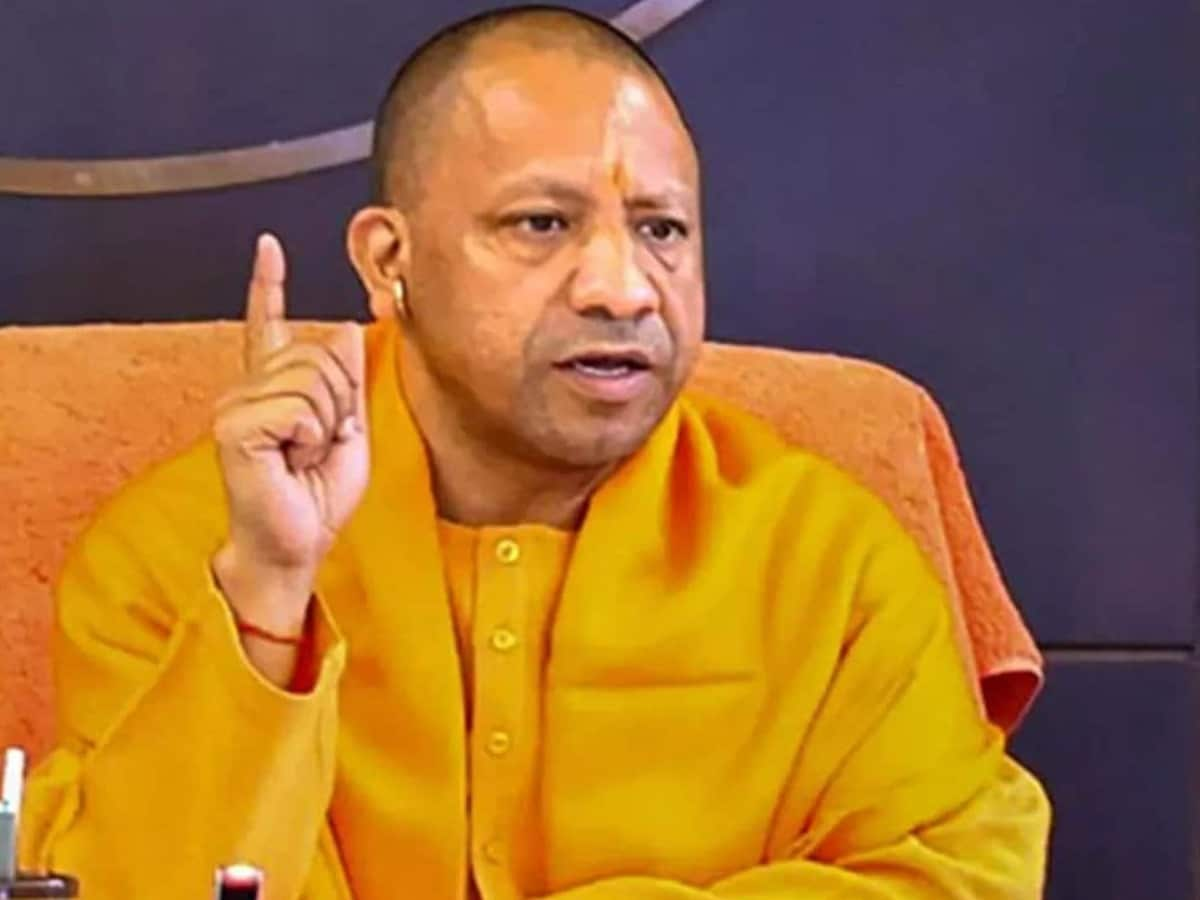
To guarantee uninterrupted healthcare access during the festive window of Diwali, Govardhan Puja, and Chhath, the Uttar Pradesh government led by Chief Minister Yogi Adityanath has directed all autonomous state medical colleges, premier medical institutions, and district healthcare centers to operate on high alert mode.
The Directorate of Medical Education and Training (DGME) issued formal guidelines requiring all state-run medical teaching institutions to operate their emergency wings, trauma centers, and intensive care units round the clock without disruption. The directive aims to tackle potential festival-related emergencies, including firecracker burns, ocular trauma, road accidents, and crowd injuries.
Round-the-Clock Emergency Services and Departmental Duty Rosters
Under the guidelines issued by the Medical Education Department, medical college administrations have instituted mandatory 24-hour shift rosters to ensure specialists, resident doctors, and paramedical personnel remain present on-site.
Key clinical departments placed on emergency operational rosters include:
-
Trauma and Emergency Medicine: Continuous triage desks to attend to incoming critical cases without delay.
-
Burn Units and Plastic Surgery: Dedicated burn stabilization beds, dressing stations, and surgical teams on immediate call to treat cracker-induced burns.
-
Ophthalmology: Eye specialists deployed to treat firework flash injuries, corneal abrasions, and foreign body penetrations.
-
Orthopedics, General Surgery, and Anesthesiology: Teams on standby to handle road traffic collisions and perform emergency surgical interventions.
-
Radiology and Pathology: Continuous operation of diagnostic infrastructure, including CT scans, X-rays, ultrasonography, and rapid blood testing.
Routine, unapproved leaves of medical superintendents, clinical faculty, and nursing staff have been restricted throughout the holiday stretch.
Stockpiling Life-Saving Drugs, Oxygen, and Blood Reserves
Principals, directors, and chief medical superintendents (CMS) of all medical colleges have been instructed to inspect and maintain stock levels of critical medical inventory.
The mandated inventory checklist includes:
-
Essential Pharmaceuticals: Adequate stocks of emergency burn ointments, IV fluids, analgesics, anti-tetanus serums, sutures, and specialized emergency medicine kits.
-
Blood Bank Operations: Assuring adequate reserves of all blood groups and platelets to manage major trauma and surgical blood loss.
-
Oxygen and Power Backups: Verified continuous liquid medical oxygen (LMO) supplies, fully operational manifold systems, and generator sets with reserve diesel fuel to withstand grid fluctuations.
-
Sanitation and Ward Hygiene: Maintaining strict infection control protocols and round-the-clock cleanliness in wards and ICUs.
Seamless Referral Networks and Ambulance Coordination
Recognizing that Chhath and Diwali witness heavy passenger movement across urban hubs and rural districts, medical colleges have been directed to maintain active coordination with district hospitals, community health centers (CHCs), and state emergency transport fleets.
Fleet operators of 108 and 102 emergency ambulance services, alongside the UP-112 fast-response network, will work in tandem with medical college emergency reception desks. For critically injured patients referred from peripheral rural hospitals, advance alerts will be sent to tertiary medical centers so that critical care teams can prepare ventilators, ICU beds, and operating suites prior to the patient’s arrival, preventing delays during golden-hour trauma management.
Accountability and Institutional Oversight
The state government has emphasized that any lapses or unauthorized absenteeism during the festive period will draw strict departmental action. Heads of institutions have been mandated to conduct daily physical inspections of their emergency premises, trauma wards, and diagnostic units.
By deploying medical resources, fully equipped burn centers, and an emergency network across Uttar Pradesh, the state administration aims to ensure that citizens celebrate the festive season with immediate, high-grade medical support available if required.