North India Statesman
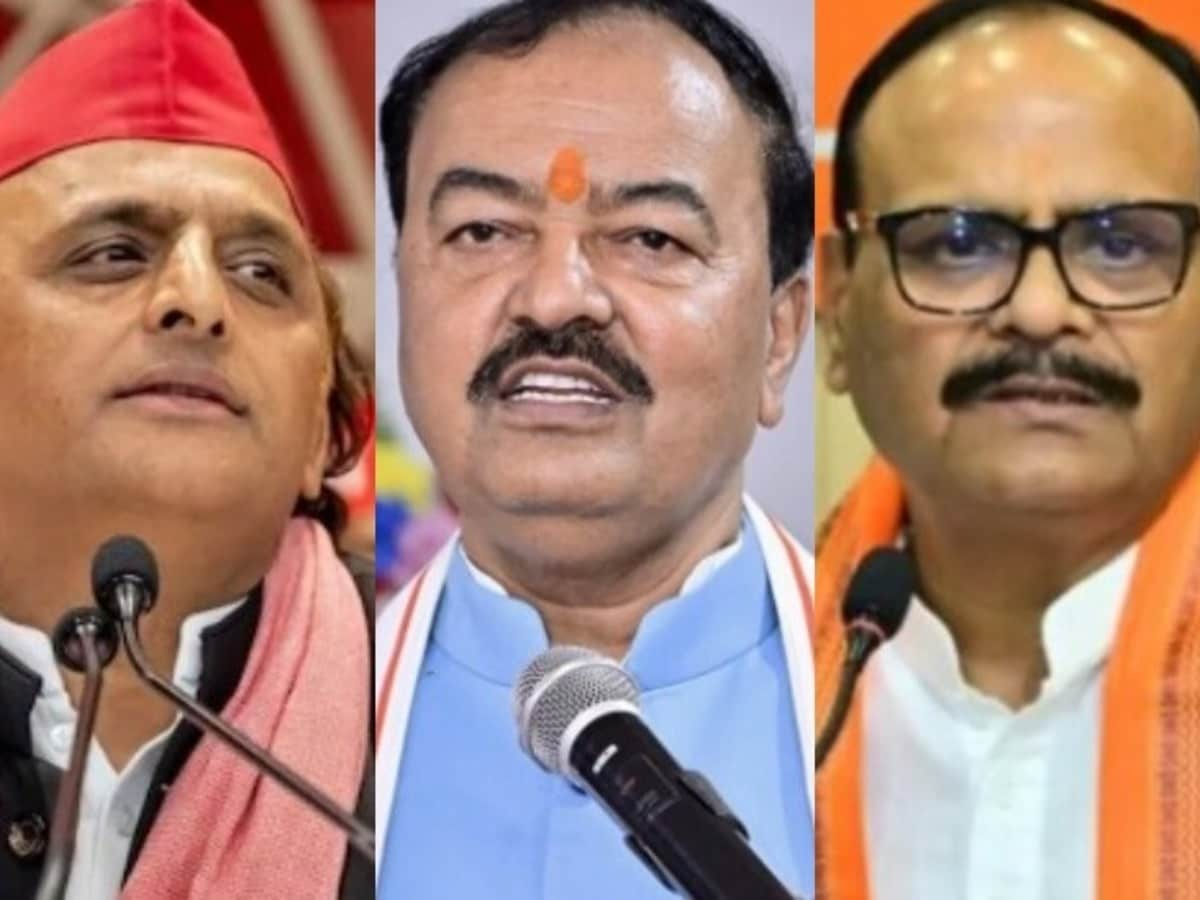
With the 2027 Uttar Pradesh Assembly elections approaching fast, the battle to win over the state’s women voters—widely referred to in political circles as “aadhi aabadi” or half the population—has moved to the centre stage of Lucknow politics. Following the Union Cabinet’s fresh approval of legislation linked to delimitation and the implementation of the Women’s Reservation Bill ahead of Parliament’s upcoming special sitting, the ruling Bharatiya Janata Party and the opposition Samajwadi Party have locked horns in a fierce war of words. While the BJP is aggressively targeting Akhilesh Yadav over his party’s stance on parliamentary constitutional amendments, the Samajwadi Party is countering with big-ticket financial guarantees in its newly unveiled election manifesto and accusing the government of delaying women’s political empowerment on technical grounds.
BJP Launches Offensive Over Delimitation and Quota Bills
Top leaders of the Uttar Pradesh BJP government have wasted no time in turning the Union Cabinet’s clearance of the delimitation and women’s quota measures into a major political plank. Chief Minister Yogi Adityanath has appealed to all Members of Parliament from Uttar Pradesh to rise above party lines and support the legislation in the House. Backing up the offensive in Lucknow, Deputy Chief Ministers Keshav Prasad Maurya and Brajesh Pathak accused the Samajwadi Party and the Congress of adopting double standards—talking about women’s welfare in election manifestos while obstructing 33 per cent legislative reservation inside Parliament. Maurya argued that once delimitation based on the 2011 census proceeds, Uttar Pradesh’s representation is projected to expand significantly from 80 to around 120 Lok Sabha seats and from 403 to nearly 605 Assembly seats, opening the doors of the legislature to hundreds of new representatives, including a third reserved exclusively for women.
Akhilesh Yadav Counters With Welfare Guarantees and Quota Within Quota
Facing sharp scrutiny from the treasury benches, Samajwadi Party chief Akhilesh Yadav has framed his counter-strategy around immediate economic relief and social justice. Just days after unveiling his party’s first phase of the 2027 election manifesto titled “PDA Ka Prannpatra”—which promises annual cash assistance of up to ₹40,000 for women, ₹5 nutritious meals at Samajwadi Canteens, and a dedicated women-centric manifesto to follow—SP leaders hit back at the BJP’s legislative push. The opposition party maintains that the Nari Shakti Vandan Adhiniyam was already passed in 2023 and accuses the ruling dispensation of using delimitation prerequisites to stall real implementation. Furthermore, the Samajwadi Party has consistently demanded that the 33 per cent women’s reservation must include explicit sub-quotas for women belonging to Other Backward Classes, Dalit, and minority communities so that representation reaches the most marginalized sections of society.
Why Women Voters Hold the Key to Lucknow in 2027
Behind the escalating rhetoric in Lucknow, Varanasi, Gorakhpur, and Agra lies hard electoral arithmetic. According to updated electoral roll figures in Uttar Pradesh, women account for roughly 6.20 crore voters, making up over 45.6 per cent of the state’s total electorate. Crucially, women in Uttar Pradesh have consistently outpaced men at the polling booths in recent elections. During the 2022 Assembly polls, female voter turnout stood at 62.24 per cent compared to 59.15 per cent among male voters, playing a decisive role in returning the BJP to power. However, the 2024 Lok Sabha results demonstrated that shifts in women’s voting preferences—driven by concerns over inflation, household budgets, and welfare delivery—can dramatically alter seat tallies across Purvanchal, Awadh, Bundelkhand, and Western UP.
Welfare Politics Meets Legislative Representation
Political observers in Lucknow note that the 2027 contest is shaping up as a direct clash between two distinct models of female voter outreach. On one side, the BJP is pairing its existing welfare schemes, housing initiatives, and law-and-order narrative with the promise of historic legislative empowerment through 33 per cent reservation and expanded state seats. On the other side, the Samajwadi Party is betting that direct cash transfers, subsidised kitchens, and its broader Backward-Dalit-Minority outreach will resonate more strongly with households feeling the pinch of rising living costs. With the special parliamentary session set to test party loyalties on the floor of the House next week, the tug-of-war over half of Uttar Pradesh’s electorate is only expected to grow sharper in the months leading up to the 2027 ballot.