North India Statesman
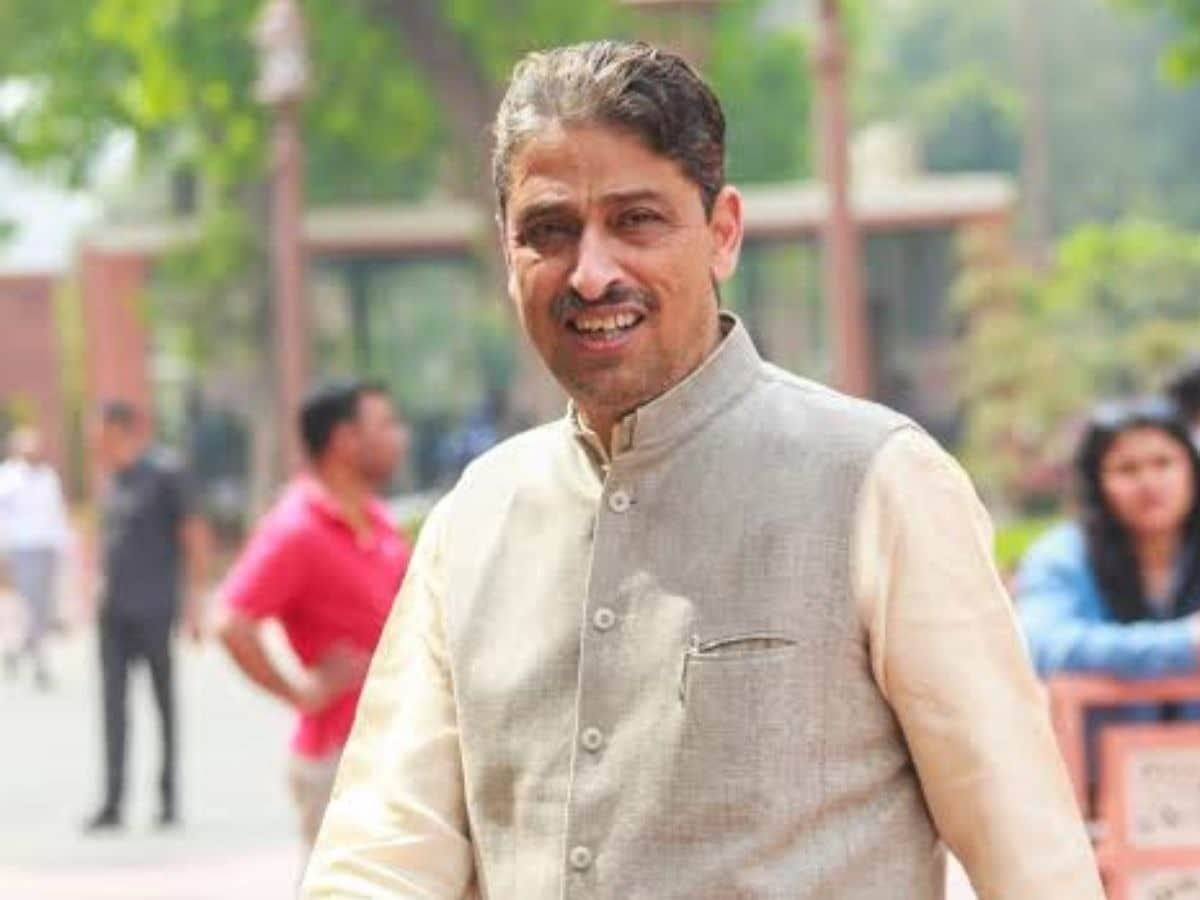
In the political landscape of western Uttar Pradesh, Saharanpur has long been more than just an administrative district bordering Haryana and Uttarakhand—it is the epicenter of a fiercely guarded political legacy for Congress Lok Sabha MP Imran Masood. On November 25, 2026, while Masood was in New Delhi representing the Congress at seat-sharing negotiations for the 2027 Uttar Pradesh Assembly elections, Samajwadi Party (SP) national president Akhilesh Yadav released his party’s first list of five candidates in Lucknow. Crucially, the list named sitting SP legislators for two key constituencies inside Masood’s own parliamentary backyard: Saharanpur (Rural) and Behat. For Masood, who took charge as working president of the Uttar Pradesh Congress Committee barely seven weeks ago, the unilateral move has transformed Saharanpur into a defining test of personal authority, regional dominance, and coalition survival.
Why Did Akhilesh Yadav’s Candidate List Trigger a Showdown in Saharanpur?
The timing and geography of the Samajwadi Party’s announcement struck directly at Imran Masood’s political standing. Hours after senior leaders from both INDIA bloc allies concluded discussions in New Delhi, the SP declared the renomination of Ashu Malik from Saharanpur and Umar Ali Khan from Behat, alongside candidates in Kairana, Amroha, and Lalitpur. Both Saharanpur and Behat fall within the Saharanpur Lok Sabha seat that Masood won in 2024, and both were at the top of the Congress party’s wish list for 2027.
Masood’s reaction was swift and unfiltered. Speaking to news agencies in New Delhi, the Saharanpur MP questioned the Samajwadi Party’s intentions, asking whether the SP wanted to fight the Bharatiya Janata Party (BJP) or undermine its own coalition partner. Dismissing the SP’s reported opening offer of 26 seats across the 403-member Uttar Pradesh Assembly, Masood remarked that an alliance is built on equal partners rather than “beggars”. Adding to the pressure on home turf, Masood’s nephew Hamza Masood posted a pointed warning on social media platform X, declaring that the Congress would not bow to pressure and was prepared to contest all seven assembly constituencies across Saharanpur district on its own.
The Personal Rivalry Over Regional Dominance and Family Politics
Behind the public dispute over coalition etiquette lies a deeply personal battle over varchasva—local political supremacy—in Saharanpur. According to local political observers and party insiders in western Uttar Pradesh, Masood’s sharpest friction is with sitting Saharanpur MLA Ashu Malik. Although Malik originally hails from neighbouring Muzaffarnagar before settling in Saharanpur, he and Masood once maintained cordial ties. However, local sources note that relations deteriorated steadily after Malik won the Saharanpur assembly seat in 2022 and began cultivating an independent power base in the district. Earlier this year, the underlying tension spilled into public view during a heated exchange between Masood and Malik at a district development coordination and monitoring committee meeting.
Complicating matters further is an intra-family political rift that the Samajwadi Party has actively leveraged. In August 2026, the SP inducted Shayan Masood—Imran Masood’s estranged son-in-law and vocal political rival—into the party fold. Since joining the SP, Shayan Masood has repeatedly targeted the Congress MP in local media and public gatherings. For Imran Masood, who rejoined the Congress in late 2023 and restored the party’s parliamentary presence in western Uttar Pradesh after more than a decade, allowing a rival coalition partner to dictate tickets and elevate local adversaries inside Saharanpur threatens his position as the region’s preeminent Muslim leader.
2024 Lok Sabha Leads vs. 2022 Assembly Wins: The Electoral Math
Beyond personal equations, the standoff in Saharanpur encapsulates the broader analytical divide between the Congress and the Samajwadi Party over how winnability should be measured in 2027. Each party is relying on a different electoral benchmark to stake its claim on Behat and Saharanpur:
-
Congress’s 2024 Lok Sabha Benchmark: Masood and UP Congress strategists point to the 2024 general election mandate, in which Masood defeated the BJP’s Raghav Lakhanpal in Saharanpur with 44.57 percent of the vote. Crucially, Masood secured massive assembly-segment leads in the exact constituencies the SP has now claimed—leading by 44,626 votes in Saharanpur and 38,229 votes in Behat. With both constituencies featuring substantial Muslim and Dalit populations, Congress views them as vital building blocks for reviving its organizational base across western Uttar Pradesh.
-
Samajwadi Party’s 2022 Assembly Benchmark: Conversely, SP leaders in Lucknow argue that sitting legislators cannot be replaced on the basis of parliamentary trends. In the 2022 Uttar Pradesh Assembly elections—when the SP and Congress contested separately—Umar Ali Khan won Behat with 1,34,513 votes, defeating the BJP’s Naresh Saini by 37,880 votes. In Saharanpur, Ashu Malik polled 1,07,007 votes to beat the BJP’s Jagpal Singh by 30,745 votes. By comparison, Congress candidates polled just over 2,800 votes combined across both constituencies in 2022, with party nominee Poonam Kamboj finishing fourth in Behat with 1,632 votes.
How Lucknow and New Delhi Are Responding to the Alliance Friction
As the war of words drew sharp criticism from BJP and NDA leaders in Lucknow, senior Samajwadi Party functionaries moved to separate Imran Masood’s remarks from the central Congress leadership. Sambhal SP MP Zia Ur Rehman Barq described Masood’s outburst as his “personal comments” rather than the official stance of the Congress high command, noting that formal dialogue between both parties remained open. Simultaneously, Akhilesh Yadav published a conciliatory message on social media, framing the 26-seat list as merely an initial starting point focused on winnable seats and assuring allies that mutual respect would guide further discussions.
What the Saharanpur Standoff Means for Western Uttar Pradesh
Whether the Samajwadi Party and the Congress manage to defuse tensions over Saharanpur and Behat will set the tone for opposition unity across the entire Rohilkhand and western Uttar Pradesh belt. For Imran Masood, ceding ground in his own parliamentary backyard without a reciprocal concession would weaken his authority both within the Uttar Pradesh Congress and among voters in Saharanpur. Yet pushing the confrontation to a breaking point risks splitting the consolidated Muslim-Dalit vote bank that powered the INDIA bloc’s resurgence in 2024. How both camps balance local prestige against statewide electoral arithmetic in the coming weeks will determine if Saharanpur becomes a launchpad for a united opposition campaign or the fault line that fractures it.