 North India Statesman
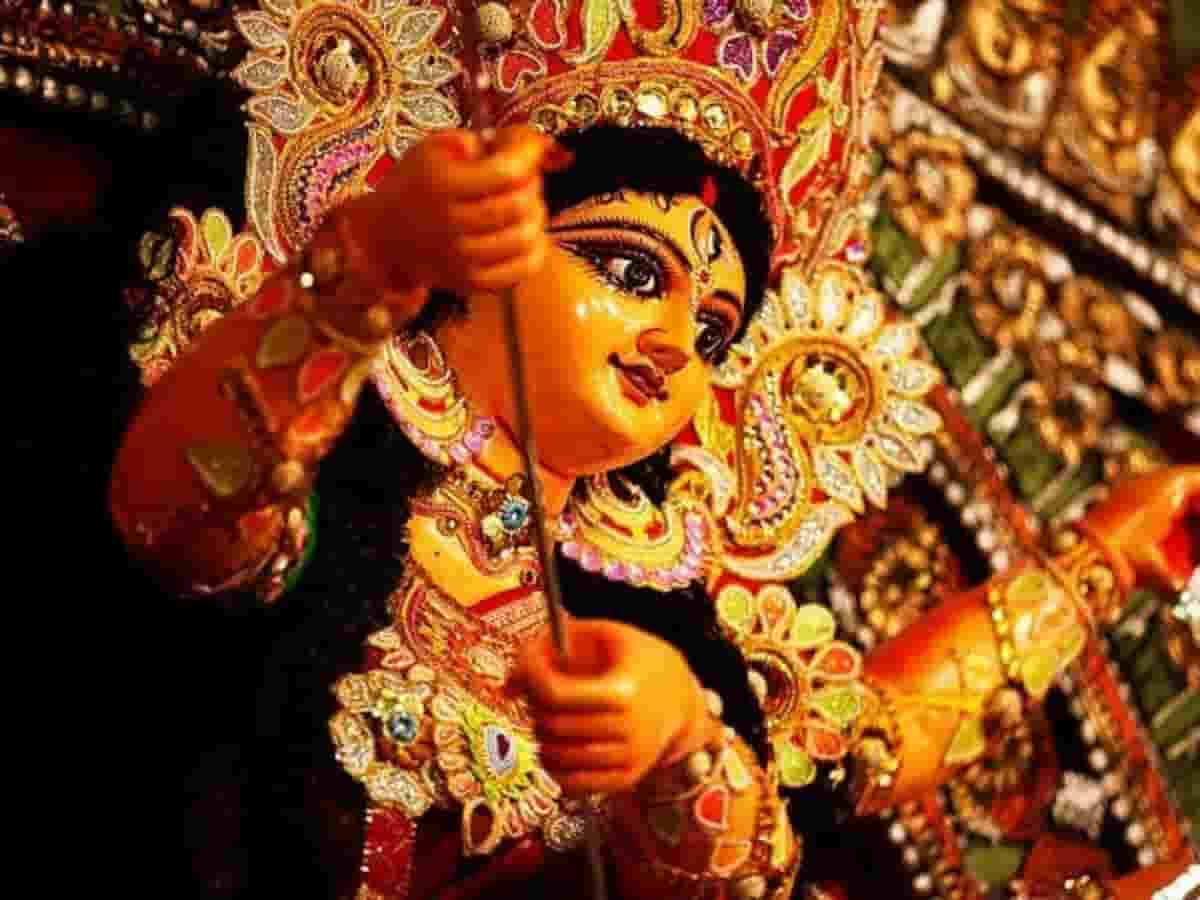
Devotees celebrating Sharad Navratri across the country face widespread confusion regarding the exact date for observing the Maha Navami fast, conducting havan, and organizing Kanya Pujan. Because tithis are calculated using lunar movements rather than the standard midnight-to-midnight solar calendar, two distinct dates—Monday, October 19, and Tuesday, October 20—are being debated across families and temple trusts. Navami marks the culminating day of Navratri, dedicated to Maa Siddhidatri, the giver of supreme boons, spiritual accomplishments, and domestic prosperity. To help devotees clear this calendar conflict, prominent Vedic scholars and Panchang authorities have analyzed the precise tithi transitions to establish the most spiritually potent hours for fasting and rituals.
Understanding the Tithi Timings: What the Vedic Panchang Actually Says
According to Vedic astronomical calculations, the Ashwin Shukla Navami tithi begins on the morning of Monday, October 19, 2026, and extends through the forenoon of Tuesday, October 20, 2026. On Monday morning, Ashtami tithi concludes, after which Navami tithi takes effect for the remainder of the day and overnight. On Tuesday, October 20, Navami tithi is present during sunrise (Udaya Tithi) and concludes before midday, making way for Dashami and Vijayadashami (Dussehra) festivities. Because Navami spans across both solar dates, traditional schools of Hindu astrology offer specific rules depending on whether your primary practice follows the Sandhi-Puja/Aparahna tradition or strictly adheres to the Udaya Tithi rule.
The Astrologer’s Verdict: Which Day Is Best for the Navami Fast?
Prominent astrologers and ritual scholars emphasize that Monday, October 19, 2026, is the most auspicious date for observing the formal Navami fast, performing the sacred havan, and conducting the primary worship of Maa Siddhidatri. Because Navami tithi prevails during the afternoon, evening, and night on October 19, major rituals such as Maha Navami Aarti, Sandhi Puja, and community hawan fire ceremonies attain their highest scriptural potency on this day. However, families who strictly observe rituals based only on the sunrise (Udaya Tithi) can also organize Kanya Pujan during the early morning window of Tuesday, October 20, before the Navami tithi concludes.
Auspicious Muhurat for Havan and Kanya Pujan on Navami
Carrying out auspicious rites during prescribed Vedic windows yields the highest spiritual merit and removes domestic hurdles. For devotees observing the rituals on Monday, October 19, the auspicious Brahma Muhurat runs in the early morning, followed by the auspicious Amrit Kaal in the forenoon and the universally revered Abhijit Muhurat between 11:45 AM and 12:35 PM, which serves as the prime window for both havan and Kanya Bhojan. For those who wish to perform Kanya Pujan on Tuesday, October 20 under Udaya Tithi, the ritual should ideally be completed between early morning sunrise and mid-morning, before Dashami rituals and Dussehra celebrations commence.
Rules for Navratri Parana: When and How to Break the Nine-Day Fast
The conclusion of the Navratri fast (Parana) carries strict guidelines according to the Dharma Sindhu and Nirnaya Sindhu scriptures. Those who observe the fast up to Maha Navami generally perform Parana after completing the havan and feeding nine young girls (kanyas) along with one boy (representing Batuk Bhairav). Devotees who conclude on October 19 may perform Parana late in the day after the sacred fire offering is sealed. Meanwhile, those observing the full nine days usually break their fast on the morning of Tuesday, October 20, either after the conclusion of Navami tithi or following morning prayer offerings on Vijayadashami.


