 North India Statesman
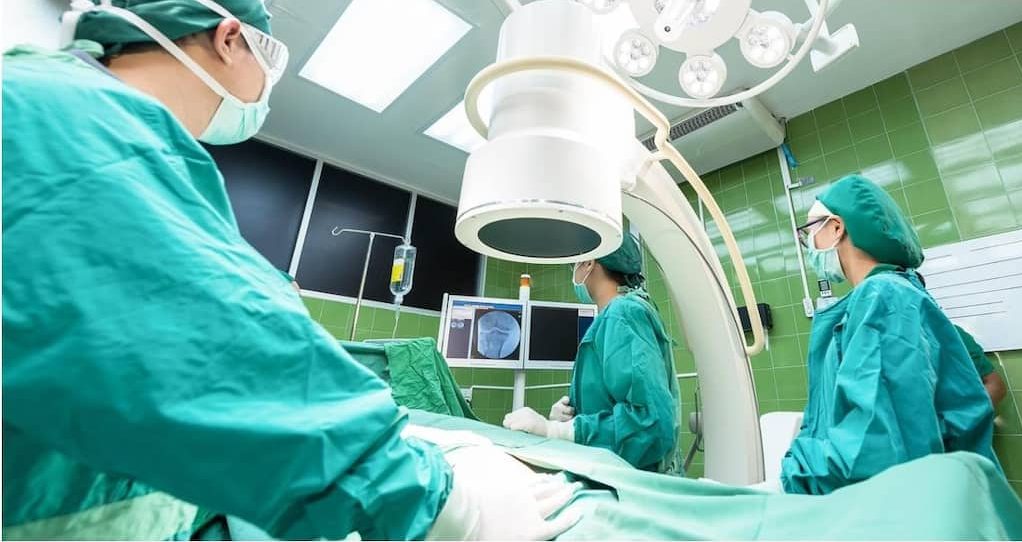
In sterile operating suites across premier tertiary care centres and global medical research institutes, modern vascular surgery is quietly witnessing a technological breakthrough that sounds like science fiction. Patients presenting with deeply compromised, ruptured, or malignant vascular structures—where major veins such as the inferior vena cava, femoral veins, or carotid conduits have been decimated by advanced tumours, massive trauma, or rampant sepsis—are waking up with entirely reconstructed blood highways crafted from bovine tissue. For decades, the sudden obliteration of a central deep vein meant imminent organ failure, irreversible limb ischemia, or fatal systemic hemorrhaging because surgeons had exhausted standard surgical workarounds. Today, cardiovascular and onco-vascular surgeons are taking the fibrous outer sheath of a bovine heart, known scientifically as the bovine pericardium, meticulously tailoring it into tubular cylindrical structures, and suturing it directly into the human circulatory system. This bio-engineering triumph not only restores instantaneous hemodynamic flow to starving organs, but it also demonstrates the astonishing adaptability of modern xenotransplantation science, offering a miraculous second lease on life to individuals previously classified as inoperable.
From Sacred Anatomy to Modern Medicine: How Bovine Pericardium Is Bio-Engineered
The idea of placing animal tissue into the human vascular tree sounds intuitively perilous, raising immediate alarms regarding acute immunological hyper-rejection or cross-species viral transmission. However, the raw biological material undergoes an extraordinary, multi-stage bio-cleansing transformation long before it ever enters a surgical suite. The pericardium is the durable, double-walled fibroserous sac that encloses the bovine heart, naturally engineered by nature to withstand continuous mechanical friction, multi-directional cardiac shear stresses, and high physiological pressures over years of animal life. To prepare it for human implantation, tissue bioengineers subject the harvested pericardial membranes to thorough decellularization, stripping away all foreign bovine cellular components, antigens, and DNA remnants while leaving behind an immaculate, inert extracellular matrix composed predominantly of high-tensile Type I collagen and structural elastin fibers. This skeletal matrix is subsequently stabilized through controlled glutaraldehyde cross-linking, which permanently deactivates cellular immunogenicity, prevents enzymatic tissue breakdown, and sterilizes the biological scaffold against infectious vectors. The resulting medical membrane is an exceptionally supple, suture-retentive, pliable biomaterial that human immune defenders do not recognize as a foreign biological invader, paving the way for seamless surgical deployment.
Why Synthetic Grafts Fail and Biological Scaffolds Triumph in Complex Vein Repair
To truly appreciate why bovine pericardium is celebrated as an orthopedic and vascular miracle, one must examine the severe anatomical limitations that have historically plagued human vein replacement. When surgeons need to bypass an occluded coronary artery or reconstruct a small vessel, they typically harvest an autologous vessel—such as the patient’s own saphenous leg vein or internal mammary artery. However, when large-calibre central veins are destroyed by invasive sarcomas, pelvic tumours, or extensive necrotizing infections, the human body offers no expendable natural vessel wide or long enough to substitute the missing segment. For decades, surgeons relied on synthetic prosthetic tubes manufactured from expanded polytetrafluoroethylene (ePTFE) or woven Dacron polyester. While synthetic grafts function acceptably in high-velocity, high-pressure arterial systems, they fail catastrophically inside venous architecture. Blood flow inside veins is slow, low-pressure, and prone to stasis; synthetic materials immediately trigger platelet aggregation, leading to disastrous acute thrombosis. Worse still, if a patient has an active infection, synthetic plastic grafts act as a permanent bacterial breeding ground, inevitably necessitating emergency removal. Bovine pericardial scaffolds solve this dilemma entirely by providing an exceptionally smooth, non-thrombogenic surface with unmatched intrinsic resistance to microbial colonization.
Inside the Operating Theatre: Reconstructing Major Veins in Critical Surgeries
The surgical implementation of a bovine pericardial vein is an exhibition of micro-vascular precision that demands consummate operative mastery. During complex oncological resections—such as removing aggressive retroperitoneal sarcomas or extensive renal cell carcinomas extending into the inferior vena cava—oncology teams cannot attain clear surgical margins without completely excising massive sections of the patient’s primary vascular trunk. In the past, resecting the vena cava left lower limb drainage permanently compromised or triggered multi-organ shock. Now, vascular surgeons unroll sterile, standardized sheets of bovine pericardial membrane onto the back table, measuring the precise luminal calibre required for the patient’s unique anatomy. Using ultra-fine polypropylene sutures, the surgical team wraps the flat biological patch around a sterile cylindrical dilator, crafting a custom-made autologous-like conduit tailored to the exact millimeter dimensions of the resected human vessel. The newly formed bovine vascular cylinder is then sutured into the human circulatory bed using continuous microscopic stitches under systemic anticoagulation. The moment surgical cross-clamps are released, blood surges through the cow-derived channel, restoring systemic circulation back to the right atrium of the heart without leaks, kinking, or structural collapse.
Beyond Rejection: How the Human Body Adopts Animal Tissue as Its Own
The ultimate marvel of bovine pericardial venous reconstruction lies not merely in its immediate mechanical integrity, but in the long-term cellular dialogue between the animal scaffold and human biology. Because the bio-engineered bovine matrix retains natural structural porosity without eliciting an aggressive white blood cell assault, it functions as an inviting architectural trellis for host tissue integration. Over weeks and months following surgical implantation, circulating human endothelial progenitor cells migrate across the lumen of the bovine conduit. These host cells adhere directly to the smooth collagen scaffolding, steadily proliferating into a glistening, endogenous monolayer of human endothelial cells. Essentially, the patient’s own body remodels the animal structure, “humanizing” the inner lining and turning it into a living, responsive blood vessel that produces natural nitric oxide to prevent blood clotting and regulate vascular tone. Furthermore, long-term radiographic follow-ups utilizing computed tomography venography reveal that these biological constructs resist aneurysmal dilatation, calcification, and graft shrinkage far better than conventional synthetic materials, allowing patients to gradually taper and discontinue aggressive blood-thinning medications.
The New Frontier in Advanced Vascular Care Across Modern Hospitals
As clinical evidence substantiating the durability and safety of bovine pericardial reconstruction continues to accumulate in international surgical registries, the technique is rapidly establishing itself as the gold standard across premier vascular institutions worldwide. Beyond large-calibre abdominal vein reconstruction, surgeons are now utilizing specialized bovine pericardial tubing for emergency carotid artery blowouts, infected hemodialysis arteriovenous fistulas, aortic root repair, and pediatric congenital heart reconstructions where growing tissues require biocompatible longevity. Access to advanced biological matrices is fundamentally rewriting the prognosis for thousands of critically ill patients who were once told their vascular diseases or deep venous tumours were technically untreatable. By uniting rigorous biophysical processing with surgical craftsmanship, medical science has transformed a humble membrane from a bovine heart into an instrument of physiological resurrection, bridging the boundary between biological species to restore human life at its most fragile precipice.


