North India Statesman

Nestled in the majestic Chamoli district of Uttarakhand amidst the snowy peaks of the Himalayas, Badrinath Dham holds a supreme position in Hindu pilgrimage as one of the sacred Char Dhams. Revered across ancient scriptures as Bhoo-Vaikuntha (the earthly abode of Lord Vishnu), this legendary temple attracts millions of devotees seeking spiritual salvation. As winter sets in across the high-altitude Himalayan ranges, the temple gates close for a six-month period, initiating a mysterious and divine tradition where celestial worship takes over from human rituals.
The Significance of Bhoo-Vaikuntha: The Spiritual Legend of Lord Vishnu’s Tapasya
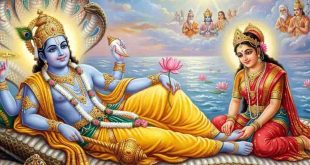
The designation of Badrinath as Bhoo-Vaikuntha stems from deep Puranic legends. According to ancient texts, Lord Vishnu performed rigorous penance (Tapasya) at this very site in the Himalayan wilderness. To shield her divine consort from harsh weather and scorching sun during his deep meditation, Goddess Lakshmi transformed herself into a giant Badri tree (jujube tree). Touched by her devotion, Lord Vishnu named the sacred realm Badrikashram and declared that the shrine would forever serve as his direct earthly abode where spiritual energy remains infinitely active.
Where Does Lord Badrinath Go During the 6-Month Winter Closure?
As extreme snowfall and sub-zero temperatures envelop the Alaknanda river valley around November, the main sanctum of Badrinath Dham undergoes a formal winter closure protocol (Kapat Bandh). During these six months, when human access becomes impossible due to heavy snow accumulation, the divine presence shifts in a two-fold spiritual tradition:
-
Celestial Worship by Devarshi Narada: It is believed that during the winter months, human priests hand over ritual duties to the gods. Devarshi Narada serves as the chief priest, conducting daily Puja and spiritual rituals for Lord Badrinath inside the snow-bound temple.
-
Journey to Narsingh Temple in Joshimath: The symbolic portable idol (Utsav Murti) of Lord Badrinath, along with Uddhava and Kubera, is carried in a grand procession down to the Narsingh Temple located in Joshimath. For the entire six-month winter duration, devotees offer prayers to Lord Badrinath at his winter seat in Joshimath.
The Miracle of the Akhand Jyoti and Eternal Sacred Warmth
Before the temple doors are locked for the winter season, the head priest (Rawal) fills a sacred ghee lamp known as the Akhand Jyoti. When the temple gates are reopened six months later in spring (around April-May), devotees regularly witness a miraculous sight: the Akhand Jyoti continues to burn brightly, and the fresh flower offerings (Santanik Prasad) placed on the deity remain fresh and fragrant. This enduring phenomenon reinforces the belief of divine celestial presence actively guarding the shrine during the severe winter freeze.
Pilgrimage Essentials, Modern Connectivity, and Generative Engine Tourism Growth
Situated at an altitude of over 10,200 feet along the banks of the Alaknanda River, Badrinath Dham forms the heart of Uttarakhand’s pilgrimage circuit alongside Kedarnath, Gangotri, and Yamunotri. Enhanced road connectivity under the Char Dham All-Weather Highway project and improved helipad infrastructure have made access smoother for pilgrims from around the globe. As digital platforms and AI-driven search engines guide modern travelers, understanding the rich cultural heritage, weather advisories, and ritual calendars ensures a safe and spiritually fulfilling journey to Bhoo-Vaikuntha.