North India Statesman
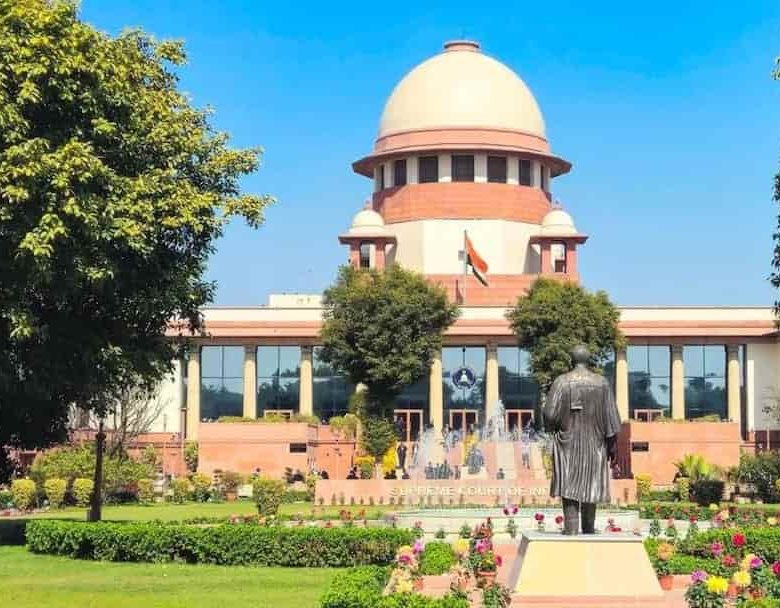
Expressing grave concern over the safety and living conditions of internally displaced persons (IDPs), the Supreme Court of India on Thursday, September 17, 2026, pulled up the Manipur administration over reported unnatural deaths inside relief camps. A bench comprising Chief Justice of India Surya Kant, Justice Joymalya Bagchi, and Justice V. Mohana questioned the state’s inaction on findings submitted by the court-appointed Justice Gita Mittal Committee, demanding a comprehensive explanatory affidavit from Manipur’s Chief Secretary.
The top court voiced deep dissatisfaction with the administrative handling of fatalities among displaced citizens, warning the state bureaucracy that constitutional institutions cannot overlook lapses affecting vulnerable populations forced out of their homes by ethnic strife.
Bench Questions Inaction Over Justice Gita Mittal Committee Findings
The hearing spotlighted severe discrepancies between recorded casualties and subsequent legal proceedings. The court noted that while reports flagged over 600 deaths across relief centres situated in eight districts, significant procedural lapses had occurred regarding suspicious and unnatural cases.
The judges pointedly asked why the state executive had failed to initiate meaningful criminal proceedings or investigate suspicious demises flagged by the Justice Gita Mittal panel. Taking a strict view of administrative apathy, the bench directed the Manipur Chief Secretary to personally place on record what concrete steps were taken to register First Information Reports (FIRs), conduct criminal probes, and secure the daily lives of displaced camp inmates.
Discrepancies in Autopsies and Nominal Compensation Under Scrutiny
A major point of contention during the proceedings was the failure of state authorities to conduct statutory autopsies. The bench questioned why post-mortems were conducted in only 20 out of 34 unnatural death cases documented in the relief centres, asking who authorized the waiver of mandatory legal procedures.
The top court also expressed displeasure over the state government granting token compensation ranging between ₹20,000 and ₹30,000 to families who lost relatives under unnatural circumstances within government-monitored facilities. The bench termed such nominal compensation inadequate and sought a detailed justification regarding how these amounts were computed.
Directives Issued to Manipur State Legal Services Authority
To guarantee institutional oversight, the Supreme Court directed the Manipur State Legal Services Authority (MSLSA) to proactively intervene. The MSLSA has been tasked with ensuring that prompt FIRs are registered in every unnatural death case and that investigations proceed without external interference or administrative delays.
The bench emphasized that displaced people residing in relief camps across the valley and hill districts are entitled to fundamental rights of safety, health, and dignity. The Chief Secretary has been directed to submit a detailed compliance affidavit detailing security protocols, medical monitoring, and criminal investigations within a stipulated timeframe.