North India Statesman
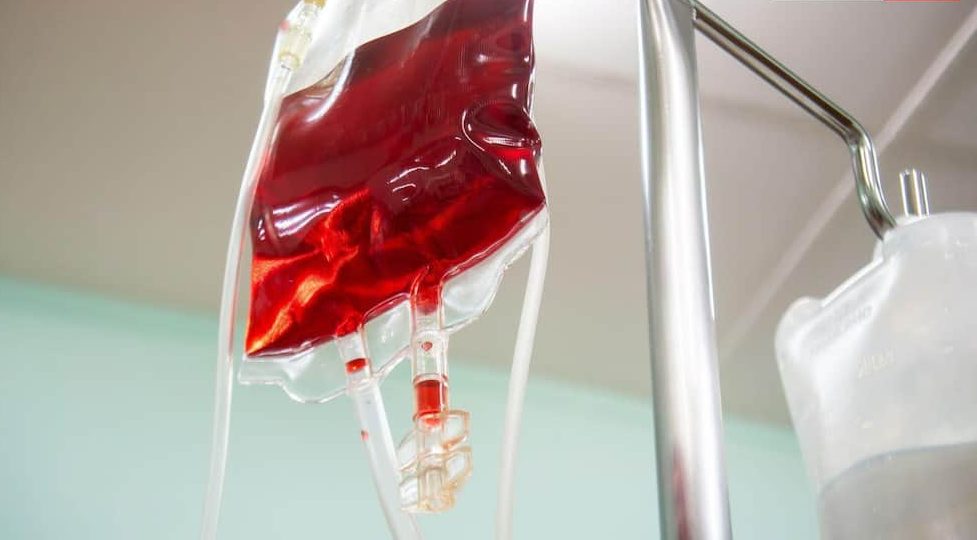
Administering an incompatible blood group is one of the most critical medical emergencies encountered in modern hospital care. When blood from the wrong group enters a patient’s circulation, the recipient’s immune system immediately classifies the donor red blood cells as dangerous foreign invaders. Instead of delivering life-sustaining oxygen, the transfused cells trigger a violent biochemical cascade medically classified as an acute hemolytic transfusion reaction (AHTR). Pre-existing antibodies circulating in the patient’s plasma rapidly bind to foreign surface antigens on the donor erythrocytes, initiating rapid cellular destruction directly within the vascular bed. This systematic destruction releases toxic cellular debris, free hemoglobin, and inflammatory mediators throughout the bloodstream, turning a routine clinical procedure into a race against multi-organ failure.
Immediate Warning Signs: How the Body Flags Incompatible Blood
The physiological consequences of a mismatch manifest with alarming speed, often within minutes after just a few milliliters of donor blood have crossed the venous catheter. A patient receiving mismatched blood typically develops intense chills, a spiking fever, profuse sweating, and sudden chest or lower back pain. Flank and lumbar discomfort serve as classic early red flags, caused by microvascular spasms and the sudden overload of ruptured cellular contents straining the renal filtration network. Simultaneously, the patient may struggle to breathe, complain of profound dizziness, or express an overwhelming sense of impending doom. As free hemoglobin floods the vascular compartment and binds nitric oxide, systemic vasodilation causes arterial blood pressure to plunge dramatically, leading to pale extremities, weak peripheral pulses, and rapid heart rhythms.
The Destructive Path: How Hemolysis Damages the Kidneys and Heart
The systemic fallout of mismatched blood quickly extends from the vascular system to vital organs, placing immense strain on the renal and cardiovascular systems. As donor red blood cells break apart, free hemoglobin spills uncontrollably into the blood plasma, exceeding the binding capacity of protective proteins like haptoglobin. The excess hemoglobin filters directly into the delicate nephrons of the kidneys, forming obstructing casts, inducing acute tubular necrosis, and turning the patient’s urine a characteristic dark, reddish-brown color. Left unchecked, this toxic accumulation leads to irreversible acute kidney shutdown, necessitating urgent hemodialysis. Concurrently, cellular debris activates widespread coagulation cascades, triggering disseminated intravascular coagulation (DIC). In this paradoxical state, micro-clots choke blood supply to the heart, brain, and lungs, while the exhaustion of clotting factors causes catastrophic, uncontrolled internal hemorrhaging throughout vital tissues.
Emergency Hospital Protocols: What Doctors Do When Reactions Occur
The absolute first step in treating an acute transfusion reaction is immediate and total cessation of the transfusion, leaving the intravenous line open with a fresh infusion of normal saline. Clinical teams instantly transition into high-alert resuscitation mode, stabilizing airways, administering supplemental oxygen, and assessing circulatory stability. High-volume intravenous fluids are pushed rapidly to restore falling blood pressure, preserve central venous pressure, and maintain high renal blood flow to flush toxic heme pigments out of the renal tubules before tubular necrosis takes hold. Doctors continuously check urinary output, blood pH, electrolyte balances, and coagulation markers in an intensive care setting. In severe scenarios where shock or acute lung injury develops, critical care teams deploy vasopressors, intravenous diuretics, targeted anti-allergy medications, and continuous renal replacement therapy to keep the patient alive.
Standard Safety Checklists: Bedside Precautions That Prevent Fatal Errors
Because hemolytic transfusion reactions stem almost entirely from human administrative mistakes, stringent clinical protocols exist to eliminate mismatching before the needle ever enters a patient’s skin. Every transfusion requires two-step laboratory cross-matching, including ABO typing and Rh factor verification, along with rigorous screening for rare atypical antibodies. At the bedside, two independent healthcare professionals must perform a two-person verification process, cross-checking the patient’s full legal name, unique hospital identification number, blood bag unit label, and expiration date against the official blood bank documentation. Healthcare providers maintain constant visual monitoring throughout the initial fifteen minutes of infusion, taking baseline vital signs and instructing patients to report even minor sensations of warmth, itching, backache, or anxiety immediately.