North India Statesman
[ad_1]
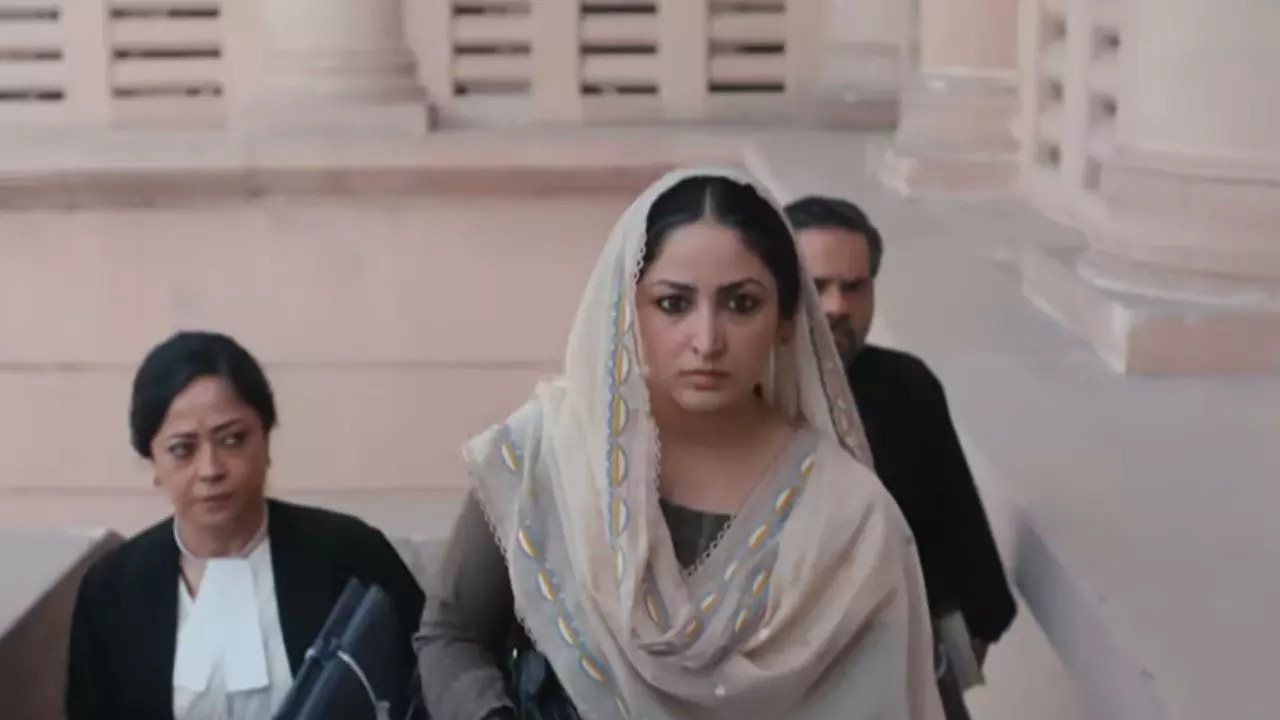
News India Live, Digital Desk: Yami Gautam and Emraan Hashmi’s upcoming film ‘Haq’ is embroiled in a major legal dispute even before its release. The film is based on one of India’s most famous and historical legal cases, the Shah Bano case of 1985. Now the legal heirs of Shah Bano Begum have filed a petition in the Indore High Court demanding a stay on the release of the film, leaving the future of the film in limbo.
Why did the family file the case?
Advocate Tausif Warsi, appearing on behalf of Shah Bano’s family, says that the filmmakers did not take any permission from the family before putting this story on screen. Mainly two major objections have been raised in the petition:
- Use of story without permission: The family alleges that to make a film on a person’s personal life, it is necessary to take the written consent of his family, but the makers of ‘Haq’ ignored this rule.
- Fear of hurting religious sentiments: The petition also states that they fear that Sharia law may be misrepresented in the film, which may hurt the religious sentiments of the Muslim community.
In this case, a legal notice has been sent to the film’s director Suparn Verma, production house Junglee Pictures, Baweja Studios and the Central Board of Film Certification (Censor Board).
What is the story of the film ‘Haq’?
‘Haq’ is a courtroom drama film, in which Yami Gautam plays the character of a Muslim woman (Shazia Bano), who fights a long battle against society and law to get maintenance from her husband after divorce. Emraan Hashmi plays an interesting dual role in the film – he is Shazia’s husband and also a lawyer who fights the case against his own wife in the court.
Commenting on this controversy, the film’s actor Emraan Hashmi has said that the film has been made with a very balanced perspective and it does not tarnish the image of any community. He said, “This is a film made for women’s respect and equal rights.” He also assured that if the film had hurt the sentiments of any community, he himself would not have been a part of it.
What was the historical Shah Bano case?
This case dates back to 1978, when 62-year-old Shah Bano, a resident of Indore, was given triple talaq by her husband Mohammad Ahmed Khan after 40 years of marriage. When Shah Bano, the mother of five children, was left with no means to support herself and her children, she approached the court to get maintenance from her husband.
After several years of legal battle, in 1985 the Supreme Court gave a historic verdict in favor of Shah Bano under Section 125 of the Code of Criminal Procedure (CrPC). The court said that this section applies to every citizen of the country, irrespective of religion. This decision sparked a major political and social debate in the country. Many conservative Muslim organizations considered it an interference in Muslim personal law and strongly opposed it.
Due to increasing political pressure, the then Rajiv Gandhi government effectively overturned the Supreme Court decision by enacting a new law called the Muslim Women (Protection of Rights on Divorce) Act in 1986. This case is still considered one of the most important case studies on women’s rights, secularism and politics in India.