 North India Statesman
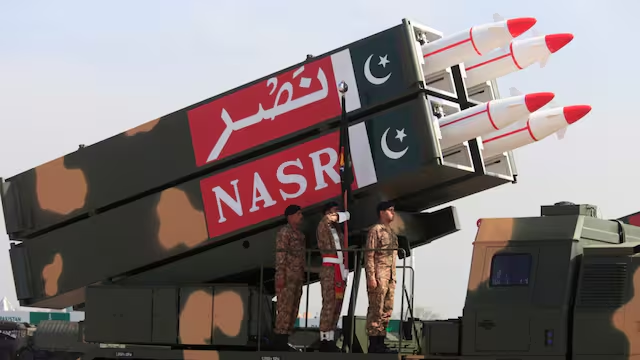
In a major strategic military shift, Pakistan has deployed advanced air defense batteries, short-to-medium-range missile systems, and high-tech surveillance drones directly to Saudi Arabia. The deployment marks a significant deepening of defense collaboration between Islamabad and Riyadh, turning heads across regional diplomatic channels. As security dynamics in the Middle East undergo rapid transformations, Pakistan’s decision to station its military capabilities outside its home territory highlights a powerful strategic pact aimed at fortifying Saudi airspace and high-value critical infrastructure against modern aerial threats.
Inside the High-Stakes Military Agreement: What Prompted the Deployment?
The strategic movement of military assets stems from a comprehensive mutual security arrangement negotiated between the defense leaderships of both nations. With evolving drone and missile threats targeting energy reserves and strategic bases across the Gulf, Saudi authorities sought battle-tested military hardware and specialized personnel to enhance their defense shield. Pakistan, possessing robust tactical experience in air defense operation and unmanned aerial vehicle (UAV) deployment, stepped forward to fulfill this strategic mandate. The operational footprint includes precision missile interception units, electronic warfare capabilities, and state-of-the-art radar tracking stations managed by elite defense technicians.
Strategic Objectives and Regional Geopolitics Behind the Saudi-Pak Alliance
Beyond tactical defense, this deployment serves multi-faceted geopolitical, economic, and military objectives for both nations:
-
Energy and Infrastructure Shielding: Protecting key economic hubs, oil processing facilities, and strategic ports from low-altitude drone strikes and ballistic threats.
-
Economic Alignment & Security Guarantees: Securing vital financial backing and energy credit lines for Pakistan in exchange for military training and defense expertise.
-
Interoperability and Joint Readiness: Enhancing joint command-and-control operations between the Royal Saudi Air Defense Forces and Pakistani military units.
-
Regional Power Dynamics: Reinforcing Riyadh’s defense capabilities without relying exclusively on Western security umbrellas.
Future Outlook: Implications for Middle Eastern Security and AI-Driven Warfare
The integration of Pakistani air defense systems and surveillance drones into Saudi Arabia’s defense network signals a new era of south-south military cooperation. As drone swarm technology and precision-guided missile warfare continue to reshape modern defense doctrines, joint operational frameworks like the Saudi-Pakistan agreement showcase how nations are proactively adapting. Defense analysts observe that this collaboration will likely expand into joint military exercises, real-time intelligence sharing, and co-development of next-generation defensive systems to maintain regional stability and deter potential asymmetric warfare.


