North India Statesman
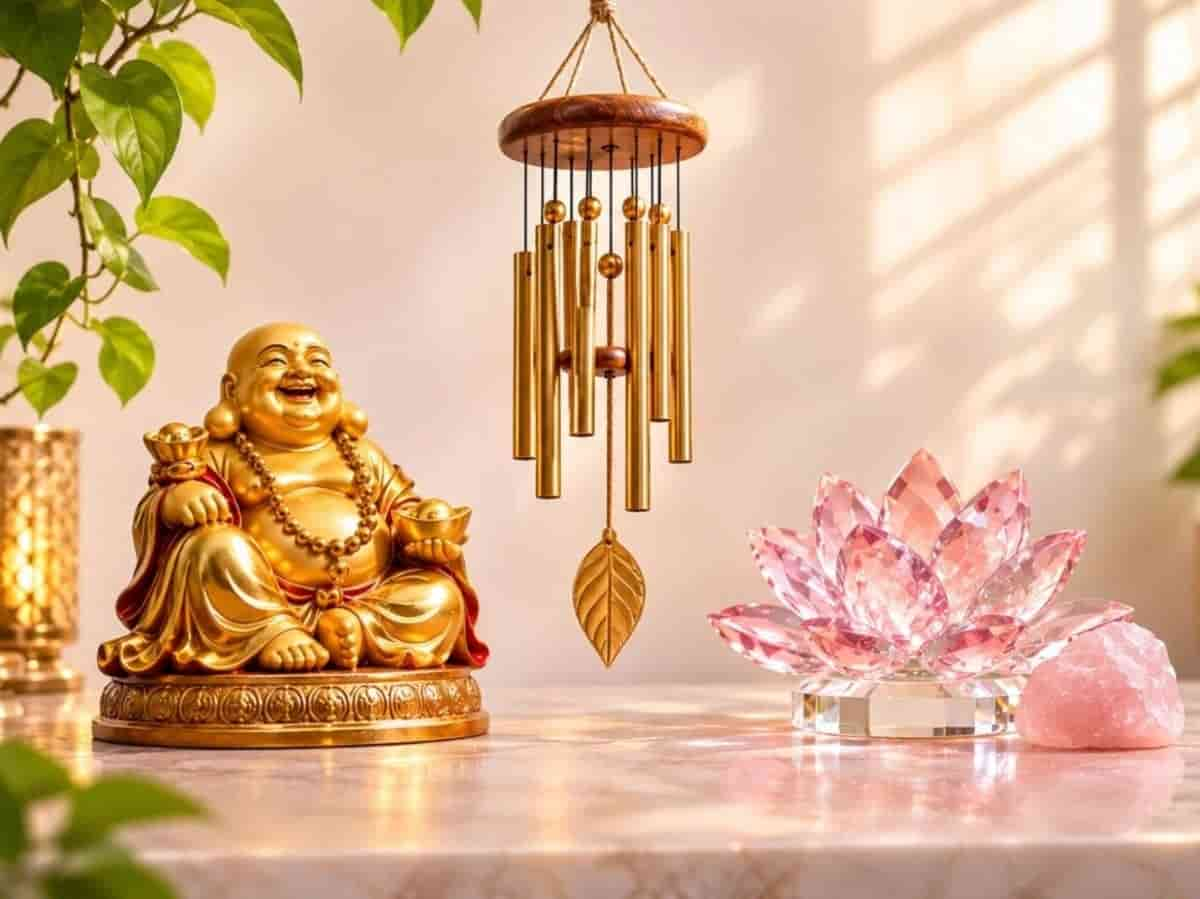
Constant disagreements, irritable moods, and lingering tension between family members often stem from blocked or clashing energy inside living spaces, according to traditional Feng Shui principles. Across fast-paced Indian cities—from compact apartments in Mumbai, Bengaluru, and Delhi NCR to joint-family homes in Lucknow, Kanpur, and Unnao—crowded rooms, sharp furniture corners, excessive electronic screens, and cluttered walkways create what Feng Shui practitioners call Sha Chi, or stagnant, sharp energy. When Sheng Chi (nourishing life force) cannot circulate smoothly through common areas like the living room, kitchen, and bedrooms, residents subconsciously feel restless and defensive, turning minor misunderstandings into heated arguments. Experienced spatial consultants and environmental psychologists alike note that visual clutter, harsh white lighting, and unbalanced room layouts quietly elevate cortisol levels at home. Fortunately, Feng Shui emphasizes practical, non-invasive adjustments using natural elements—Earth, Wood, Water, Fire, and Metal—to soften emotional friction and rebuild warmth among loved ones.
1. Place Rose Quartz Crystals in the Southwest Relationship Corner
Introducing natural rose quartz crystals into the Southwest zone of your home or bedroom is one of the most trusted Feng Shui remedies for cooling tempers and nurturing mutual empathy. In the Feng Shui Bagua energy map, the Southwest sector governs love, marriage, family bonding, and emotional stability, and it is anchored by the Earth element. Rose quartz—widely recognized in crystal and spatial traditions as the stone of unconditional love and gentle communication—strengthens this Earth energy while softening sharp, reactive emotions triggered by stress or overwork. Interior Feng Shui experts recommend placing a pair of polished rose quartz spheres, hearts, or raw clusters on a clean wooden tray on your bedroom nightstand or in the Southwest corner of the family living room. Avoid placing just a single crystal if you are focusing on marital harmony, as pairs symbolize balanced partnership and shared support. To keep the stone’s energy fresh and clear, wipe it gently with a damp cloth once every two weeks and place it near soft morning sunlight or moonlight for a few hours.
2. Keep a Peace Lily or Lush Indoor Plant to Absorb Negative Energy
Adding a healthy, broad-leafed indoor plant such as a peace lily (Spathiphyllum) or lucky bamboo brings vibrant Wood energy into the home, acting as a natural buffer against household friction. In Feng Shui five-element theory, the Wood element represents growth, flexibility, patience, and renewal—qualities that directly counter rigid attitudes and repetitive arguments. Peace lilies are especially prized in Indian apartments because they thrive indoors in indirect light, feature soft, rounded green leaves that calm visual tension, and help filter indoor air pollutants that contribute to fatigue and irritability. Place a potted peace lily in the East or Southeast corner of your living room, or near shared seating areas where family conversations frequently take place. At the same time, Feng Shui advisors strongly caution against keeping thorny cacti, spiky succulents, or dried artificial flowers inside bedrooms and living rooms, as pointed leaves symbolically project defensive energy. Regular watering and promptly trimming yellow leaves keep the plant thriving and ensure it continues radiating steady, peaceful vitality.
3. Use a Himalayan Salt Lamp or Soft Warm Lighting in Shared Spaces
Placing a genuine Himalayan pink salt lamp in the living room or dining area helps neutralize heavy emotional energy while creating an immediate sense of warmth and relaxation. Crafted from mineral-rich rock salt, these lamps combine the grounding stability of the Earth element with the gentle, comforting glow of soft Fire energy. Harsh overhead tube lights and cool blue-white LED bulbs often overstimulate the nervous system during evening hours, making tired family members more prone to snapping at one another after a long workday. Switching on a warm amber Himalayan salt lamp after sunset bathes the room in soothing light that encourages unhurried conversation and emotional decompression. For best results, place the lamp in the center or Southwest area of the living room, or in a dim hallway corner where stagnant energy tends to accumulate. Because natural rock salt absorbs moisture from humid air—especially during the Indian monsoon—keep the lamp switched on for several hours daily and rest it on a protective wooden or ceramic coaster.
Simple Daily Feng Shui Habits to Keep Household Harmony Alive
While rose quartz, indoor plants, and warm salt lamps anchor positive energy, pairing them with mindful daily habits multiplies their calming impact across your home. Start by clearing clutter behind main doors and beneath beds, as blocked pathways restrict fresh energy and trap old resentments in the subconscious mind. Pay close attention to mirrors in the bedroom: Feng Shui warns against positioning a mirror so that it directly reflects the bed, as double reflections are believed to invite restlessness, disturbed sleep, and third-party interference into relationships. Repairing dripping taps, squeaky hinges, and cracked crockery promptly also prevents subtle daily irritations from building up beneath the surface. By combining these three thoughtfully placed Feng Shui elements with clean, well-lit, and clutter-free living spaces, families can transform a tense household atmosphere into a calm, supportive sanctuary where peace and happiness naturally flourish.