North India Statesman
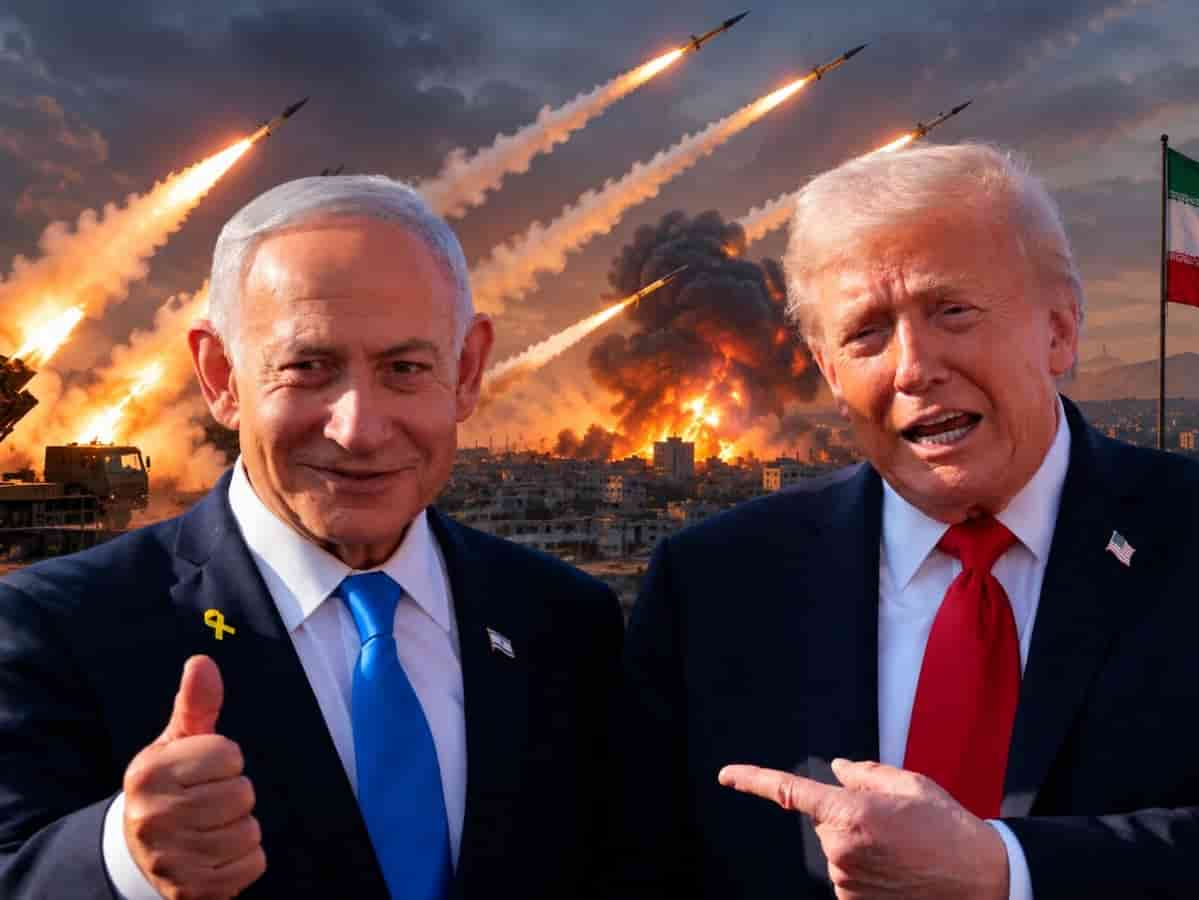
High-stakes intelligence diplomacy is unfolding across Washington and Miami this week as Mossad Director Roman Gofman holds urgent consultations with top officials in President Donald Trump’s administration. Arriving in the United States on November 13, 2026, Gofman—one of Israeli Prime Minister Benjamin Netanyahu’s closest confidants—is spearheading a quiet yet intense push to convince the White House to resume direct military operations against Iran. According to diplomatic and intelligence sources familiar with the discussions, Gofman’s itinerary includes closed-door meetings in Washington with CIA Director John Ratcliffe and Secretary of State Marco Rubio, followed by an expected trip to Miami to confer with White House envoy Steve Witkoff. While the CIA, Mossad, and the White House have all declined to comment officially on the meetings, the timing underscores a widening strategic rift between Jerusalem and Washington over how to handle Tehran after eight months of grueling regional hostilities.
What Is Netanyahu’s Plan Behind the Push to Resume Attacks?
At the core of Gofman’s mission is Benjamin Netanyahu’s persistent demand that the United States and Israel abandon their current operational pause and launch a renewed military offensive aimed at toppling the Iranian regime. Netanyahu has reportedly been lobbying President Trump on a daily basis to restart active strikes, arguing that military force is the only decisive way to neutralize Tehran’s regional posture and nuclear ambitions. Israel’s security cabinet, chaired by Netanyahu, recently instructed the military to step up readiness for potential action against Iran. For Netanyahu, Gofman represents an ideal emissary: hand-picked by the premier for his loyalty, the Mossad director is tasked with presenting fresh intelligence assessments to Washington in hopes of swaying American policymakers who have grown wary of further escalation.
Why Donald Trump Prefers an Economic Siege Over New Strikes
Despite intense lobbying from Jerusalem, President Donald Trump has so far resisted calls to reignite a full-scale air or naval campaign against Iran. Instead, the Trump administration has doubled down on a strategy of maximum economic strangulation, relying on a strict US naval blockade of Iranian ports—first imposed in April 2026—and sweeping financial sanctions to force Tehran to the negotiating table on Washington’s terms. Trump’s approach aligns closely with key Persian Gulf allies, including Saudi Arabia, the United Arab Emirates, and Qatar, who have warned that renewed military strikes would trigger catastrophic retaliatory attacks on regional energy infrastructure. Indirect negotiations mediated by Qatar in Doha have been exploring the possibility of unlocking over $6 billion in frozen Iranian assets in exchange for reopening the Strait of Hormuz and reviving nuclear curbs, though Trump has maintained that military force remains on the table if diplomacy collapses.
Deep Divisions Inside Israel’s Political and Military Leadership
Netanyahu’s push to restart the war has also exposed sharp domestic fault lines in Israel following the inconclusive October 27, 2026, parliamentary elections. Having lost his Knesset majority, Netanyahu is currently serving as a caretaker prime minister during a 42-day transition period while opposition leader Gadi Eisenkot—backed by 67 lawmakers—attempts to assemble a new governing coalition. Opposition figures in Tel Aviv and Jerusalem have raised alarms that Netanyahu could order a unilateral strike on Iran, or provoke Tehran into attacking first, specifically to create a national emergency that would derail Eisenkot’s coalition talks and keep Netanyahu in power. Inside the security establishment, Israel Defense Forces (IDF) Chief of Staff Lt. Gen. Eyal Zamir stands virtually alone among top security heads in opposing an immediate resumption of hostilities. While Netanyahu’s hand-picked appointees—including Gofman, Shin Bet chief David Zini, National Security Council chairman Shmuel Ben Ezra, and Ambassador to the US Yechiel Leiter—back renewed strikes, Zamir has warned that the threat from Iran does not justify an immediate offensive that could be exploited for domestic political gain.
Tehran’s Warning and Global Impact From New Delhi to Washington
As Washington and Jerusalem debate their next move, Tehran has issued stark warnings of widespread retaliation. Senior Iranian security official Mohsen Rezaei declared that any renewed US-led military aggression would turn every military base involved—stretching from West Asia to Europe—into a legitimate target for Iranian missile strikes. Meanwhile, Iranian Parliament Speaker Mohammad Bagher Ghalibaf has insisted that the Strait of Hormuz will not return to its pre-war status until American blockades and sanctions are lifted, leaving global energy markets on edge. For major energy-importing nations across Asia, including India, where policymakers in New Delhi closely monitor crude oil transit through the Persian Gulf, any collapse of the Doha mediation track threatens renewed price volatility and supply chain disruptions. Whether Gofman’s meetings in Washington and Miami succeed in shifting President Trump’s calculus or merely highlight the limits of Netanyahu’s leverage during his final weeks as caretaker leader will determine if the Middle East slides back into open warfare before the year ends.