North India Statesman
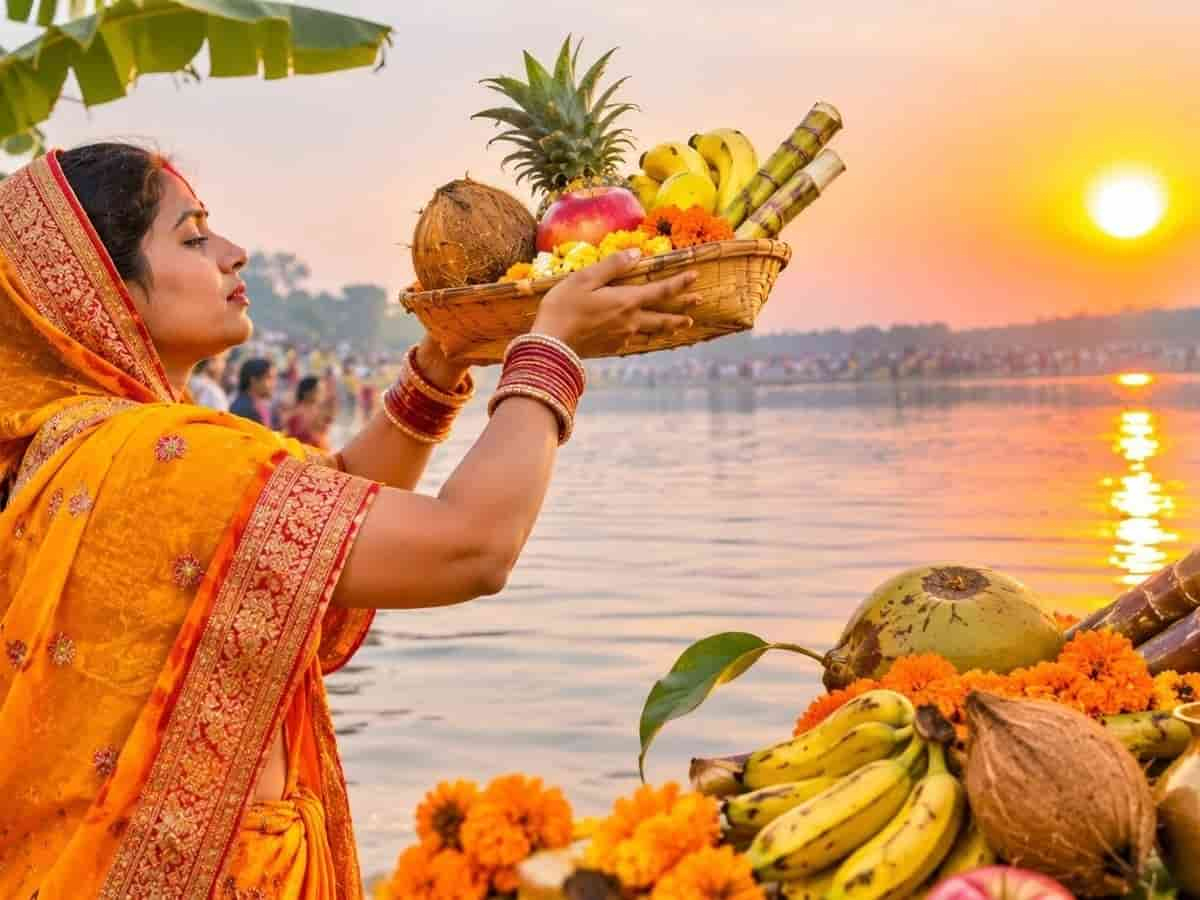
Chhath Puja 2026 is being observed over four sacred days from Friday, November 13, to Monday, November 16, 2026, with Sandhya Arghya to the setting sun on Sunday, November 15, and Usha Arghya to the rising sun on Monday, November 16. Celebrated six days after Diwali from Kartik Shukla Chaturthi to Saptami, this ancient Vedic festival honours Surya Dev (the Sun God) and Chhathi Maiya for family health, prosperity, and longevity. From bustling riverbanks in Patna, Gaya, and Ranchi to community ghats across Lucknow, Unnao, Kanpur, Varanasi, Gorakhpur, Prayagraj, and Delhi NCR, millions of devotees (vratis) have stepped into one of Hinduism’s most disciplined and eco-conscious observances. Unlike other festivals that focus solely on sunrise, Chhath uniquely reveres both the setting sun and the rising sun, symbolizing gratitude for every cycle of life and nature.
Day 1: Nahay Khay Rituals on Friday, November 13
The four-day Chhath Mahaparva began on Friday, November 13, 2026, with Nahay Khay, a day centered on physical purification and mental readiness. Devotees take an early morning holy dip in rivers, ponds, or clean water at home before thoroughly scrubbing and purifying their kitchens and living spaces. Once the cleansing is complete, the vrati prepares a single pure satvik meal, traditionally cooked on an earthen stove using mango wood and bronze or clay utensils. This sacred meal features bottle gourd (lauki) curry, steamed rice (bhaat), and chana dal, prepared strictly without onion, garlic, or regular table salt—only rock salt (sendha namak) is permitted. Family members partake in this meal only after the vrati eats, marking a collective commitment to purity for the next three days.
Day 2: Lohanda and Kharna on Saturday, November 14
Saturday, November 14, 2026, marks Lohanda and Kharna on Kartik Shukla Panchami, a crucial spiritual milestone that initiates the hardest phase of the festival. Throughout the day, devotees observe a strict fast without consuming even a drop of water. After sunset, following evening prayers to Chhathi Maiya and the Sun God, devotees break their daytime fast by eating the sacred Kharna prasad—jaggery rice pudding (gur ki kheer), whole-wheat rotis brushed with pure ghee, and ripe bananas. Households maintain complete silence while the vrati eats, as traditional belief holds that loud noises disturb the sanctity of the offering. Immediately after finishing Kharna prasad, devotees commence the arduous 36-hour nirjala vrat, abstaining completely from food and water until sunrise on the fourth day.
Day 3: Sandhya Arghya to the Setting Sun on November 15
Sunday, November 15, 2026, brings Sandhya Arghya on Kartik Shukla Shashthi, the main day of Chhath Puja. According to Drik Panchang calculations, Kartik Shukla Shashthi tithi begins at 11:23 PM on November 14 and continues until 2:00 AM on November 16. From morning onward, families prepare traditional offerings led by thekua—a crisp sweet made from whole wheat flour, jaggery, and ghee—alongside kasar rice laddoos. These offerings are arranged inside woven bamboo winnowing trays (soop) and large baskets (daura) alongside seasonal fruits such as bananas, sweet lime (gaghar nimbu), coconuts, water chestnuts (singhara), and whole stalks of sugarcane, ginger, and turmeric with their roots intact. In the late afternoon, families walk barefoot to local riverbanks, canals, or decorated neighborhood ponds singing folk melodies of Chhathi Maiya. Standing waist-deep in water, devotees face west and offer Arghya—a slow stream of raw cow’s milk and clean water poured from a copper or brass vessel—to the setting sun. Later at night, many families also perform Kosi Bharai, lighting earthen lamps under a canopy of sugarcane stalks in their courtyards.
Day 4: Usha Arghya and Parana on Monday, November 16
The festival culminates on Monday, November 16, 2026, with Usha Arghya and Parana on Kartik Shukla Saptami. Long before dawn breaks, devotees and their families return to the ghats carrying the same bamboo soops and dauras, stepping into the chilly November water to await the first rays of morning light. As the sun rises over the horizon, devotees offer the final morning Arghya of milk and water, praying for universal well-being, prosperity, and the protection of their children. Following the sunrise ritual, devotees offer prayers at the ghat, apply sacred orange vermilion (sindoor), and distribute prasad among neighbors and visitors. Finally, the vrati concludes the 36-hour waterless fast through Parana, traditionally tasting a small piece of raw ginger, water, and thekua prasad before returning to regular meals.
City-Wise Sandhya and Usha Arghya Timings Across India
Because Chhath Arghya is tied directly to local astronomical sunset and sunrise, exact timings vary across Indian cities depending on longitude. According to Drik Panchang, sunset for Sandhya Arghya on November 15 and sunrise for Usha Arghya on November 16 follow specific regional schedules: in Patna, Sandhya Arghya takes place at 5:01 PM and Usha Arghya at 6:07 AM; in Lucknow and nearby Central Uttar Pradesh districts such as Unnao and Kanpur, sunset is at 5:16 PM and sunrise at 6:26 AM; in Varanasi, sunset is at 5:10 PM and sunrise at 6:16 AM; in Gorakhpur, sunset is at 5:06 PM and sunrise at 6:17 AM; in Prayagraj, sunset is at 5:14 PM and sunrise at 6:20 AM; in New Delhi, sunset is at 5:28 PM and sunrise at 6:44 AM; in Kolkata, sunset is at 4:53 PM and sunrise at 5:50 AM; and in Mumbai, sunset is at 6:00 PM and sunrise at 6:46 AM. Devotees are advised to reach their local ghats at least 30 to 45 minutes before the scheduled sunset or sunrise window to secure space safely along the water’s edge.
Essential Puja Rules and Ghat Safety Tips for Devotees
Observing Chhath Puja requires strict adherence to cleanliness, simplicity, and environmental respect, which is why plastic items and synthetic materials are avoided throughout the rituals. Devotees wear clean, unstitched or freshly washed traditional attire—typically yellow, red, or orange cotton or silk sarees and dhotis—while preparing prasad in a separate, sanitized kitchen space. Local administrations across Uttar Pradesh, Bihar, and Delhi NCR have arranged barricading, lighting, divers, and medical camps at major ghats to manage heavy footfall safely. Families visiting riverbanks with children and elderly members should stay within marked shallow zones, follow crowd-control directions, and keep water bodies clean by avoiding non-biodegradable waste during this deeply revered celebration of nature and gratitude.