North India Statesman
[ad_1]
The conflict between Iran and Israel is increasing. There is speculation that America may also join it in the coming days. If the war increases, it will directly affect business and some things can be expensive in India too. Let us know what India imports the most from Iran and what will be affected the most if business is interrupted.
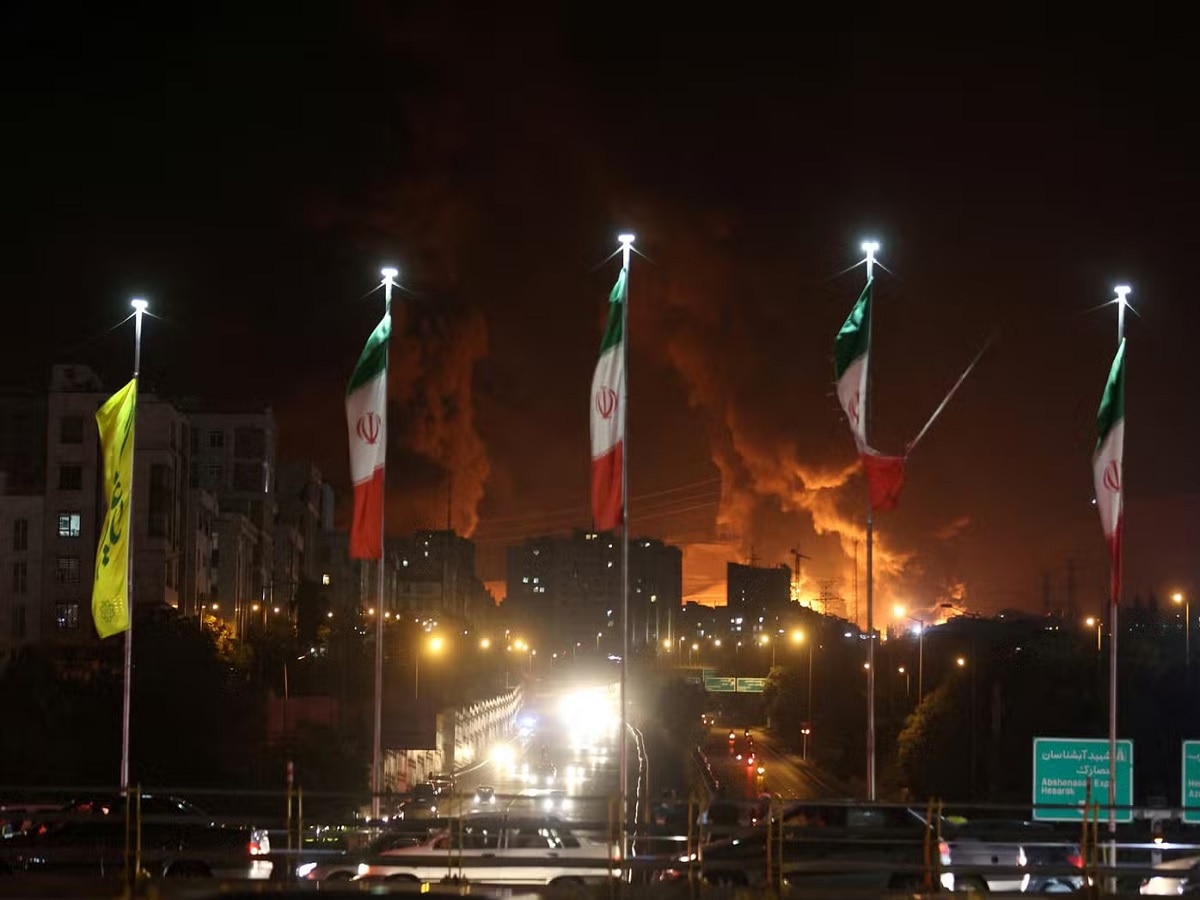
If the war increases, it is almost certain to block the hormuz strait by Iran. Hormuz is important for the drainage India’s energy imports and the supply of oil and gas worldwide. Chok Point in Hormuz Strait has increased the risk for shipping companies. This may increase the cost of transportation of and going into the area.
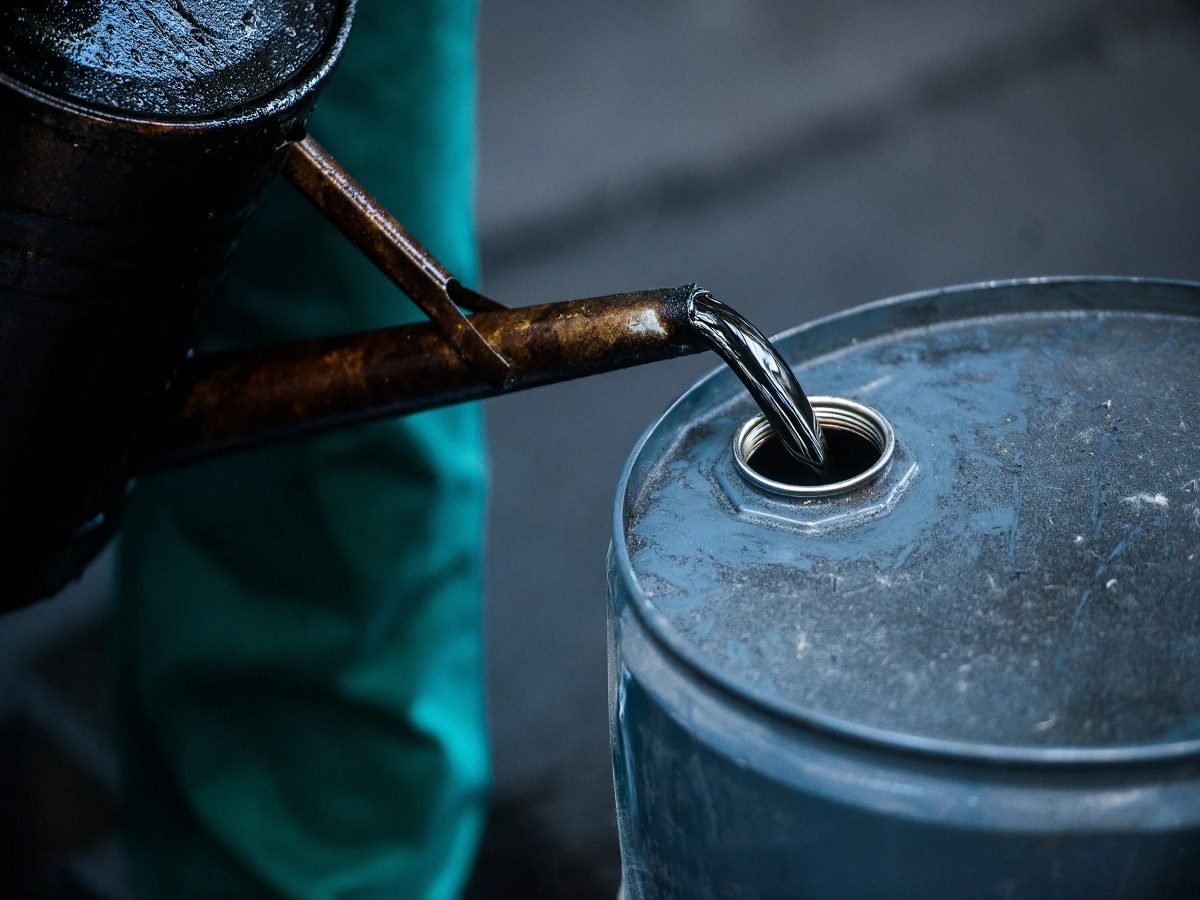
If trade between India and Iran stops or interrupted, it will have the biggest impact on oil prices. This will make transportation expensive and can also increase the prices of things of everyday needs. Prices of dried fruits, chemicals, plastic and construction materials may also increase. India depends on the Gulf of more than 80 percent of the Persia for import of its crude oil.
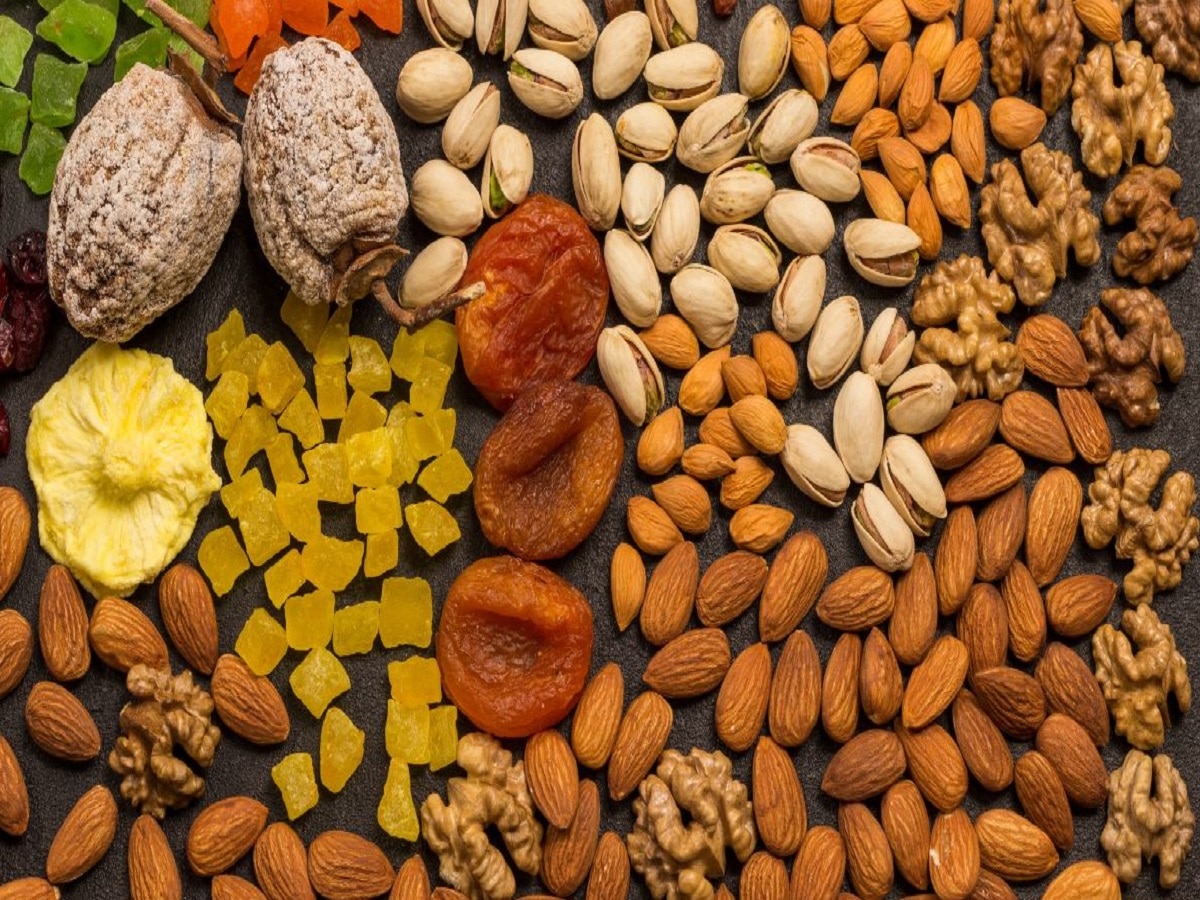
Apart from oil and gas, India also imports dry fruits and dry fruits like cashew, pistachio, almonds and saffron from Iran. If the business stops, these supply may decrease.
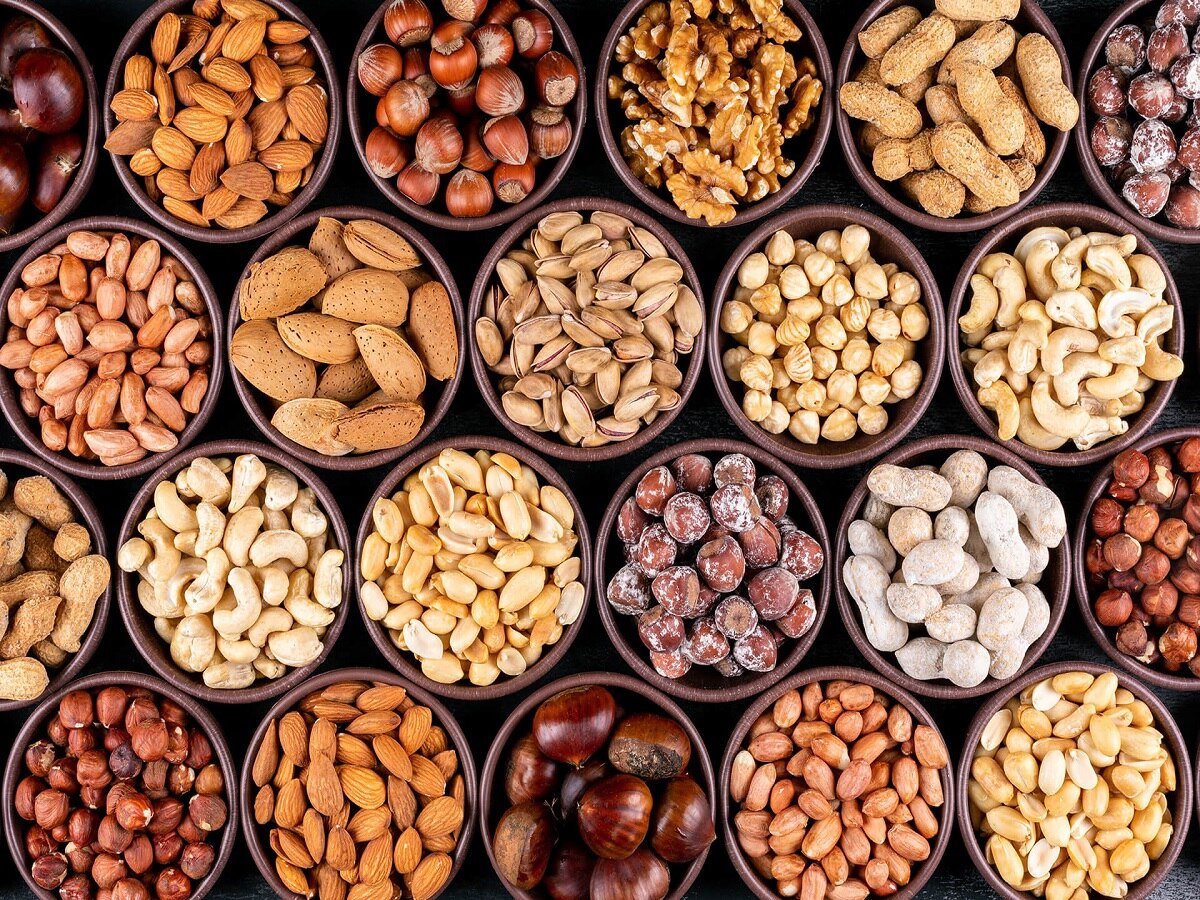
Trade has declined with Iran due to US sanctions in the last few years, but India still imports large amounts of dry fruits, fertilizers and urea from Iran. If the war broke, it will directly affect the common man of India.
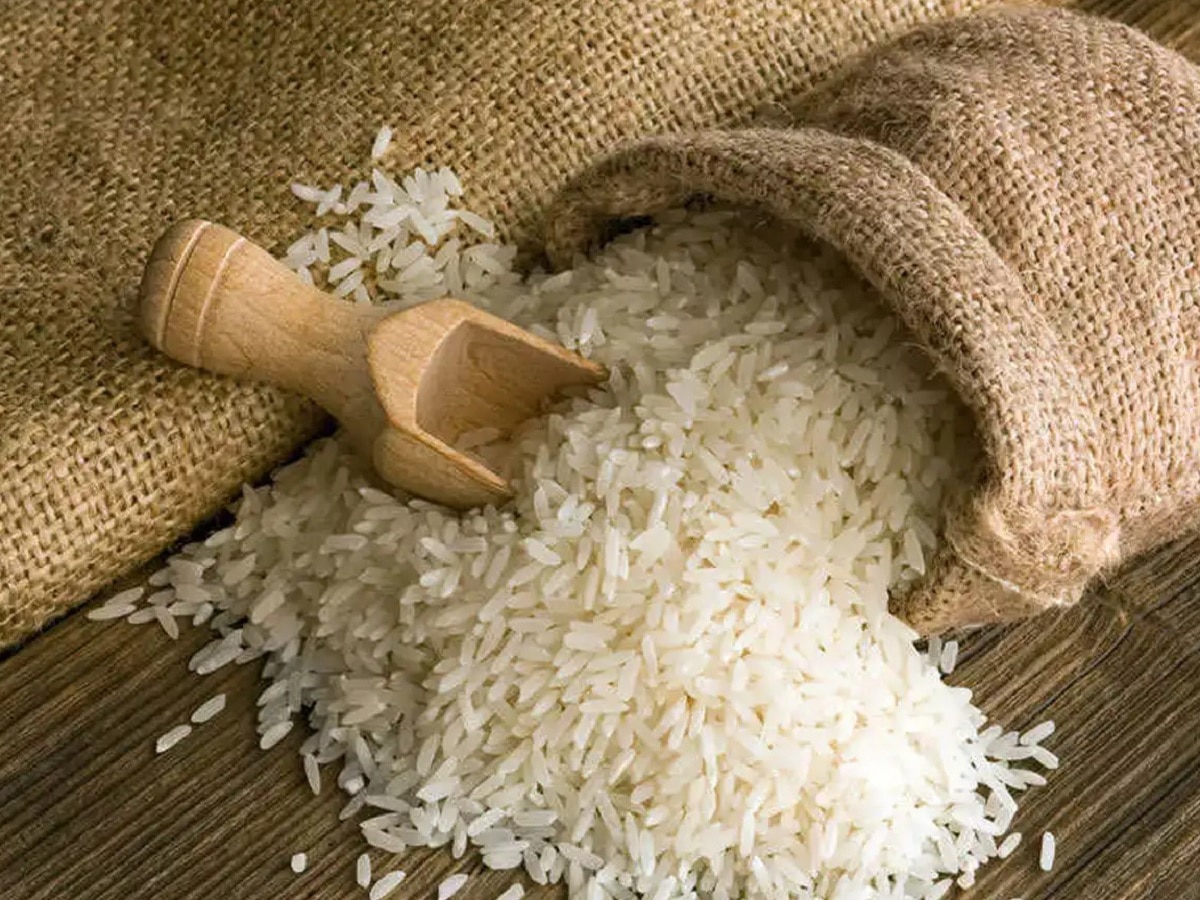
The increasing struggle between Iran and Israel is also affecting India’s basmati rice trade. Exporters from Punjab and Haryana have suffered heavy losses. Iran is the largest buyer of Indian Basmati. Iran bought more than 8.55 lakh metric tonnes of basmati rice from India in 2024-25, which costs around Rs 6,374 crore.
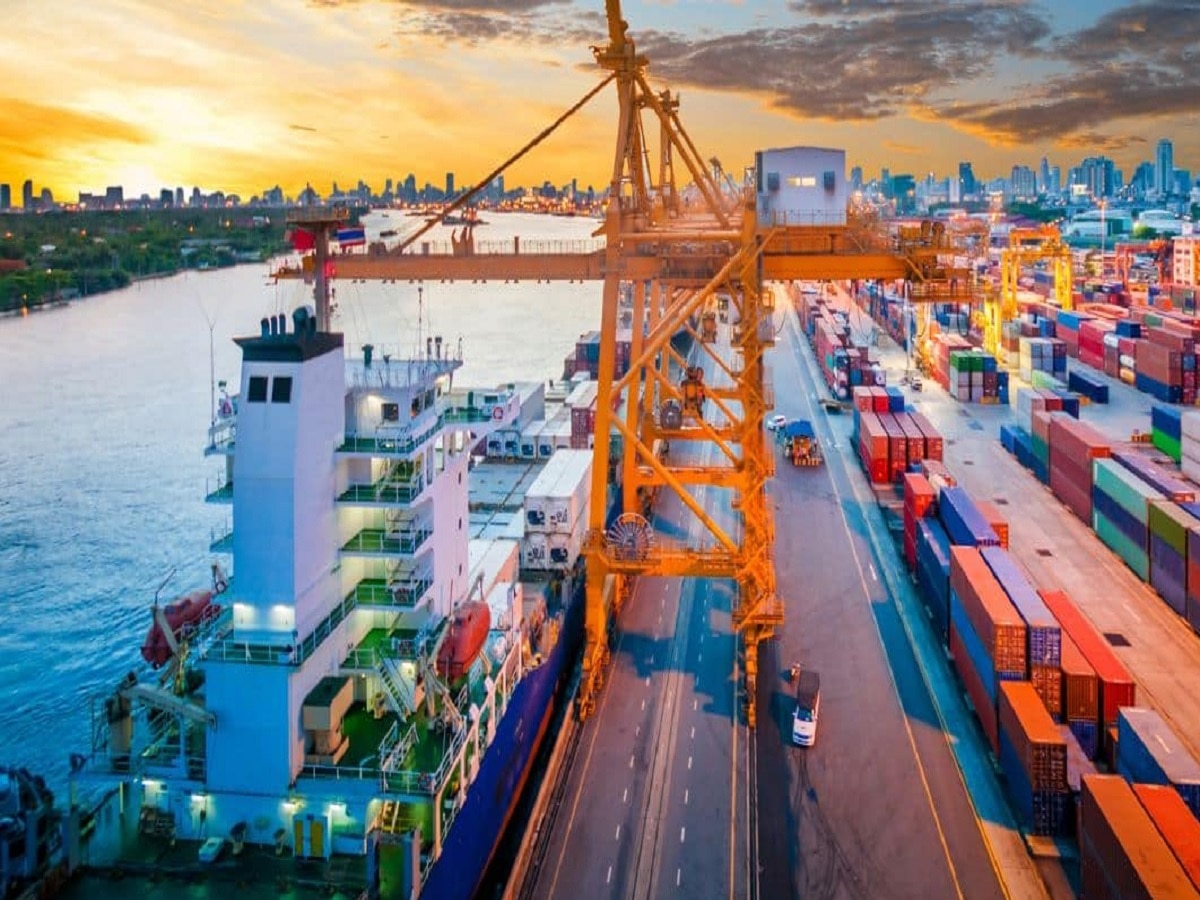
Payment is delayed due to this stress. Many private Iranian importers are now taking six to eight months to pay. This is increasing financial pressure on Indian traders. Iran’s government -backed agency, Government Trading Corporation (GTC) has also taken up to 180 days to issue payment. Due to this, some Indian exporters have started sending their rice to other countries despite low profits.
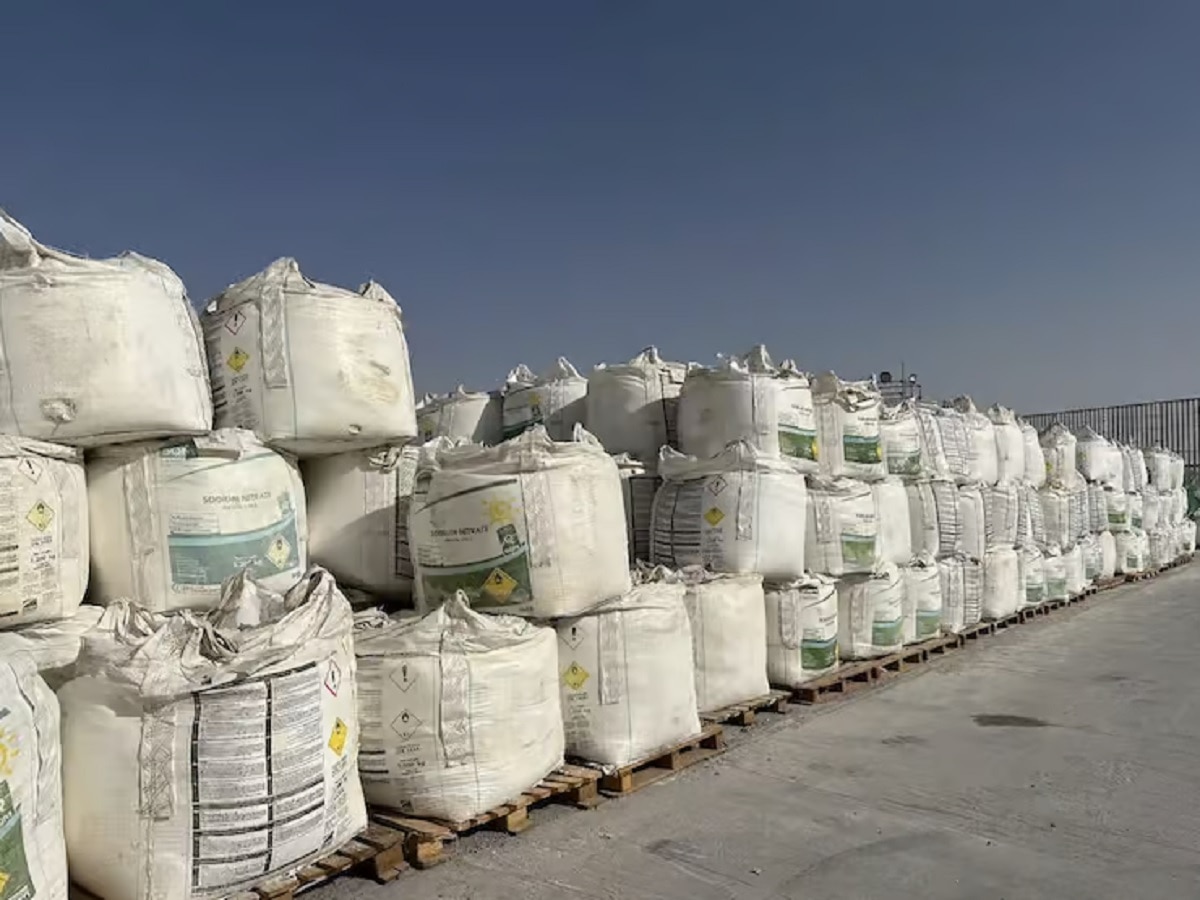
India also imports salt, sulfur, lime and cement from Iran. If these imports are stopped, construction work and its associated industries may be affected. Large amounts of biological chemicals also come from Iran. Their rising prices will increase the prices of fertilizers, which will directly affect the pockets of the farmers.