North India Statesman
[ad_1]
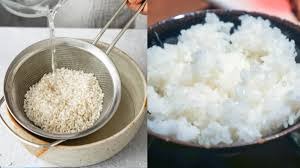
News India Live, Digital Desk: In most homes, rice is cooked immediately after washing, but both Ayurveda and modern science recommend cooking rice as little as possible. 20 to 30 minutes Recommend soaking for . Failure to do so not only reduces the nutrition of rice, but it can also have a negative impact on your digestive system.
1. Get rid of toxins and arsenic
Some harmful substances from the soil during rice cultivation like arsenic Are absorbed in it.
Benefit: Soaking rice reduces the effect of arsenic and pesticides deposited on its upper surface to a great extent, thereby reducing the risk of cancer and heart diseases.
2. Elimination of ‘Phytic Acid’
Rice naturally contains phytic acid, which is known as an ‘anti-nutrient’.
Benefit: This acid prevents the body from absorbing essential minerals like zinc, iron and calcium. By soaking, phytic acid is removed and the body gets the complete nutrition of rice.
3. Better digestion (Easy Digestion)
Rice has high amount of starch. The soaking process begins the breakdown of starch.
Benefit: Due to this, the rice becomes light after cooking and there is no problem of gas, bloating or heaviness in the stomach. This step is mandatory for those who are suffering from digestion problems.
4. Improves texture and aroma
Rice soaked before cooking becomes longer, more fluffy and softer.
Benefit: By soaking, the rice grains absorb water, due to which they cook evenly from inside and their natural aroma also remains intact.
How long to soak right?
White Rice: 15 to 30 minutes.
Brown Rice: At least 2 to 4 hours (as its outer layer is hard).
Basmati Rice: 30 minutes (for length and fragrance).