North India Statesman
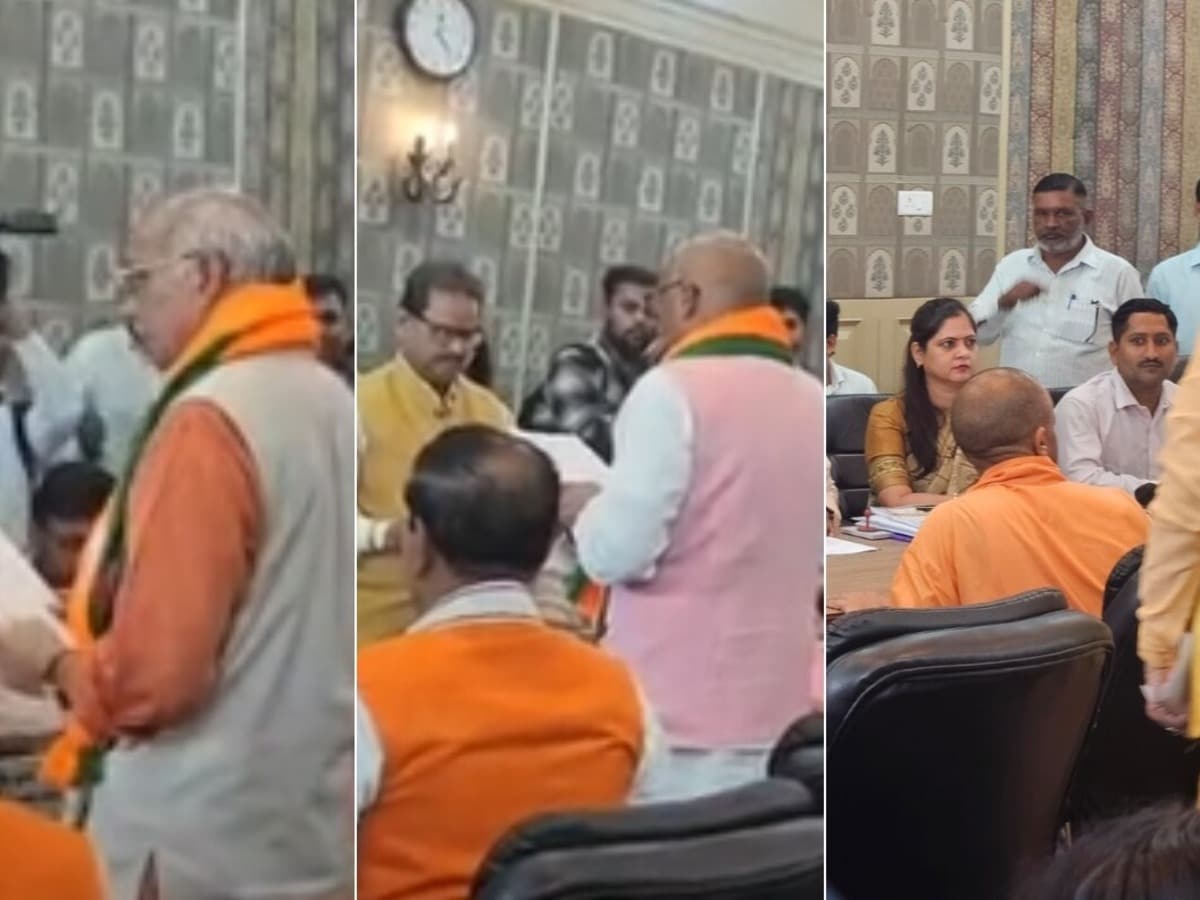
A high-profile show of political unity unfolded at Vidhan Bhavan in Lucknow as all eight Bharatiya Janata Party (BJP) nominees submitted their nomination papers for the upcoming Rajya Sabha biennial elections. Uttar Pradesh Chief Minister Yogi Adityanath accompanied the delegation into the state assembly complex alongside Deputy Chief Ministers Keshav Prasad Maurya and Brajesh Pathak, and state party president Pankaj Chaudhary. The synchronized filing not only demonstrates institutional cohesion within the ruling National Democratic Alliance (NDA) but also locks in guaranteed victories across all contested slots due to overwhelming legislative arithmetic.
New Organizational Faces Replace Retiring Heavyweights
The nomination roster marks an extensive organizational reset by the party’s central leadership, opting entirely for fresh organizational cadres over sitting parliamentarians. Heavyweight outgoing members, including Union Ministers Hardeep Singh Puri and B.L. Verma, were not renominated, making way for grassroots party functionaries. The eight official candidates stepping forward comprise UP Cabinet Minister Dharampal Singh, Prayagraj Bar Council leader Radhakant Ojha, regional leader Prakash Pal, senior organizational functionary Vidyasagar Sonkar, Gopi Krishna Pandey, former MP Priyanka Singh Rawat, Ram Pratap Singh Chauhan, and Shruti Gangwar.
Surgical Social Engineering Counters PDA Narrative
The candidate selection reflects calculated caste and regional calibration designed to reinforce the NDA’s broad social coalition ahead of the 2027 Uttar Pradesh Assembly elections. By fielding three Other Backward Class (OBC) leaders (Dharampal Singh, Prakash Pal, and Shruti Gangwar), two Dalit representatives (Vidyasagar Sonkar and Priyanka Singh Rawat), two Brahmin figures (Radhakant Ojha and Gopi Krishna Pandey), and Thakur representation via Ram Pratap Singh Chauhan, the party delivers a direct counterweight to the Samajwadi Party’s PDA (Pichhda, Dalit, Alpsankhyak) framework. Additionally, the inclusion of two prominent women leaders underlines a strategic push toward female electoral mobilization.
Assembly Math Guarantees Uncontested Victory
The path to Parliament remains clear of numerical friction. In the 403-member Uttar Pradesh Legislative Assembly, electing a single Rajya Sabha parliamentarian requires roughly 36 to 37 first-preference votes. With the BJP-led NDA alliance controlling a commanding strength of 288 legislators, the coalition commands surplus votes well beyond the 296 mark needed to safely elect all eight candidates. Because the Samajwadi Party fielded only two nominees—Prof. Ram Gopal Yadav and Dhanraj Parimal Nathwani—and dropped plans for an uphill contest on a third seat, exactly 10 candidates remain in the fray for 10 vacant seats, guaranteeing that all eight BJP candidates will win their seats unopposed.