North India Statesman
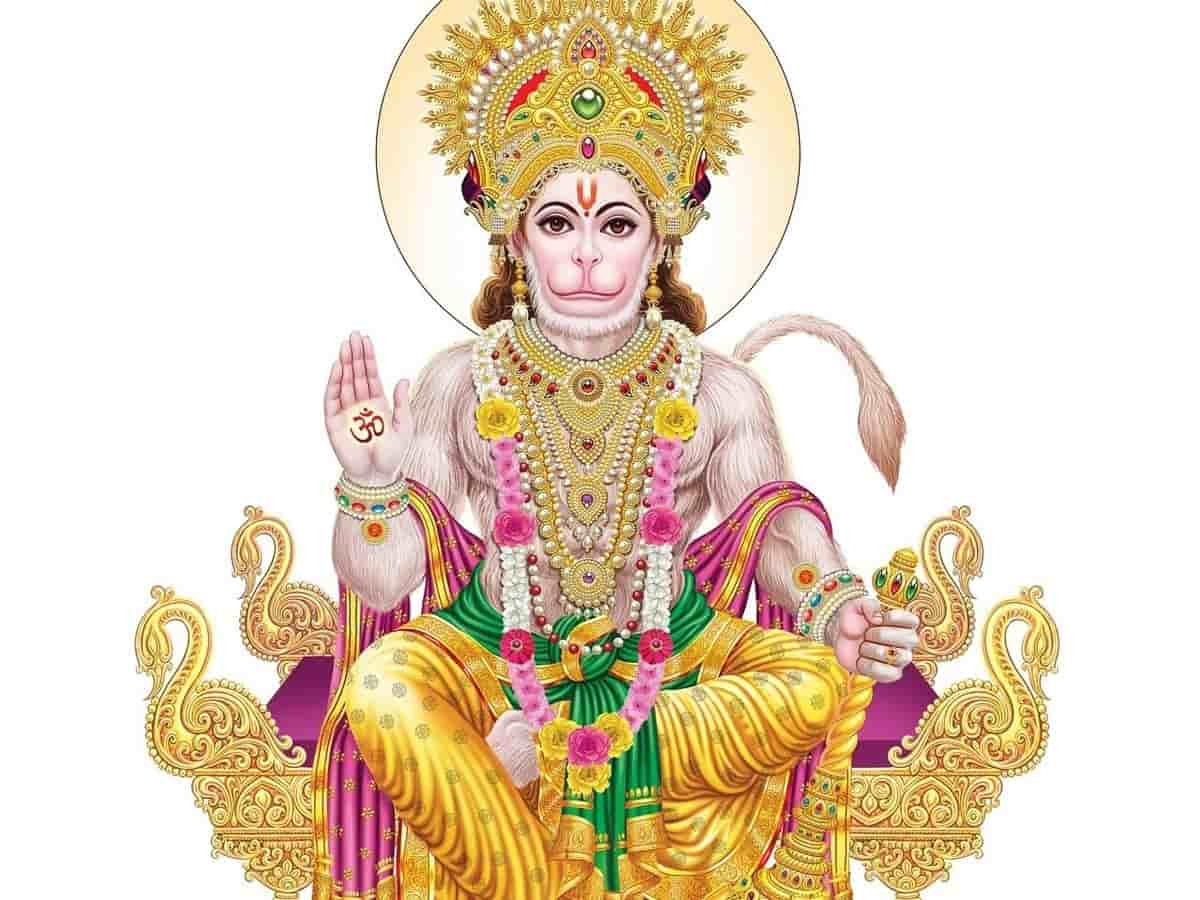
Across India, Vijayadashami marks the triumphant celebration of righteous virtue conquering deep darkness, commemorating Lord Rama’s decisive victory over the demon king Ravana after a ten-day cosmic battle. While effigies of Ravana, Kumbhakarna, and Meghnada burn brightly across grounds in Ayodhya, Varanasi, Delhi, and Karnataka, temples also witness massive queues of devotees seeking the benevolence of Sankat Mochan Lord Hanuman. Many ask why Maruti, the devoted servant of Rama, occupies such a pivotal ritual place on the day celebrating Rama’s ultimate triumph. The answer lies embedded deep within epic lore, tactical leadership in the Ramayana, sacred iconography, and profound tenets of Sanatana Dharma that resonate strongly with modern spiritual seekers.
The Unbroken Cord of Victory: Rama’s Indispensable Pillar in the War of Lanka
The journey to the battlefield of Lanka illustrates that victory is never a solitary endeavor; it is built on unwavering faith, selfless sacrifice, and flawless execution. When Lord Rama faced the vast oceans separating him from Goddess Sita, it was Hanuman whose single leap transformed an impossible geographical chasm into an accessible path of rescue. During the fiercest hours of the Lanka war, when Lakshmana fell unconscious from the deadly Shakti weapon unleashed by Meghnada, it was Hanuman who flew across continents to the Dronagiri mountain to retrieve the Sanjeevani herb before sunrise, reviving Lakshmana and preserving the spirits of the Vanara army. On Dussehra, worshipping Hanuman acknowledges the foundational devotion that sustained the righteous side during its most precarious struggles.
Divine Protection and the Warding Off of Dark Forces on Dashami Tithi
According to classical traditions preserved across North and South India, Vijayadashami is considered one of the three and a half most auspicious self-proven muhurats, ideal for commencing ventures, undertaking Seema Avalanghana (crossing traditional borders for progress), and performing Shastra Puja. In warrior and devotional traditions alike, Hanuman is hailed as the supreme embodiment of strength (Bala), intellect (Buddhi), and learning (Vidya). Because the day honors the annihilation of negative forces, fear, and arrogance personified by the ten-headed Ravana, invoking Hanuman ensures the expulsion of lingering demonic influences, negative planetary configurations such as Saturn’s Sade Sati, and inner evils like jealousy, pride, and wrath.
The Symbolic Lessons of the Sundara Kanda in Everyday Battles
Beyond ancient scriptural narratives, worshipping Hanuman on Dussehra carries deep metaphysical meaning for the modern individual striving for inner mastery. Ravana’s ten heads represent the ten sensory and cognitive faculties—five senses of perception and five organs of action—that, when corrupted by uncontrolled ego and desires, drag an individual into destruction. Lord Rama represents the higher divine consciousness (Atman), whereas Hanuman represents the focused, refined life breath (Prana) and surrendered intellect. When your inner faculties yield to devotion and self-discipline under the grace of Hanuman, righteous consciousness prevails over the sensory turmoil of daily modern existence.
Sacred Rituals Observed in Ayodhya, Chitrakoot, and Temples Nationwide
On this auspicious Dashami morning, vibrant ceremonies unfold across historic temples from the Hanuman Garhi of Ayodhya and Sankat Mochan Temple in Varanasi to the Kashtbhanjan Dev shrine in Gujarat and ancient mutts in Karnataka. Devotees offer vibrant vermilion (Sindoor Chola), jasmine oil (Chameli ka tel), fresh betel leaves garland (Paan ki mala), and sweet boondi laddoos to the deity while chanting the Hanuman Chalisa, Bajrang Baan, and Sundara Kanda verses. Worshipping the servant on the day the Master triumphs is considered the highest form of spiritual etiquette in Bhakti yoga, for it is written that Lord Rama cannot deny any boon requested through the grace of Mahavira Hanuman.