North India Statesman
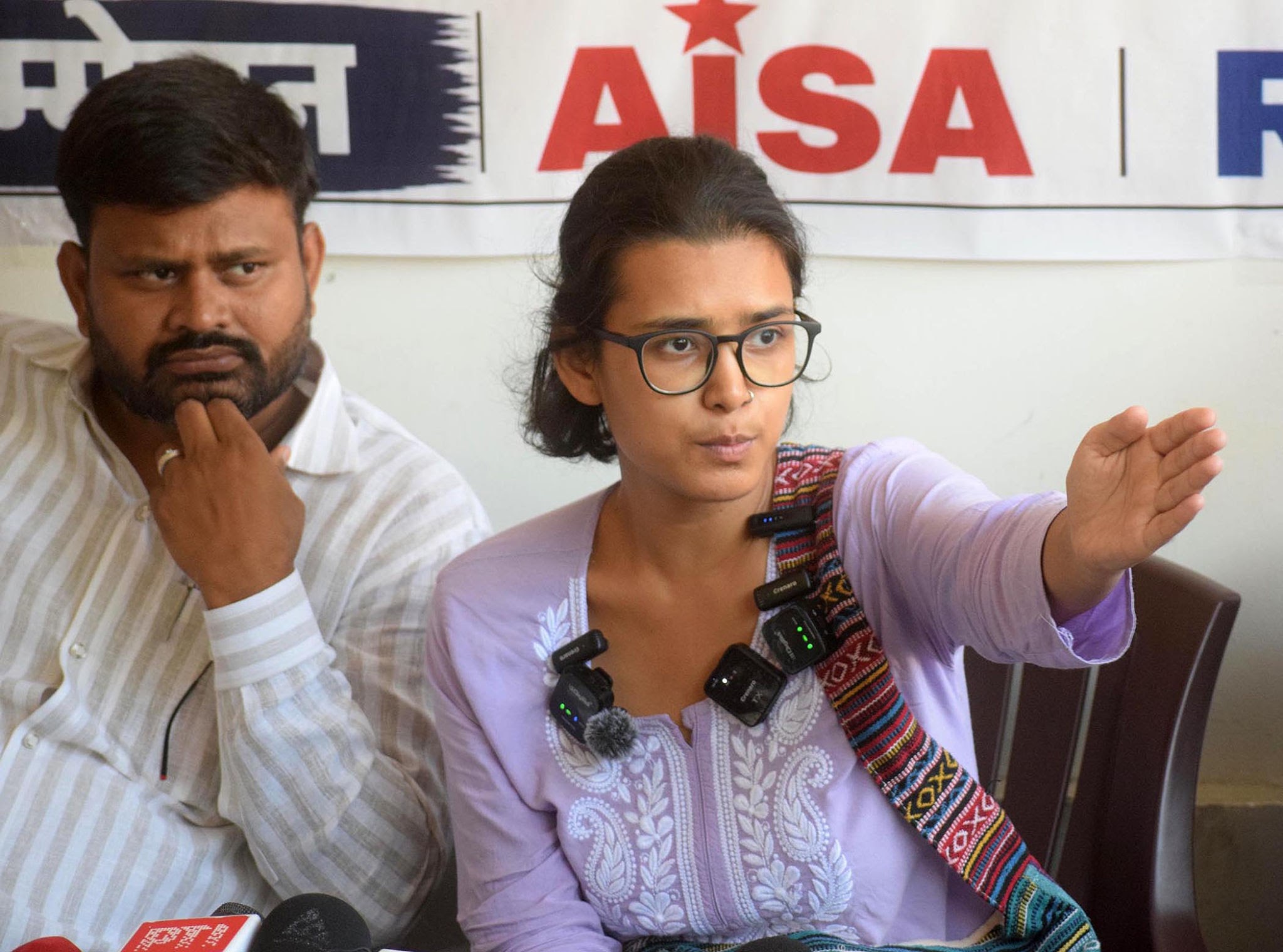
NEW DELHI: In a high-voltage legal standoff that has sent ripples across political and activist circles in the national capital, student activist Neha Bora has openly challenged the administrative directive requiring her to execute a good-behavior surety. Despite receiving an adverse ruling from the Delhi High Court, which declined to quash the order passed by the Executive Magistrate, Bora remains resolute in her stance, flatly refusing to sign the peace bond mandated under preventive law provisions.
The Legal Backdrop: High Court Refuses To Intervene
The controversy stems from ongoing public demonstrations where law enforcement authorities initiated preventive proceedings to maintain public order. The Executive Magistrate instructed Bora to sign a bond ensuring peaceful conduct for a specified duration. Moving the Delhi High Court against the directive, her legal defense argued that compelling an activist to execute a peace bond curtails fundamental rights to freedom of speech and peaceful assembly. However, after reviewing police submissions and security assessments, the court upheld the magistrate’s discretion, stating that preventive measures fall within legal frameworks intended to avert potential law and order disruptions.
“It’s A Matter Of Principle”: Defiant Activist Rejects Terms
Unfazed by the judiciary’s decision, Neha Bora addressed reporters outside the court complex, asserting that agreeing to a peace bond would amount to compromising her constitutional rights. She publicly pledged to accept alternative legal penalties or detention rather than signing what she calls an instrument designed to suppress legitimate dissent. “Signing this bond means accepting that exercising democratic dissent is an offense,” Bora declared, reiterating that her struggle for student rights and social justice will persist regardless of legal pressure or administrative mandates.
Broader Implications For Activism And Public Order
Legal experts and human rights observers in Delhi-NCR are closely tracking the case, noting that it highlights the delicate balance between maintaining public order and protecting democratic freedoms. As police authorities move to enforce the court order, the standoff presents a significant legal dilemma, setting up an intense battle between administrative enforcement and civil disobedience in the heart of the capital.