North India Statesman
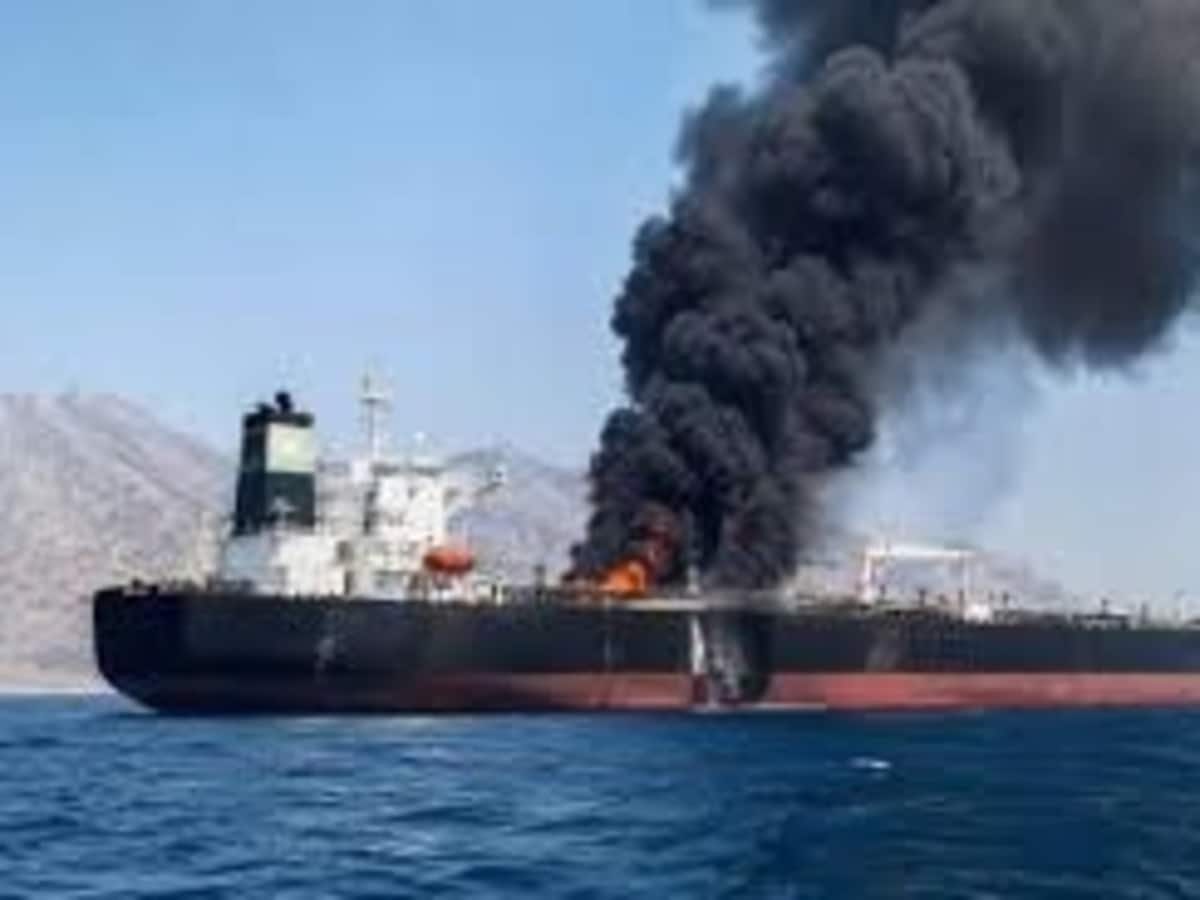
The critical maritime corridor of the Strait of Hormuz has witnessed another perilous escalation after a commercial crude oil tanker staffed entirely by Indian crew members was targeted in an explosive sabotage attack. Maritime security agencies and government officials confirmed that the Panama-flagged vessel, identified as MT Louise 1, was struck while navigating the narrow waters connecting the Persian Gulf to the Gulf of Oman. The attack involved magnetic limpet mines attached directly to the hull of the vessel, triggering twin explosions and an immediate, intense blaze in the ship’s engine compartment. The incident has reignited international alarms over commercial transit security along the world’s most critical petroleum export artery, which sees roughly twenty percent of global crude supplies pass through its channels.
Miracle Escape: All 27 Indian Seafarers Safe as Crew Battles Engine Room Fire
Union Minister for Ports, Shipping, and Waterways Sarbananda Sonowal officially confirmed that despite the severe nature of the blast, all 27 Indian seafarers aboard the vessel escaped unhurt. Following the detonation, the ship’s automated safety protocols and damage-control measures were activated by the crew. Demonstrating high-level maritime crisis management, the Indian personnel successfully extinguished the fire within the engine space before structural heat could breach the main crude cargo tanks. Although the vessel was temporarily disabled in open water, technical staff restored basic operational systems, permitting the ship to resume navigation toward its destination port under close observation.
Return of Limpet Mines: A Stealth Tactic Revived in Crowded Shipping Lanes
Security analysts from international maritime risk firms noted that this incident marks the first confirmed successful detonation of limpet mines against commercial transit since tensions flared across the region earlier this year. Unlike long-range drone strikes or anti-ship missiles, limpet mines require close-quarter operational deployment. Intelligence assessments indicate that a fast-moving skiff or small craft approached the moving tanker under cover of darkness, adhered magnetic explosive devices to the outer hull below the waterline, and withdrew undetected before timed detonation. The low-cost, high-precision nature of magnetic ordnance introduces severe vulnerabilities for heavily laden supertankers negotiating congested navigational lanes, effectively creating an unpredictable maritime hazard zone.
Global Supply Routes at Risk: Freight Spikes and Indian Interests in the Persian Gulf
The attack carries direct economic and human stakes for India, which relies heavily on the Persian Gulf for crude imports and provides a substantial share of global commercial seafarers. Heightened risk levels in the Strait of Hormuz have sent marine war-risk insurance premiums surging, escalating freight expenses for international energy shipments. Maritime authorities and shipping ministries continue to coordinate with regional embassies and naval coalitions to monitor vessel traffic, calling for strict protection of civilian mariners and unhindered freedom of navigation under international law.