North India Statesman
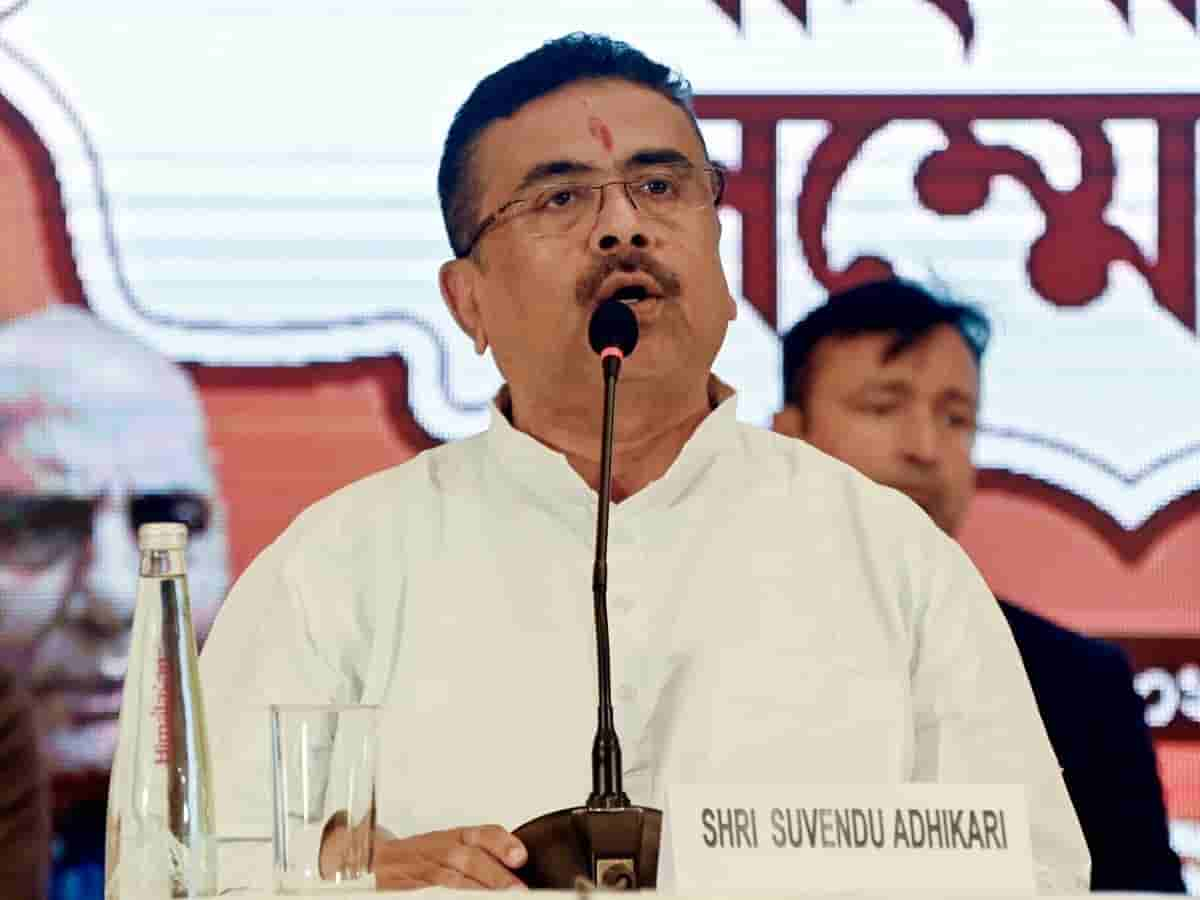
In a historic policy intervention aimed at redressing long-standing grievances, the West Bengal state administration has formally approved a comprehensive scheme to provide government jobs to one designated member from families who lost relatives to political and poll-related violence over the past 25 years. The proposal, cleared by the state cabinet at Nabanna, marks the first time that victims spanning across a quarter-century of turbulent electoral cycles—encompassing the previous Left Front era as well as subsequent administrations—are being brought under a unified rehabilitation umbrella. The decision is poised to offer long-awaited economic stability to hundreds of families left financially devastated by decades of recurring electoral clashes across rural and urban Bengal.
Comprehensive 25-Year Scope: Spanning Lok Sabha, Assembly, and Panchayat Elections
Unlike earlier piecemeal compensations tied to isolated incidents, this policy adopts an extensive retrospective canvas. The mandate covers families of individuals killed in election-related clashes and post-poll violence across:
-
The high-voltage 2021 Assembly elections and subsequent post-poll unrest.
-
The 2019 Lok Sabha parliamentary elections.
-
Three-tier Panchayat elections held across the state over the last 25 years.
-
Historical politically motivated killings during the final decade of the Left Front administration.
By setting a 25-year threshold, the initiative seeks to transcend immediate electoral timelines and extend relief across diverse political affiliations, acknowledging the generational distress caused to families regardless of which party flag the victim carried.
Implementation Mechanism: District Administrations and Verification Pipeline
To guarantee transparency and prevent fraudulent or politically motivated claims, the state government has instituted a multi-tiered administrative and forensic scrutiny mechanism:
-
Public Notification and Application: A formal state gazette notification will soon be issued alongside media advertisements inviting applications from affected families, specifying necessary educational requirements, age eligibility criteria, and designated departmental roles.
-
District Magistrate Window: Claimants must submit application dossiers to their respective District Magistrate’s (DM) office, documenting the identity of the deceased, circumstantial evidence, and proof of family lineage.
-
Cross-Verification of Records: District administrations will cross-reference claims against historical First Information Reports (FIRs), police station general diaries, official autopsy reports, judicial case proceedings, and Election Commission incident logs to conclusively establish that the death was a direct outcome of political or electoral violence.
-
Final Nabanna Sanction: Vetted files will be transmitted to the state secretariat at Nabanna for final screening and subsequent appointment orders. Chief Secretary Manoj Kumar Agarwal has already instructed District Magistrates across all districts to initiate preliminary database preparation and identify eligible candidate families.
Families Welcome Move, Opposition Questions Modalities
The announcement has evoked deep emotional relief among victims’ families who have spent years navigating legal battles and financial insecurity. Relatives of victims from past electoral skirmishes hailed the decision as a rare institutional recognition of their suffering, noting that bringing Left-era and recent victims under one framework reflects a humane approach.
However, the decision has also ignited sharp debate across political corridors. Opposition leaders and legal observers have raised queries regarding whether the proposed appointments will be contractual or regularized permanent posts, the specific service rules governing these compassionate grounds, and the precise budgetary allocations earmarked to absorb the workforce. Critics have urged the government to ensure complete institutional neutrality during district-level scrutiny, cautioning against bureaucratic delays or selective processing.
With the formal government notification expected shortly, West Bengal’s sweeping 25-year employment initiative stands as a major administrative effort to address one of the state’s deepest and most painful socio-political scars.