North India Statesman
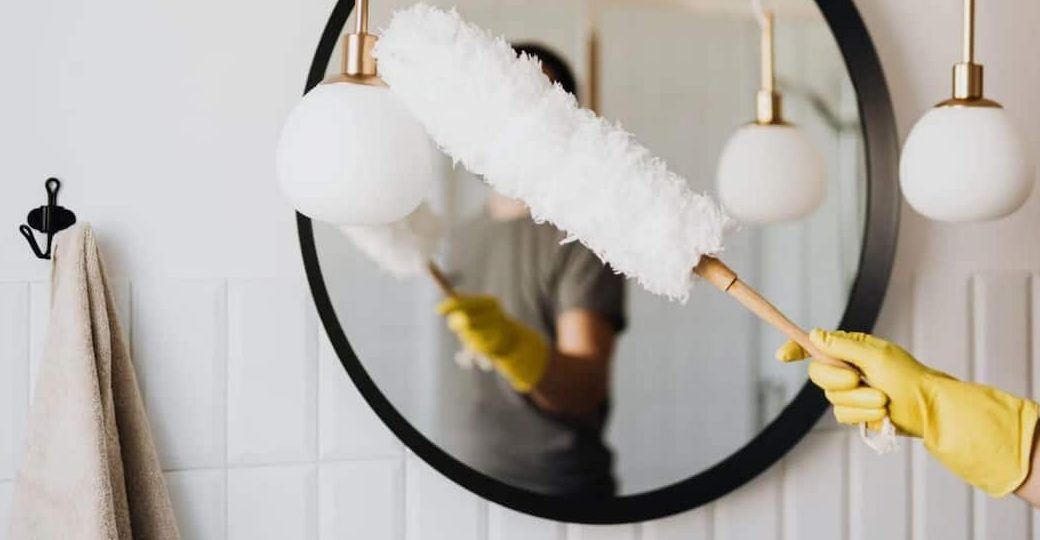
Every year, as the festive season approaches, homes across towns and metropolitan cities undergo an intense ritual of deep sanitation. Sofas are pushed aside, heavy drapes are taken down, long-forgotten lofts are cleared, and sealed box-beds are opened to air out heavy winter quilts. Yet, within hours of picking up a broom or shifting dusty cartons, a frustrating sequence begins: relentless sneezing fits, itchy palates, streaming eyes, and a raw, dry cough that worsens the moment you lie down at night. Most people dismiss this ordeal as an unavoidable minor annoyance or assume they have caught a sudden viral cold. However, the rapid onset of these symptoms is neither a random chill nor ordinary fatigue; it is an acute allergic reaction provoked by a sudden bio-aerosol explosion inside the home. Deep festive cleaning forcibly dislodges months of dormant biological matter into the ambient indoor air, overwhelming the nasal passages and triggering an aggressive immune defense. Understanding the exact mechanical and biological triggers behind post-cleaning distress is the first step toward safeguarding your respiratory health throughout the festive celebrations.
The Invisible Culprits: Dust Mites, Fungal Spores, and Microscopic Debris
What people loosely label as ordinary household dust is actually a complex, highly allergenic biological cocktail. In sealed storage compartments, heavy upholstery, and old cotton mattresses, the primary culprit is the microscopic house dust mite (Dermatophagoides pteronyssinus). Dust mites do not bite or carry infectious diseases; rather, their digestive enzymes, shed exoskeletons, and dried fecal pellets contain potent proteins that act as aggressive allergens. Over months of neglect, millions of these microscopic particles settle deep into fabric weaves and carpet fibers. When vigorous dry sweeping or shaking out rugs takes place, these ultra-light fragments are thrown into suspension, lingering airborne for hours. Alongside dust mites lurk hidden colonies of mold and fungal spores, notably Aspergillus, Penicillium, and Cladosporium, which flourish in humid, poorly ventilated corners, old paper archives, and dark wardrobes. When inhaled, these minuscule spores bypass the coarse nasal hairs and lodge directly along the mucous membranes of the respiratory tract, setting off a rapid physiological chain reaction that leaves you coughing, sneezing, and clearing your throat repeatedly.
The Biological Cascade: How Inhaled Allergens Provoke Violent Coughing and Sneezing
The violent sneezing and hacking cough experienced after handling dusty items represent a frantic survival response orchestrated by your immune system. In an individual sensitized to dust allergens, the immune system mistakenly classifies harmless mite proteins and fungal spores as hazardous foreign pathogens. Upon inhalation, these antigens bind directly to Immunoglobulin E (IgE) antibodies coating the surface of mast cells located within the nasal lining and bronchial passages. This binding triggers instantaneous cellular degranulation, releasing a torrent of inflammatory chemical mediators, predominantly histamine, leukotrienes, and prostaglandins. Histamine rapidly dilates local blood vessels, engorging the nasal turbinates and causing acute congestion, while hyper-stimulating sensory nerve endings to induce rapid sneezing fits. Simultaneously, goblet cells go into overdrive, producing copious amounts of thin mucus to physically flush out the invaders, resulting in profuse runny nose and post-nasal drip. As this irritating mucus trickles down the back of the throat, it triggers the cough reflex in the larynx. In sensitive airways, leukotrienes prompt the smooth muscles of the bronchi to contract, creating the tight, wheezing cough characteristic of acute allergic inflammation.
The Autumn Weather Trap: Temperature Inversion and Stagnant Indoor Air
The timing of festive cleaning compounds the physiological threat due to seasonal microclimatic changes that occur across North India and central regions during October and November. As autumn transitions into early winter, atmospheric temperatures drop, leading to meteorological temperature inversion. Cooler, denser air stays trapped near the ground surface, unable to rise and disperse particulate matter. When outdoor air quality deteriorates due to vehicular emissions, dry road dust, and seasonal agricultural smoke, opening windows during domestic cleaning does not provide fresh ventilation; instead, it invites toxic outdoor particulate matter (PM2.5 and PM10) inside to mix with disturbed indoor allergens. Furthermore, because ceiling fans and cooling systems are gradually turned off during this transitional weather, indoor rooms suffer from minimal air circulation. The suspended dust particles, mite allergens, and fine soot remain hovering at head height for twelve to twenty-four hours after cleaning has stopped. Inhaling this mixture of biological allergens and chemical aerosols subjects the mucosal lining of the throat and lungs to severe oxidative stress, intensifying cough severity and nasal inflammation.
Dust Allergy or Developing Bronchitis? Knowing When to Worry
Distinguishing between a standard dust allergy and an escalating respiratory condition is crucial for preventing long-term bronchial damage. Classic allergic rhinitis typically manifests with itching of the nose, palate, and eyes, clear watery nasal discharge, and paroxysmal sneezing, resolving within a couple of days once the allergen source is cleared. However, when the reaction descends deeper into the lower pulmonary tract, it can morph into allergic bronchitis or trigger latent adult-onset cough-variant asthma. Key warning signs that warrant immediate medical evaluation include a relentless dry cough that disrupts sleep, an audible whistling or wheezing sound during exhalation, a sensation of chest tightness, or shortness of breath while performing routine chores. Individuals with a history of childhood asthma, chronic sinusitis, or atopic skin conditions are particularly prone to severe hyperreactive airway episodes following cleaning sprees. Dismissing these pulmonary warnings as a mere dust tickle can result in chronic bronchial inflammation, which leaves the lungs vulnerable to secondary bacterial infections and prolonged seasonal airway hypersensitivity long after the festive holidays conclude.
Smart Cleaning Hacks and Medical Relief to Protect Your Lungs This Festive Season
Protecting yourself from the debilitating aftermath of festive cleaning does not require abandoning traditional preparations, but rather replacing outdated cleaning habits with medically sound practices. First and foremost, eliminate dry sweeping, feather dusters, and vigorous rug-beating, which serve only to aerosolize heavy allergen loads into your breathing zone. Instead, employ damp microfiber cloths that physically trap dust particles, and use high-efficiency particulate air (HEPA) vacuum cleaners equipped with sealed filtration systems to clean mattresses, sofas, and lofts. Wear a tightly fitted, certified N95 respirator mask throughout the cleaning process—a simple surgical mask or cloth handkerchief allows microscopic mite fragments to pass right through. Anyone with a known history of allergic rhinitis should delegate heavy loft-clearing to others or pre-treat with a doctor-prescribed non-sedating antihistamine and saline nasal spray prior to starting. Immediately after finishing, take a warm shower, wash your hair to eliminate trapped pollen and dust mites, and launder your cleaning clothes in hot water. Using a saline nasal rinse (sterile saline spray or sinus rinse) cleanses trapped allergens from the nasal cavity, ending the cycle of sneezing and coughing before bedtime.