North India Statesman
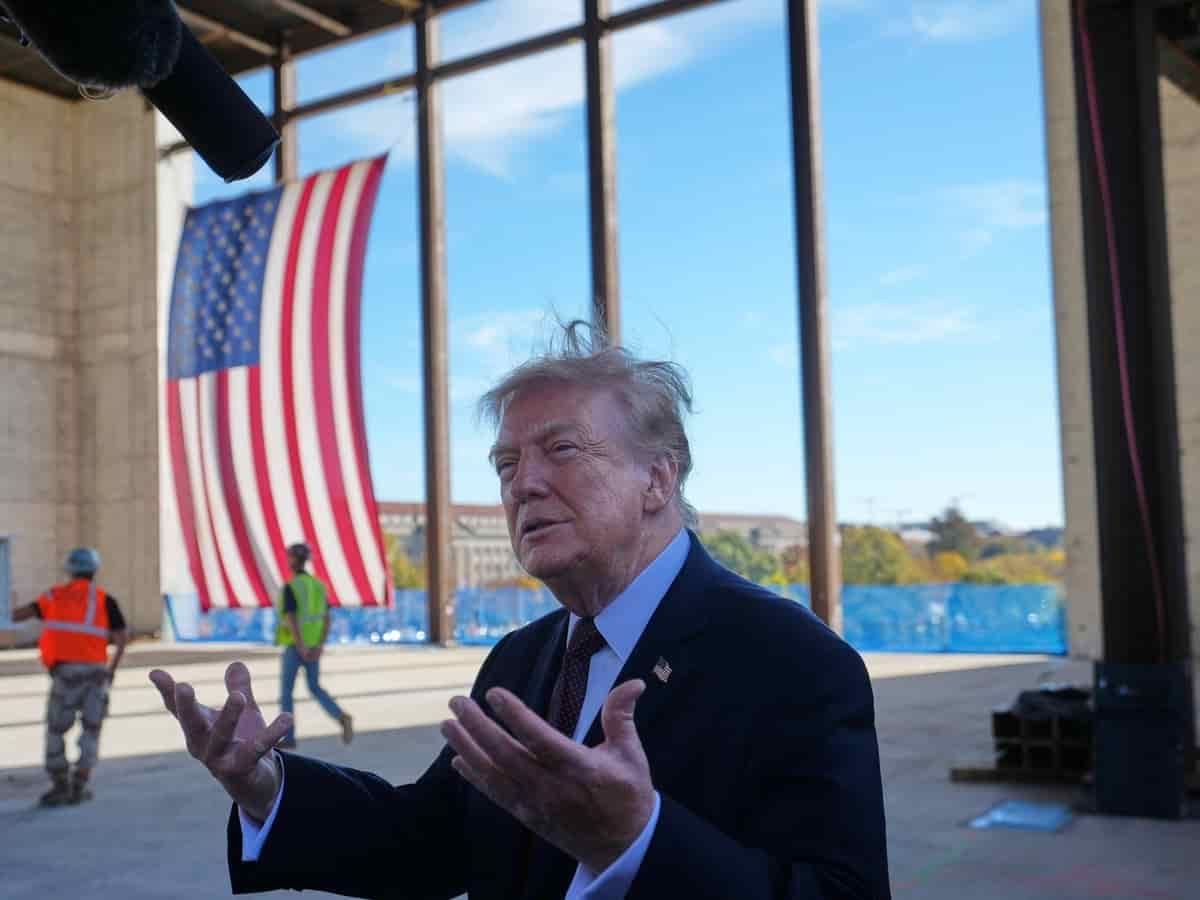
Despite suffering a devastating blowout in the US midterm elections that stripped Republicans of both chambers of Congress, President Donald Trump has adopted a remarkably aggressive and uncompromising posture. In a series of high-profile post-election remarks, Trump conceded that the military conflict with Iran and the resulting spikes in domestic energy and gasoline prices played a major role in alienating voters at the ballot box. However, rather than signaling diplomatic conciliation or policy retreats, Trump doubled down on his military campaign. Speaking directly about the political and global fallout of launching operations against Tehran, Trump stated bluntly: “I don’t think about it. I did the right thing. I would have done it again”.
The Strategic Calculus: Nuclear Deterrence Over Short-Term Electoral Gains
Elaborating on his decision to initiate and sustain strikes against Iranian targets, Trump framed the military offensive as a non-negotiable geopolitical imperative that transcended domestic party politics. The President argued that while voters felt the immediate financial pinch of soaring gasoline prices, preventing Tehran from crossing the nuclear threshold remained the only viable long-term strategy for American and global security. “People agree with what I’m doing on Iran, but they really probably weren’t willing to do the short-term consequence of paying more for gasoline,” Trump remarked in a phone interview. Asserting that “long term, it’s the only answer,” Trump maintained that allowing an adversarial regime to attain nuclear capabilities would have posed a catastrophic danger far exceeding any midterm legislative setback.
Widening White House Chasm: Trump’s Resolve vs. Vance’s Rebellion
Trump’s unyielding defense stands in stark, immediate contrast to public statements made by Vice President JD Vance. Just hours earlier, Vance had ignited a political shockwave by openly calling the Iran war the core driver of the GOP’s congressional wipeout, urging the conservative movement to abandon foreign military adventures and realign with working-class domestic realities. Rather than adopting his running mate’s non-interventionist tone or offering concessions to appease party skeptics, Trump firmly backed his military leadership, including Defense Secretary Pete Hegseth, and dismissed calls for a cabinet reshuffle. The diametric opposition between the President’s combative stance and the Vice President’s populist critique has exposed an unprecedented ideological divide at the very apex of the executive branch.
The “Mr. Veto” Warning: A Combative Two-Year Road Ahead for Washington
Signaling how he intends to govern against incoming Democratic majorities in the House and Senate, Trump delivered a clear visual and verbal warning to Capitol Hill. The President shared an image of his signature red cap emblazoned simply with the word “VETO,” hinting at his readiness to weaponize presidential discretion and block legislative initiatives pushed by Democratic leadership. While Trump claimed he remained open to working with Democrats on selective bipartisan issues, he made it clear that on national security, military authority, and core ideological battlegrounds, the White House will not yield. With Democrats preparing to assume committee gavels and challenge war authorizations, Trump’s vow that he would repeat the Iran strike underscores that his remaining term will be characterized by intense confrontation at home and uncompromising deterrence abroad.