North India Statesman
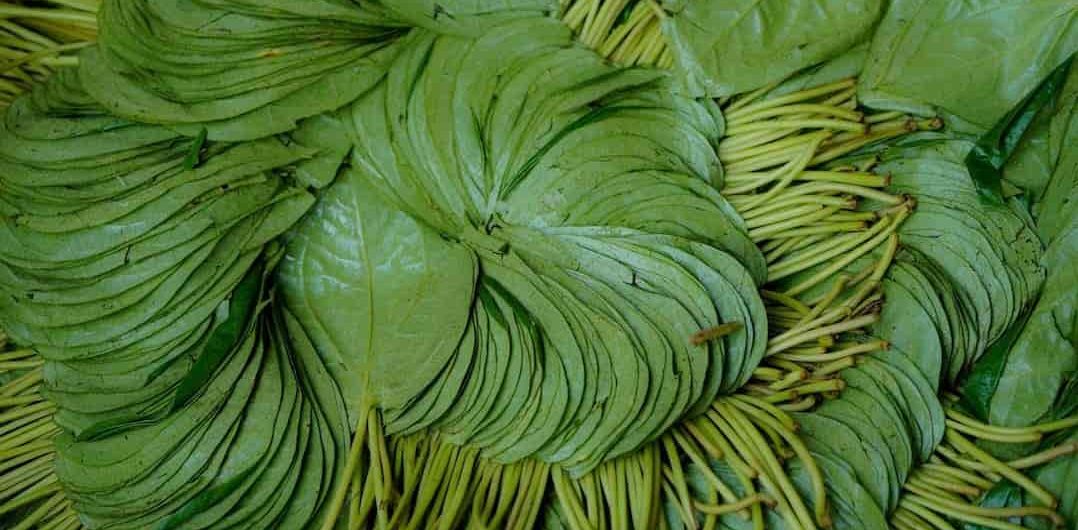
Across homes in India, the glossy, heart-shaped betel leaf (Piper betle), affectionately known as paan ka patta, is deeply woven into sacred rituals, festive hospitality, and culinary heritage. From bustling street kiosks in Lucknow and Varanasi to family courtyards in Kerala and Bengal, the aroma of fresh betel leaves is unmistakable. Yet beyond its traditional ceremonial role and post-meal reputation, this emerald leaf functions as a miniature botanical pharmacy. Classical Ayurvedic compendiums like the Charaka Samhita and modern ethnobotanical studies both recognise Piper betle for its potent carminative, analgesic, antimicrobial, and anti-inflammatory properties. When used thoughtfully in everyday home wellness, fresh betel leaves provide gentle, fast-acting relief for common ailments ranging from stubborn bronchial congestion to painful joint flare-ups.
The Science Behind the Leaf: Why Betel Works So Effectively
Understanding why betel leaves hold such immense therapeutic power begins with their rich phytochemical profile. Fresh betel leaves are loaded with volatile essential oils and bioactive polyphenols, most notably hydroxychavicol, chavibetol, piperbetol, eugenol, and carvacrol. These naturally occurring compounds deliver broad-spectrum antibacterial and antifungal activity, acting aggressively against pathogens such as Staphylococcus aureus and Candida albicans. Furthermore, the leaves contain significant levels of tannins, saponins, and flavonoids, which scavenge free radicals and dampen acute inflammatory responses in living tissue. When crushed, chewed, or heated, these volatile oils are released, allowing immediate absorption through mucosal membranes or transdermally across the skin barrier.
Soothing Stubborn Coughs, Chest Congestion, and Childhood Phlegm
One of the most trusted winter remedies across Indian households involves using warm betel leaves to dissolve deep chest congestion. When seasonal changes trigger wet coughs, wheezing, or bronchial heaviness, this topical application offers comforting warmth without the drowsiness associated with over-the-counter antihistamines. To prepare this remedy, take two broad, freshly washed betel leaves and gently pat them dry with a clean cotton towel. Coat the smooth, ventral side of each leaf generously with warm mustard oil or pure castor oil. Place the leaf on a warm tawa or skillet over a low flame for just five to seven seconds until the leaf softens and feels pleasantly warm to the touch. Test the temperature against the inside of your wrist to guarantee it will not burn the skin. Place the warm oiled leaf directly over the middle of the chest, cover it with a dry flannel cloth, and allow the patient to rest for twenty minutes. The combination of gentle localized heat and vaporised eugenol penetrates through the dermal layers, helping dilate constricted airways and liquefy sticky mucosal secretions. For an internal remedy, boil two crushed betel leaves with three crushed black peppercorns, a thumb-sized piece of fresh ginger, and two crushed green cardamoms in 300 ml of water until reduced by half. Strain this herbal decoction, allow it to cool to a lukewarm temperature, and stir in half a teaspoon of raw honey. Sipping this tea twice daily calms throat tickles and speeds up bronchial clearance.
Revitalising Sluggish Digestion, Gas, and Abdominal Bloating
The long-standing cultural custom of chewing a betel leaf after a celebratory feast is grounded in practical gastrointestinal physiology. Betel leaves are naturally rich in sialagogues—agents that stimulate the salivary glands to produce enzymes like salivary amylase. This early enzymatic surge jumpstarts carbohydrate breakdown in the mouth before food even hits the stomach. Simultaneously, the active bitters in betel stimulate the gastric lining to secrete optimal amounts of digestive acids and bile, expediting gastric emptying and preventing that heavy, lethargic sensation that follows a rich meal. To treat acute flatulence, indigestion, or abdominal cramping, wash a tender, bright-green betel leaf, place a pinch of carom seeds (ajwain) along with a crystalline granule of black salt (kala namak) in the centre, fold it into a small cone, and chew it thoroughly for several minutes before swallowing the juices. For infants and young toddlers troubled by painful colic and trapped gas, never administer raw juices orally; instead, apply the warm leaf compress. Lightly warm a castor-oil-greased betel leaf and lay it gently over the child’s lower abdomen. Within minutes, the soothing warmth relaxes the abdominal wall and assists in the natural expulsion of trapped intestinal air.
Relieving Throbbing Tension Headaches and Mental Fatigue
Long hours in front of digital monitors, atmospheric humidity, and hectic urban routines frequently culminate in pulsating tension headaches centred across the temples. Betel leaves offer a cooling, plant-based analgesic alternative that acts swiftly to reduce cranial vascular tension. Pick three crisp, fresh betel leaves, wash them in cold water, and pound them in a traditional stone mortar into a fine, aromatic paste. Spread this vibrant green paste evenly across your forehead and temples, and recline comfortably in a quiet, dimly lit room for fifteen to twenty minutes. The cooling sensation generated by chavibetol and moisture constriction reduces localized blood vessel dilation, easing vascular throbbing. Alternatively, lightly bruising a whole fresh leaf and inhaling its pungent, peppery aroma acts as a gentle olfactory stimulant, clearing sinus stuffiness and uplifting mental clarity during mid-afternoon slumps.
Natural Antiseptic Poultice for Cuts, Minor Burns, and Boils
Before modern chemical antiseptic lotions became commonplace in rural dispensaries, bruised betel leaves served as the immediate frontline dressing for domestic cuts, kitchen scrapes, and minor thermal burns. The leaf’s potent antimicrobial enzymes inhibit opportunistic bacterial growth on open skin while accelerating the natural proliferation of fibroblasts that close wounds. To tend to a minor scratch or insect sting, thoroughly wash a mature betel leaf under running potable water to remove any dust. Crush the leaf between your palms or using a sterile pestle until the fragrant green juice begins to weep. Dab the freshly expressed extract directly onto the affected skin, place the crushed leaf pulp directly over the wound, and bind it securely with a clean cotton gauze bandage. In the case of painful, slow-draining skin boils (baltod), smear the leaf with warm turmeric-infused castor oil before placing it over the swelling; the poultice draws out localized toxins and hastens natural drainage.
Banishing Halitosis and Strengthening Spongy, Bleeding Gums
Oral health is an area where betel leaves demonstrate clinical-grade efficacy. Studies tracking oral pathogens confirm that gargling with betel extract significantly suppresses colonies of Streptococcus mutans, the primary bacterial culprit behind dental plaque, enamel demineralisation, and persistent halitosis (bad breath). To craft an invigorating, chemical-free daily mouthwash, tear five medium betel leaves into pieces and simmer them along with four bruised cloves and half a teaspoon of pure turmeric powder in two cups of water for eight minutes. Allow the herbal infusion to cool completely, strain it through a fine sieve, and store it in a clean glass bottle. Swishing a generous mouthful of this astringent liquid around your gums and teeth for sixty seconds every morning curbs morning breath, tones spongy gingival tissue, and helps heal minor aphthous mouth ulcers naturally.
Alleviating Inflamed Joints, Sprains, and Arthritic Pain
For individuals managing chronic knee stiffness, wrist sprains, or inflammatory joint flare-ups exacerbated by cold, damp weather, betel leaves serve as a gentle, non-invasive transdermal wrap. The anti-inflammatory action of hydroxychavicol inhibits pro-inflammatory cytokines, dulling acute joint ache and swelling. Warm two tablespoons of unrefined sesame oil or mustard oil mixed with a pinch of camphor. Massage this warm oil deeply into the aching joint for five minutes to stimulate peripheral blood circulation. Immediately afterwards, layer two to three broad betel leaves—previously softened over mild heat—flat around the entire joint circumference. Wrap the area snugly with a flexible cotton crepe bandage to preserve the heat throughout the night. Waking up with reduced joint stiffness and improved morning mobility makes this simple nocturnal ritual a cherished favourite among elderly family members.
Crucial Safety Rules: How to Consume Betel Leaves Responsibly
While the humble Piper betle leaf is profoundly therapeutic, its medicinal integrity depends entirely on how it is consumed. The dangerous health risks long associated with betel chewing do not originate from the leaf itself, but from the toxic substances routinely wrapped inside it in commercial street preparations. Under no circumstances should betel leaves be combined with slaked lime (chuna), areca nut (supari), or tobacco (zarda). Chronic use of these additives causes mucosal submucous fibrosis and exponentially multiplies the risk of oral squamous cell carcinoma. For safe home remedies, always select clean, unblemished, vibrant green leaves sourced from reputable markets, and wash them vigorously under running water to eliminate any pesticide traces or biological residues. Pregnant women and individuals undergoing pharmaceutical anticoagulant therapy should consult their attending physician before consuming large quantities of betel leaf decoctions internally. Embraced with discernment and traditional culinary simplicity, this remarkable emerald leaf remains one of nature’s most versatile, accessible remedies for wholesome daily wellness.