North India Statesman
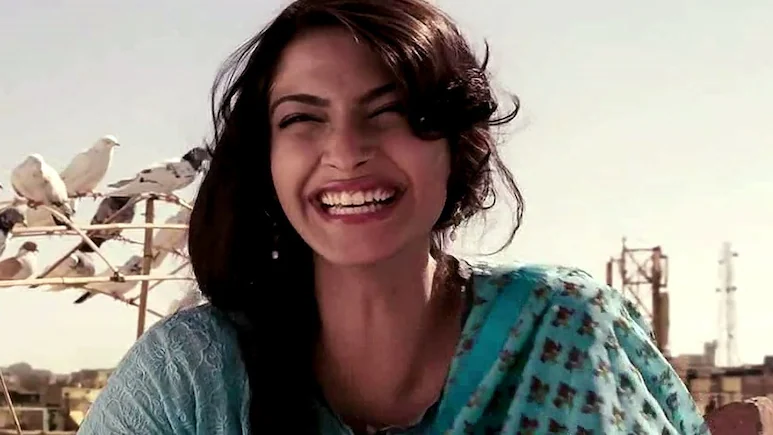
When director Rakeysh Omprakash Mehra released his socio-cultural drama Delhi-6 in 2009, audiences were captivated by its soulful, vibrant soundtrack crafted by Academy Award-winning composer A.R. Rahman. Among the album’s most enduring tracks was the whimsical, energetic song “Masakali,” picturized on Sonam Kapoor dancing with a white pigeon atop her head in the rustic lanes of Old Delhi. Over fifteen years later, celebrated lyricist, poet, and Central Board of Film Certification (CBFC) chief Prasoon Joshi made a special guest appearance on Amitabh Bachchan’s iconic quiz show Kaun Banega Crorepati (KBC), where he finally unraveled the fascinating story behind how the word “Masakali” was conceived, fundamentally changing the landscape of modern Hindi film music.
How a Pigeon and Old Delhi Culture Inspired the Lyric
Speaking directly to host Amitabh Bachchan on the KBC hot seat, Prasoon Joshi explained that the term “Masakali” was not part of traditional Hindi vocabulary or classical literature before the film’s release. During the script development and music composition phase for Delhi-6, the creative team wanted a melody and lyric that reflected the carefree, soaring spirit of youth alongside the historic pigeon-flying (kabootar-bazi) culture deeply rooted in the rooftops of Chandni Chowk. The character played by Sonam Kapoor, Bittu, shared a unique onscreen bond with a domestic white pigeon. Prasoon Joshi recalled that while brainstorming lyrics with A.R. Rahman and Rakeysh Omprakash Mehra, he decided to coin a completely fresh, euphonic word that sounded light, airy, and inherently musical. He invented “Masakali” on the spot as a playful term of endearment for the bird, which subsequently became the central motif of the entire song.
The Magic of A.R. Rahman’s Composition and Mohit Chauhan’s Voice
Once the unique lyrical hook was established, A.R. Rahman crafted a breezy, acoustic-driven arrangement that blended traditional Indian folk elements with contemporary pop rhythms. Acclaimed playback singer Mohit Chauhan lent his distinctive, soothing vocals to the track, perfectly capturing the free-spirited demeanor of the character and her avian companion. The track instantly became a nationwide sensation upon its release in 2009, topping radio charts, winning multiple prestigious music awards, and entering pop culture vernacular. The word “Masakali” gained such immense popularity that it transcended the film itself, becoming a widely recognized slang term across India for freedom, innocence, and graceful motion.
Timeless Legacy in Modern Indian Cinema
Reflecting on the song’s legacy during the KBC episode, Amitabh Bachchan commended Prasoon Joshi for his exceptional linguistic creativity and ability to inject fresh vocabulary into mainstream cinema. Joshi noted that creating iconic lyrics often requires stepping outside traditional linguistic boundaries to capture an emotion that conventional words cannot fully express. Today, “Masakali” remains a gold standard in Hindi film music—a testament to how poetic innovation, cultural context, and masterly musical collaboration can create an indelible piece of art that resonates across generations.