North India Statesman
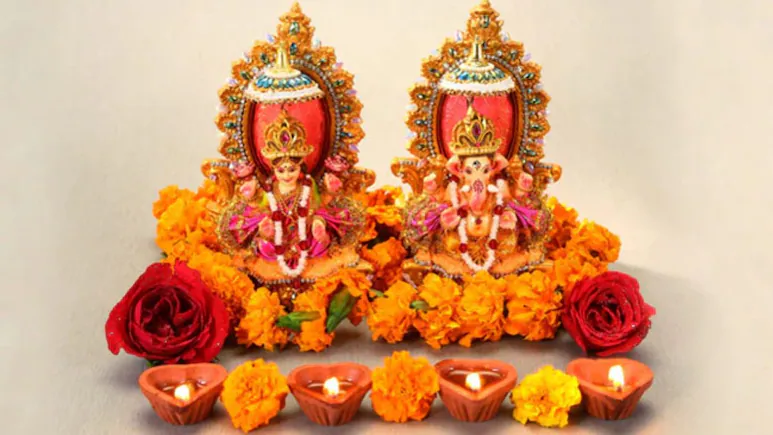
As the auspicious festival of Diwali approaches, households across India begin elaborate preparations to welcome Goddess Lakshmi, Lord Ganesha, and Lord Kuber into their homes. Central to the evening celebrations is the sacred Lakshmi Puja, performed during Pradosh Kaal to invoke prosperity, good health, wisdom, and financial stability for the family. However, arranging the right ritual items amidst the hectic holiday rush often leads to last-minute confusion. To ensure your devotional proceedings run smoothly without missing any sacred elements, having a well-organized, comprehensive puja samagri (worship materials) checklist is essential before heading to the local market or shopping online.
Core Idols, Mandap Setup, and Sacred Kalash Essentials
Setting up a clean, consecrated alter (chowki) serves as the foundational step of the Diwali ritual. The primary idols or framed images of Goddess Lakshmi and Lord Ganesha should be placed on a raised wooden platform covered in fresh red or yellow silk cloth.
| Category | Primary Ritual Items | Symbolic Purpose |
| Altar Setup | Wooden Chowki, Red/Yellow Cloth, Idols of Lakshmi & Ganesha | Creates a consecrated seat (Asana) for the deities. |
| Sacred Kalash | Copper/Brass Lota, Water, Mango Leaves, Coconut, Coins | Represents cosmic abundance, purity, and life force. |
| Tilak Powders | Roli, Kumkum, Chandan, Haldi, Akshat (Unbroken Rice) | Offered during invocation and tilak rituals. |
| Sacred Threads | Kalawa (Mauli), Janeu (for Lord Ganesha) | Symbolizes protection and spiritual devotion. |
Fragrance, Lighting, and Traditional Bhog Offerings
Illumination and fragrance form the soul of Diwali night, symbolizing the victory of light over spiritual darkness. Clay diyas filled with pure cow ghee or sesame oil should be lit alongside incense sticks (agarbatti), natural dhoop, and pure camphor (kapoor) for the final aarti.
Fresh pink lotus flowers—the preferred bloom of Goddess Lakshmi—alongside marigold garlands, durva grass for Ganesha, and fresh betel leaves (paan) with betel nuts (supari) enhance the sanctity of the altar. Traditional food offerings (naivedya) must include puffed rice (kheel), sugar candies (batashe), seasonal fruits, panchamrit (a blend of milk, curd, honey, ghee, and sugar), and homemade sweets such as laddoos or pedas. Business households should also keep their new account books (bahi-khata), pens, and silver or gold coins on the altar to receive divine blessings for financial growth in the coming year.