North India Statesman
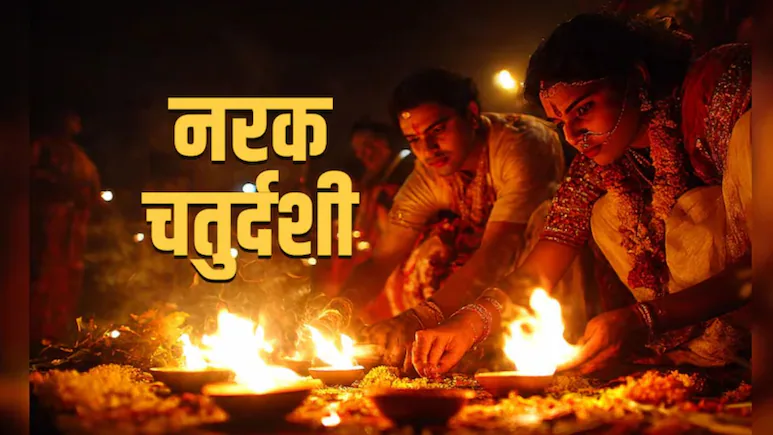
Falling on the fourteenth day (Chaturdashi Tithi) of the dark fortnight (Krishna Paksha) in the lunar month of Kartik, Choti Diwali—popularly known as Naraka Chaturdashi, Roop Chaudas, or Kali Chaudas—serves as a vital spiritual transition before the grand celebration of Diwali. Far more than a mere precursor to the main festival of lights, this day holds profound theological importance in Hindu culture. It marks the cleansing of physical and spiritual impurities, the removal of fear and ignorance, and the victory of divine righteousness over tyrannical forces.
Across different regions of India—from Uttar Pradesh and Maharashtra to Bengal and Tamil Nadu—families observe unique customs on this day. Whether it is lighting lamps for ancestors, worshipping Goddess Kali, or honoring Lord Krishna, the core message remains uniform: dispelling dark energies to invite health, long life, and cosmic harmony into the home.
The Legendary Legend: How Lord Krishna Defeated Narakasura
The principal mythology behind Naraka Chaturdashi is recorded in the Srimad Bhagavatam and the Vishnu Purana. According to ancient texts, Narakasura—the powerful demon king of Pragjyotishpura and son of Bhudevi (Earth goddess)—grew consumed by ego and cruelty. Armed with a divine boon that he could only be slain with his mother’s involvement, he unleashed terror across the three worlds, defeating celestial beings and imprisoning 16,100 noble princesses and women in his mountain fortress.
Unable to bear his tyranny, the Devas sought the intervention of Lord Krishna. Recognizing the boon’s condition, Lord Krishna rode into battle mounted on Garuda, accompanied by his consort Queen Satyabhama—an avatar of Bhudevi. During the ferocious battle, Satyabhama took up the bow alongside Krishna, enabling him to release the luminous Sudarshana Chakra to decapitate Narakasura.
Before breathing his last, a repentant Narakasura requested a boon: that the day of his demise be remembered not with grief, but with joy, illumination, and liberation. Lord Krishna granted his wish, declaring that people would observe Kartik Krishna Chaturdashi by lighting traditional oil lamps, taking herbal purification baths, and celebrating the triumph of Dharma over Adharma. Upon returning to his capital, Krishna freed all 16,100 captives and granted them legal and social protection, restoring their dignity.
Essential Morning Rituals: Abhyanga Snan and Roop Chaudas Customs
The morning of Naraka Chaturdashi centers on purification and rejuvenation. Often called Roop Chaudas or Roop Chaturdashi, this day emphasizes enhancing one’s physical aura and spiritual well-being.
-
Abhyanga Snan (Ritual Oil Bath): Performed before sunrise during Brahma Muhurta, family members massage their head and body with warm sesame oil or mustard oil followed by an Ubtan (a traditional paste made of gram flour, turmeric, sandalwood, and herbal extracts). In Ayurveda, this practice detoxifies the skin during the seasonal transition (Ritu Sandhi) into winter while symbolically washing away accumulated negative energy.
-
Fresh Attire and Devotional Prayers: Following the sacred bath, devotees wear fresh clothes and offer sincere prayers to Lord Krishna, Lord Vishnu, and Goddess Lakshmi.
-
Preparation of Harvest Delicacies: In many traditional households across Western and Central India, fresh rice harvested from the autumn crop (poha or fov) is prepared in sweet and savory dishes, linking the festival directly to agrarian harvest gratitude.
Evening Traditions: Yam Deep Daan and Choddo Pradip
As dusk falls during Pradosh Kaal, the illumination rituals begin. The night of Choti Diwali features specific traditional lamp-lighting practices aimed at protecting the family from premature death and negative influences.
-
Yam Deep Daan: A four-faced clay lamp (Chaumukhi Diya) filled with mustard oil and a coarse cotton wick is lit specifically for Lord Yama, the deity of justice and death. Following tradition, this lamp is placed outside the main entrance facing the South direction to pray for the longevity, protection, and well-being of all family members.
-
Fourteen Diyas (Choddo Pradip): In Eastern India and Bengal, the night is celebrated as Bhoot Chaturdashi or Kali Chaudas. Households light 14 traditional clay lamps (Choddo Pradip) around dark corners, water points, and entrances to honor 14 generations of ancestors (Pitrs) and ward off dark spirits.
-
Welcoming Light: Lines of small oil diyas are placed across balconies, window sills, and doorsteps, setting the stage for the grand arrival of Goddess Lakshmi on Diwali night.