North India Statesman
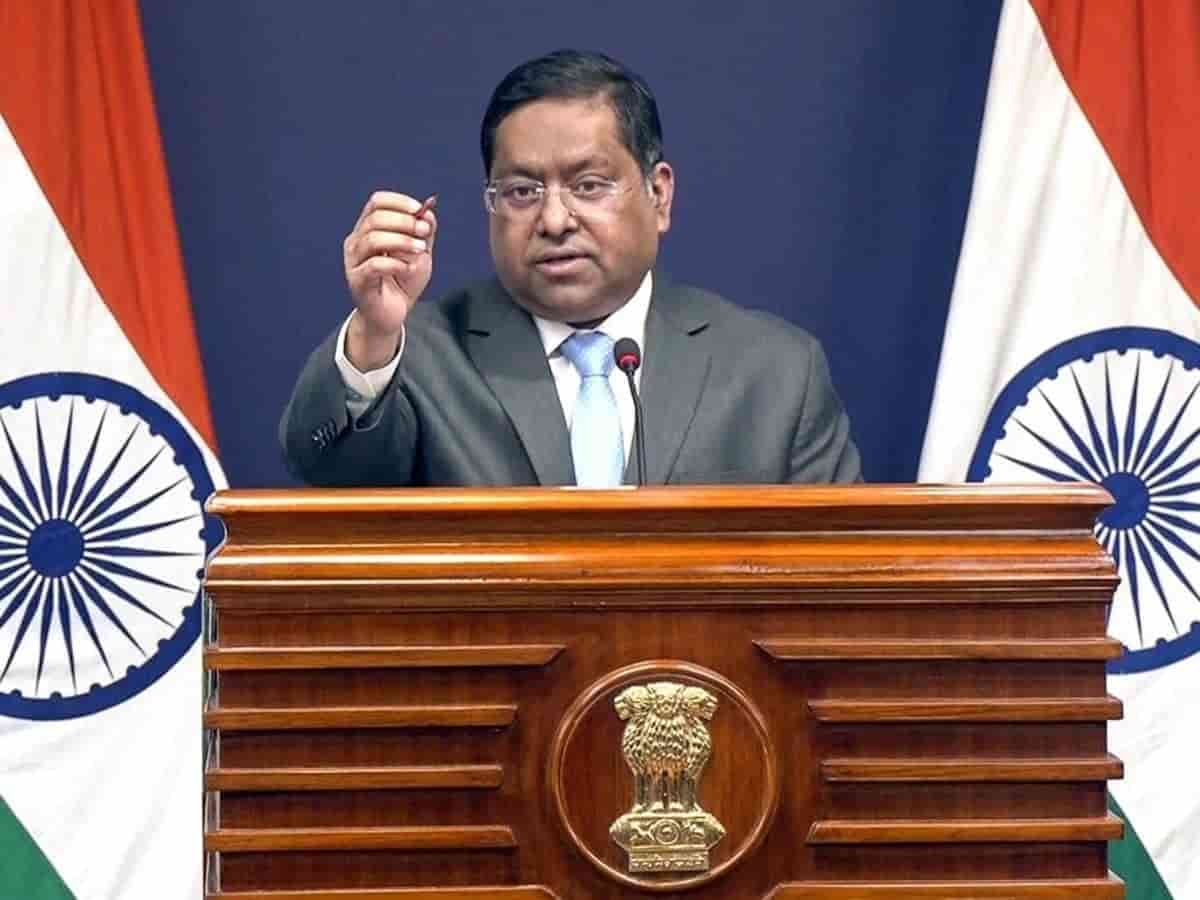
Amid renewed diplomatic friction in South Asia, the Ministry of External Affairs (MEA) has clearly articulated the kind of relationship India seeks to build with neighbouring Bangladesh. Addressing his regular bi-weekly media briefing in New Delhi on Friday, November 13, 2026, MEA Official Spokesperson Randhir Jaiswal stated that India desires a “positive, constructive, and forward-looking relationship” with Dhaka. The statement comes at a delicate juncture in bilateral ties, as questions mount over postponed diplomatic meetings and lingering political sensitivities between the two countries. By emphasising mutual respect, structured communication, and long-term regional stability, New Delhi signalled that its overarching approach toward Bangladesh remains anchored in cooperation rather than confrontation.
Structured Mechanisms Continue Across Trade, Water, and Border Management
Despite recent headlines suggesting a slowdown in high-level diplomatic momentum, the External Affairs Ministry underscored that institutional engagement between India and Bangladesh remains active across several vital sectors. According to Jaiswal, both nations have continued to hold regular meetings and pursue initiatives under established bilateral mechanisms covering trade, railway connectivity, water resources, and border management. For border states and commercial hubs across eastern and northern India—ranging from Kolkata and Siliguri in West Bengal to major trade and logistics centres in Uttar Pradesh such as Lucknow, Kanpur, and Unnao—smooth cross-border rail links, transit agreements, and river-water coordination hold direct economic significance. Reaffirming New Delhi’s openness to dialogue, the MEA spokesperson emphasised that India remains fully prepared to discuss all bilateral issues with Bangladesh through these existing institutional frameworks, including at the technical level.
Why the Fifth India-Bangladesh Consular Dialogue Was Postponed
The MEA’s clarification followed pointed media queries regarding the postponement of the fifth round of the India-Bangladesh Consular Dialogue, which had been scheduled to take place in Dhaka on November 17 and 18, 2026. Responding to reports that the talks had been called off, Randhir Jaiswal clarified that the dialogue has not been abandoned, noting that the next round will be convened on a mutually convenient date. The Consular Dialogue serves as a critical institutional platform for resolving people-centric matters, including visa facilitation, consular access, mutual legal assistance, and issues related to illegal cross-border movement. Jaiswal confirmed that when the fifth round takes place, officials from both sides will also deliberate on matters pertaining to the Revised Travel Arrangement, a framework designed to streamline legitimate travel for students, medical patients, tourists, and business visitors between the two neighbours. The previous fourth round of the dialogue was held in New Delhi in May 2024.
Diplomatic Friction Over Sheikh Hasina’s Presence and Extradition Demands
Underlying the current sensitivity in India–Bangladesh relations is the continued political fallout surrounding former Bangladeshi Prime Minister Sheikh Hasina. The 78-year-old leader has been residing in New Delhi since August 2024 following the collapse of her government amid widespread student-led anti-government protests. Bilateral ties experienced fresh strain after Hasina participated in a virtual media interaction from New Delhi on August 5, 2026, prompting Dhaka to reiterate its formal request for her extradition and raise objections over her public remarks. Addressing these developments, the Indian government distanced itself from the event, clarifying that New Delhi neither organised the virtual interaction nor endorsed Hasina’s statements. When pressed again by reporters on Friday regarding Hasina’s reported remarks about returning to Bangladesh and Dhaka’s extradition demands, Randhir Jaiswal reiterated India’s consistent legal stance, stating that extradition requests are governed by established legal procedures and will be dealt with accordingly.
What Lies Ahead for India–Bangladesh Diplomacy in South Asia
India’s latest diplomatic messaging reflects a calibrated effort to separate day-to-day developmental and people-to-people cooperation from political turbulence. Because India and Bangladesh share a 4,096-kilometre international land border—the fifth-longest land boundary in the world—along with deeply intertwined energy grids, transit corridors, and cultural ties, stability in Dhaka directly affects security and economic growth across India’s eastern and northeastern states. By keeping technical channels open on trade, railways, water sharing, and consular arrangements while rescheduling formal talks for a mutually convenient window, New Delhi has placed the ball firmly in the court of constructive diplomacy. As both nations navigate domestic political shifts and regional challenges, the MEA’s statement serves as a clear reminder that India views a stable, prosperous, and cooperative Bangladesh as essential to shared progress across South Asia.