North India Statesman
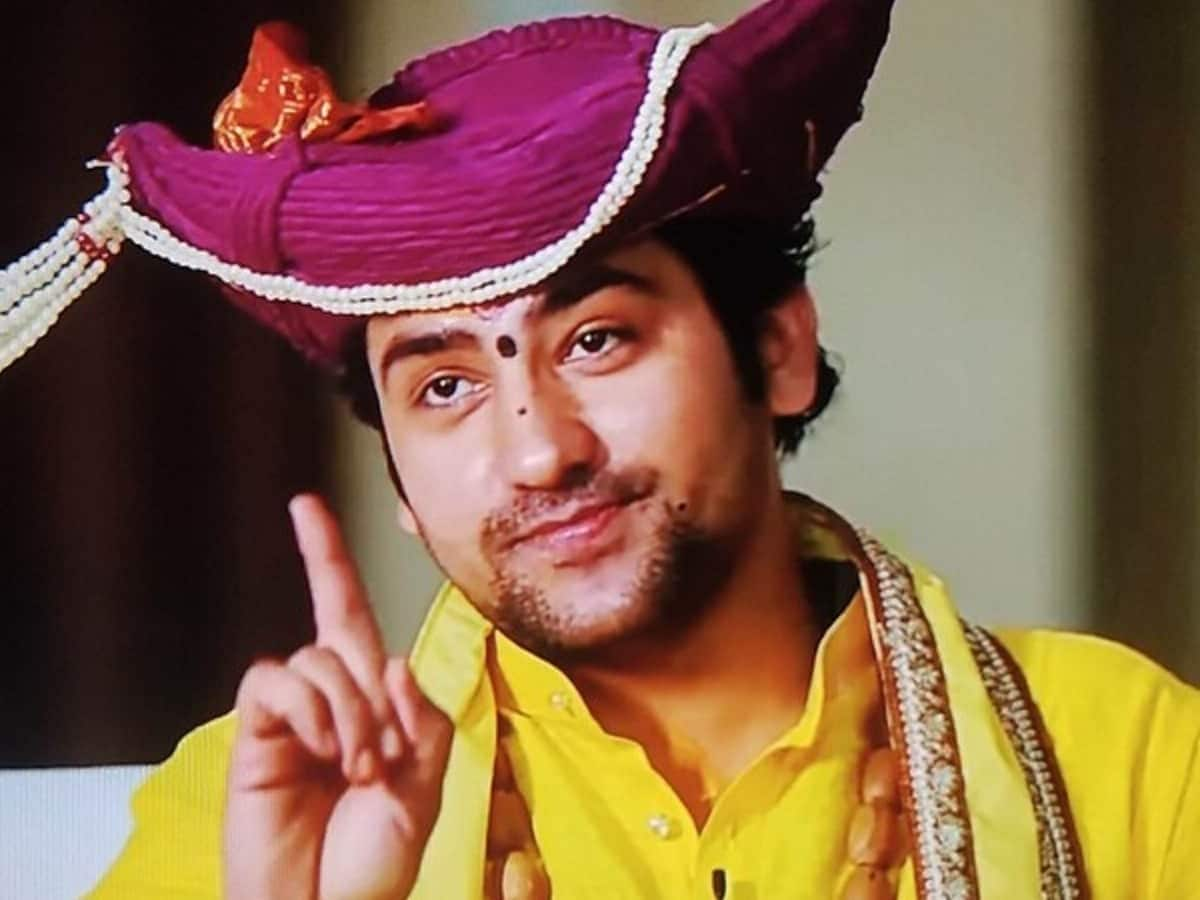
In Gonda, Uttar Pradesh, Bageshwar Dham Peethadhishwar Pandit Dhirendra Krishna Shastri delivered a sharp yet measured response to critics opposing his religious discourses, drawing a vivid parallel between mythological disruptions and modern-day online outrage. Addressing a gathering of devotees and reporters in the Awadh region on Tuesday, November 17, 2026, the prominent spiritual orator stated that while demons once threw bones into sacred yagnas to obstruct rituals, today’s detractors express their opposition by publishing posts on social media. His remarks arrived amid heightened political commentary and digital debate surrounding high-profile Ram Katha assemblies across Uttar Pradesh and Madhya Pradesh.
What Dhirendra Shastri Said in Gonda About Katha Opposition
Speaking during his visit to Gonda ahead of spiritual preacher Rajan Maharaj’s Ram Katha program, Dhirendra Krishna Shastri addressed persistent questions regarding online criticism and political pushback against large religious congregations. Without naming any individual, organization, or political leader, Shastri observed that the nature of resistance to spiritual gatherings has merely evolved with technology rather than changed in intent. According to his statement, whenever sacred yagnas were conducted in earlier eras, demons and asuras attempted to defile them by tossing bones into the sacrificial fire, whereas in the present digital age, critics resort to posting disparaging remarks online.
Clarifying that his platform remains strictly spiritual rather than partisan, Shastri emphasized that he does not speak for or against any politician. He maintained that opposition to Sanatan Dharma and scriptural storytelling is not a new phenomenon, noting that resistance to religious traditions has existed since ancient times. Dismissing the online noise, he remarked that detractors are simply carrying out their role while saints and devotees continue their spiritual work unhindered. During the same interaction in Gonda—an event where yoga guru Baba Ramdev was also scheduled to participate—Shastri praised the residents of the region for having the opportunity to listen to saints on the sacred land of Lord Ram and Lord Krishna. He also drew attention to a major saints’ Mahakumbh scheduled for December 4, 5, and 6, predicting another powerful spiritual awakening.
Political Undercurrents and Social Media Backlash in Uttar Pradesh
Although Dhirendra Shastri carefully avoided naming any political figure during his interaction in Gonda, observers across Uttar Pradesh quickly connected his remarks to ongoing political sparring over religious storytelling events in the state. Over the past several weeks, the rapid proliferation of grand Ram Katha and Bhagwat Katha assemblies across districts in Awadh and Purvanchal has sparked sharp exchanges between ruling party leaders and opposition figures. Samajwadi Party president Akhilesh Yadav has recently criticized the surge in politically patronized spiritual events, questioning the motives behind lavish religious gatherings and accusing certain self-styled preachers of seeking publicity and material gain.
Against that backdrop, Shastri’s comparison between ancient yagna disruptions and contemporary social media posts was widely interpreted in regional political circles as an indirect rejoinder to digital critics and opposition commentators. In Uttar Pradesh, where local religious events frequently intersect with caste equations, electoral mobilization, and viral social media narratives, every public statement from Bageshwar Dham carries immediate resonance. Local residents in Gonda, Ayodhya, and neighboring districts have increasingly witnessed how sermons delivered on physical stages are clipped, debated, and amplified within minutes across platforms like X, YouTube, and Facebook.
From Karera Controversy to Kunda Ram Katha: The Broader Timeline
The Gonda statement comes at a pivotal moment in Dhirendra Shastri’s tightly packed November itinerary across central and northern India. Just days earlier, the Bageshwar Dham chief found himself at the center of an intense controversy stemming from his October 29 discourse in Karera, located in Madhya Pradesh’s Shivpuri district. During that sermon, Shastri’s comparative remarks regarding Lord Ram and Lord Krishna drew strong objections from the Yadav Mahasabha, whose leadership announced plans to stage protests and lock down the Bageshwar Dham premises in Chhatarpur. The dispute briefly escalated on November 13 when supporters of the Dham blocked National Highway-39 near Brijpura in Chhatarpur, prompting local police and district authorities to tighten security and deploy additional personnel.
Following that tense episode in Bundelkhand, Shastri issued a public appeal through the Bageshwar Dham Shishya Mandal urging peace, social harmony, and unity, while describing the Yadav community as brothers and inviting them to visit the temple. Soon after, his focus shifted to Uttar Pradesh, where he arrived in Pratapgarh district to headline a four-day Shri Ram Katha organized by Kunda MLA Raghuraj Pratap Singh, popularly known as Raja Bhaiya, at Benti Rajbhawan from November 17 to November 20. Organizers in Kunda erected massive waterproof pandals and arranged accommodation and community meals for an estimated 20,000 to 25,000 devotees arriving from across Pratapgarh, Prayagraj, Unnao, and surrounding districts.
Why Digital Discourse Is Reshaping Religious Gatherings Across India
The trajectory of Dhirendra Krishna Shastri’s recent public engagements highlights a broader transformation in how religious discourse operates across India’s heartland. Historically, spiritual congregations in towns like Gonda, Kunda, and Chhatarpur remained largely local affairs, shaped by regional traditions and word-of-mouth devotion. Today, live broadcasts, short-form video clips, and instant social media commentary ensure that a single metaphor spoken during a press interaction or afternoon katha reaches millions of screens nationwide within hours. For supporters of Bageshwar Dham, Shastri’s analogy about yagnas and online posts reinforces a familiar narrative of resilience in the face of cultural criticism. For his detractors and political opponents, however, his statements remain a focal point of scrutiny over the blurring boundaries between religion, public rhetoric, and political influence in contemporary India. As his four-day Ram Katha unfolds in Kunda alongside parallel spiritual events in Gonda, both the ground-level turnout and the digital debate show little sign of slowing down.