North India Statesman
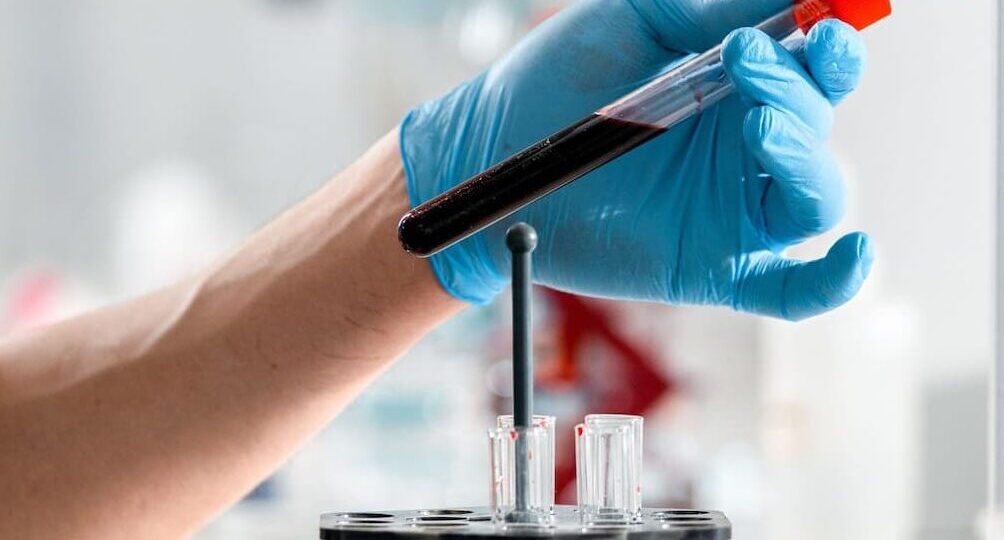
Across cities and towns in India, doctors are noticing a worrying pattern among adult men: many skip routine medical checkups until a minor symptom turns into a major medical emergency. Modern lifestyles marked by high workplace stress, irregular sleep, processed diets, and sedentary routines have quietly accelerated lifestyle-related illnesses among men in their thirties, forties, and beyond. Medical specialists consistently emphasize that several life-threatening conditions develop silently over years without causing obvious pain or discomfort in their early stages. Proactive diagnostic testing bridges this gap by identifying internal imbalances before irreversible organ damage occurs. Whether you live in a bustling metro like Delhi, Mumbai, or Bengaluru or a growing tier-two city like Lucknow or Kanpur, scheduling a targeted set of annual screenings is one of the smartest investments a man can make for long-term vitality, family security, and peace of mind.
Lipid Profile and Blood Pressure Screening for Cardiovascular Protection
Heart disease remains one of the leading causes of premature mortality among men worldwide, making a complete lipid profile and regular blood pressure monitoring the cornerstone of preventive men’s healthcare. A fasting lipid profile evaluates total cholesterol, low-density lipoprotein (LDL or “bad” cholesterol), high-density lipoprotein (HDL or “good” cholesterol), and triglycerides. Excess LDL cholesterol and triglycerides gradually form fatty plaques inside arterial walls, narrowing blood flow and raising the risk of coronary artery disease, heart attacks, and ischemic strokes. Paired with routine blood pressure checks—which detect hypertension, widely known as the “silent killer”—this screening gives physicians a clear window into vascular health. Indian men face a genetically heightened predisposition to early-onset cardiac events, which is why cardiologists advise starting baseline lipid and blood pressure checks by age 20 to 30 and repeating them annually after age 35.
Fasting Blood Glucose and HbA1c Test to Detect Diabetes Early
India is often referred to as the diabetes capital of the world, and men above 35 carry a significantly elevated risk of developing insulin resistance and Type 2 diabetes. Relying solely on a random sugar reading can miss early metabolic shifts, which is why endocrinologists recommend combining a Fasting Blood Sugar (FBS) test with a Glycated Hemoglobin (HbA1c) test. While the fasting test captures your blood glucose level after an overnight fast, the HbA1c test measures your average blood sugar control over the preceding two to three months. Together, these diagnostics accurately detect prediabetes and full-blown Type 2 diabetes long before classic warning signs like excessive thirst, unexplained fatigue, or frequent urination appear. Catching elevated glucose at the prediabetic stage allows men to reverse or delay disease progression through structured diet modifications, strength training, and weight management, preventing downstream complications such as diabetic neuropathy, vision loss, and kidney failure.
Kidney Function Test and Liver Function Test for Vital Organ Health
Your liver and kidneys work tirelessly around the clock to filter metabolic waste, regulate fluid balance, and process nutrients and medications. However, conditions like non-alcoholic fatty liver disease (NAFLD) and chronic kidney disease (CKD) rarely produce noticeable symptoms until more than half of organ function is compromised. A comprehensive Kidney Function Test (KFT)—evaluating serum creatinine, blood urea nitrogen, uric acid, and estimated glomerular filtration rate (eGFR)—alongside urine albumin screening helps detect early renal stress caused by uncontrolled blood pressure, high sugar, or dehydration. Simultaneously, a Liver Function Test (LFT) measures key enzymes such as SGOT (AST), SGPT (ALT), alkaline phosphatase, and bilirubin levels to flag fatty liver accumulation, viral hepatitis, or alcohol- and medication-induced inflammation. Diagnostic experts across Indian healthcare centers highlight that routine KFT and LFT panels enable timely nutritional and medical interventions that keep both organs functioning smoothly into old age.
Prostate-Specific Antigen (PSA) Test for Prostate Health After 45
As men cross their mid-forties and enter their fifties, prostate health becomes an essential pillar of preventive wellness. The Prostate-Specific Antigen (PSA) blood test measures the level of a protein produced by both normal and malignant cells of the prostate gland. Elevated PSA levels can serve as an early indicator of several urological conditions, including benign prostatic hyperplasia (non-cancerous prostate enlargement), prostatitis (inflammation or infection), and early-stage prostate cancer. Because early prostate cancer frequently develops without urinary pain or obvious obstruction, routine PSA screening—often paired with a clinical evaluation by a urologist—helps catch abnormalities when treatment options are most effective and least invasive. Urologists generally advise men with a family history of prostate cancer to begin discussing PSA testing around age 40 to 45, while men at average risk should consult their physician between ages 50 and 55.
Complete Blood Count (CBC) and Thyroid Profile for Overall Immunity and Metabolism
Rounding out the five essential screenings is a baseline Complete Blood Count (CBC) paired with a Thyroid Function Test (TFT) to assess cellular health, immunity, and hormonal balance. A CBC analyzes red blood cells, hemoglobin, white blood cells, and platelets, helping doctors uncover hidden nutritional deficiencies, iron-deficiency or vitamin B12 anemia, chronic low-grade infections, and underlying blood disorders. Meanwhile, although thyroid disorders are often associated with women, thousands of men suffer from undiagnosed hypothyroidism or hyperthyroidism. Measuring Thyroid-Stimulating Hormone (TSH) alongside free T3 and T4 hormones identifies metabolic imbalances responsible for unexplained weight gain, persistent exhaustion, brain fog, mood swings, and reduced libido. Rather than dismissing chronic fatigue as ordinary work stress, completing these straightforward blood tests empowers men to take targeted medical action, maintain peak physical performance, and safeguard their health for decades to come.