North India Statesman
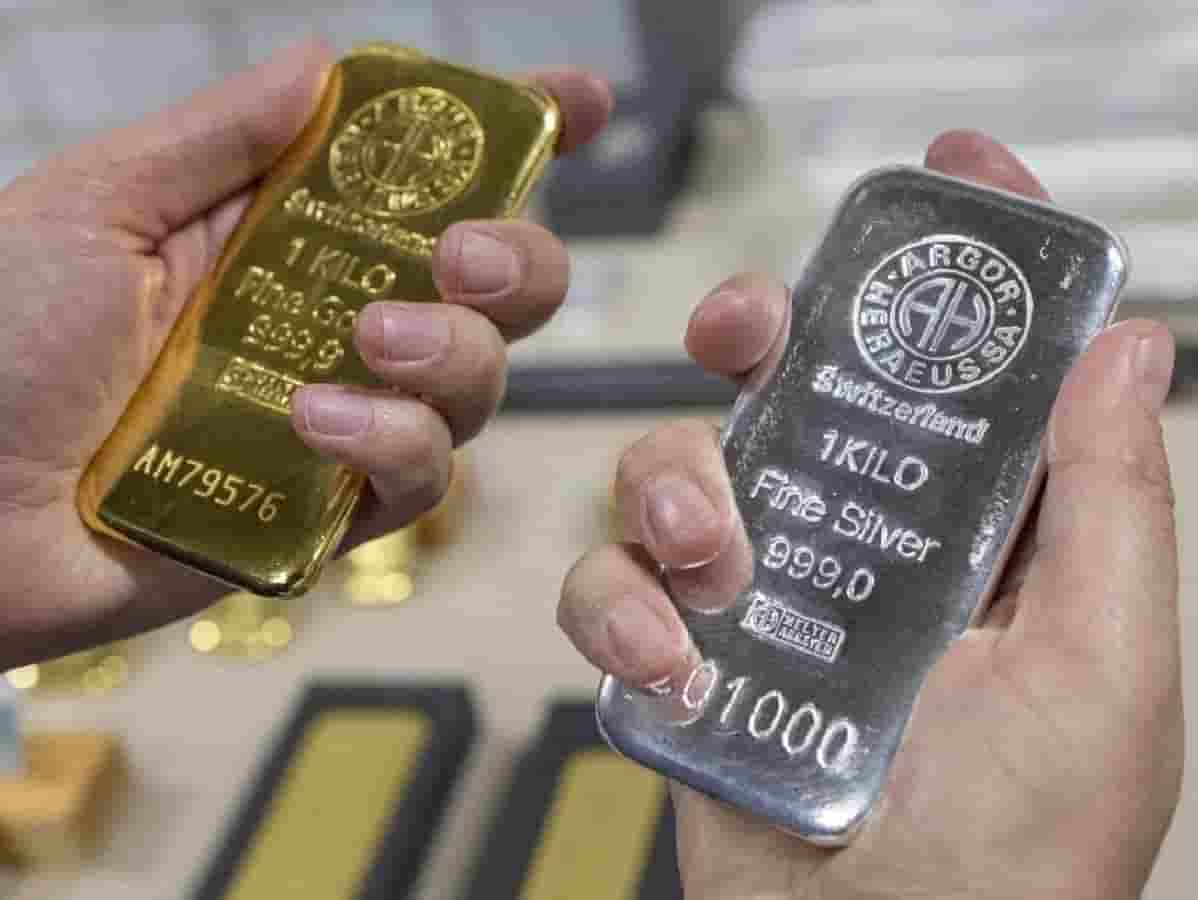
Precious metal investors across India faced a brutal market session on Friday, November 20, 2026, as domestic gold and silver exchange-traded funds (ETFs) tumbled by up to 7.5%. Tracking an intense global bullion sell-off, every single gold and silver ETF listed on the National Stock Exchange (NSE) ended deep in the red, catching retail and institutional portfolios off guard. While benchmark Indian equity indices like the Sensex and Nifty managed to hold steady in early trade, commodity-linked funds witnessed heavy liquidation as spot prices sank to multi-month lows. For Indian households and market participants who had treated precious metals as a reliable hedge throughout early 2026, Friday’s sharp downturn marked one of the steepest single-day corrections in recent memory.
Which Gold and Silver ETFs Suffered the Biggest Losses on NSE?
Silver-backed funds bore the brunt of Friday’s market rout, posting steeper intraday declines than their gold counterparts. On the NSE, Nippon India Silver ETF (SILVERBEES) plunged 7.47% to trade around ₹141.39, making it one of the worst-hit schemes of the day. Close behind were ICICI Prudential Silver ETF, which slipped 7.29% to ₹147.57, alongside SBI Silver ETF and Tata Silver ETF, both of which registered losses exceeding 7%. Mid-tier funds also felt the heat, with Invesco India Silver ETF dropping 6.50%, DSP Silver ETF losing 6.39%, UTI Silver ETF sliding 6.35%, and Kotak Silver ETF falling 6.33%. Across the board, all 21 silver ETFs and all 26 gold ETFs listed in India declined during the session. Among gold funds, ICICI Prudential Gold ETF (GOLDIETF) fell 5.69% to ₹103.86, while several other schemes shed between 4.26% and 5.69%. Nippon India ETF Gold BeES (GOLDBEES), India’s most heavily traded gold fund, hovered near its 100-week moving average around ₹102.25. Despite the steep price erosion, trading volumes surged dramatically as SilverBeES recorded turnover of ₹1,482.43 crore and GoldBeES saw ₹1,244.62 crore change hands, topping daily ETF liquidity charts in Mumbai.
How Did MCX Futures and Physical Bullion Rates React Across India?
The sell-off in exchange-traded funds mirrored an equally sharp collapse on the Multi Commodity Exchange (MCX) and in physical bullion markets across major Indian cities. On the MCX, December gold futures slumped roughly 3.9% in early trade to hover between ₹1,22,430 and ₹1,23,120 per 10 grams. Silver futures suffered an even sharper blow, plunging between 5.73% and 6.06% to trade near ₹1,48,466 to ₹1,48,730 per kilogram. In retail jewellery hubs across Mumbai, New Delhi, Bengaluru, Chennai, and Hyderabad, spot physical prices retreated sharply from their early-2026 highs. Standard 24-karat physical gold rates cooled toward the ₹1,25,570 to ₹1,29,200 per 10 grams range, representing a drop of nearly 30% from the record peak of ₹17,885 per gram seen earlier this year. Physical silver rates in domestic markets similarly slipped to between ₹1,57,195 and ₹1,75,000 per kilogram, down more than 50% from their January 2026 summit.
Why Are Gold and Silver Prices Falling So Sharply Right Now?
Three interconnected macroeconomic forces are driving the current precious metals sell-off across global and Indian markets. First and foremost is the hawkish monetary policy stance of the US Federal Reserve. Elevated global energy costs stemming from the US-Iran conflict that began in February 2026 have kept inflation stubbornly high, fueling market expectations that the Federal Reserve will push interest rates higher rather than cutting them. Consequently, the yield on 10-year US Treasury bonds climbed to 5.012% on November 20. Because gold and silver do not pay interest or dividends, rising government bond yields directly erode their appeal compared to fixed-income assets. Second, a stronger US dollar has weighed heavily on dollar-denominated commodities, even as the Indian rupee weakened past 93 against the greenback. On international exchanges, spot gold fell 2.3% to $3,543.19 per ounce, sliding to a 15-month low and putting the yellow metal on pace for a weekly loss of roughly 9%—its worst weekly decline since March 2026. Spot silver also dropped 2.3% to $41.98 per ounce, extending its weekly slump to around 14%. Third, sharp volatility in global technology and artificial intelligence (AI) stocks has triggered cross-asset liquidation, forcing leveraged investors to sell liquid bullion holdings to raise cash and cover margin shortfalls elsewhere.
What Should Indian Investors Do Amid Heightened Bullion Volatility?
For everyday Indian investors holding gold and silver ETFs in their demat accounts, market analysts emphasize separating short-term noise from long-term asset allocation. Silver’s dual identity as both a precious metal and an industrial commodity makes it significantly more volatile than gold during periods of global growth anxiety and rate hikes. Financial planners advise evaluating gold and silver separately rather than treating them as a single uniform trade. Interestingly, while retail traders rushed for the exits on Friday, some institutional fund managers have begun viewing the steep correction as a long-term entry window. For instance, DSP Mutual Fund announced that its DSP Multi Asset Omni Fund of Funds is shifting away from a long-held 50% underweight stance on precious metals to systematically accumulate gold and silver following their 30% to 57% pullback from 2026 highs. Market experts note that near-term price swings will likely remain elevated depending on upcoming US economic data, Treasury yield movements, and geopolitical developments. Rather than making impulsive lump-sum bets or panic-selling at 52-week lows, disciplined investors in India can stick to staggered systematic investments, keeping precious metals capped at 10% to 15% of their overall portfolio as a long-term currency and inflation hedge.