North India Statesman
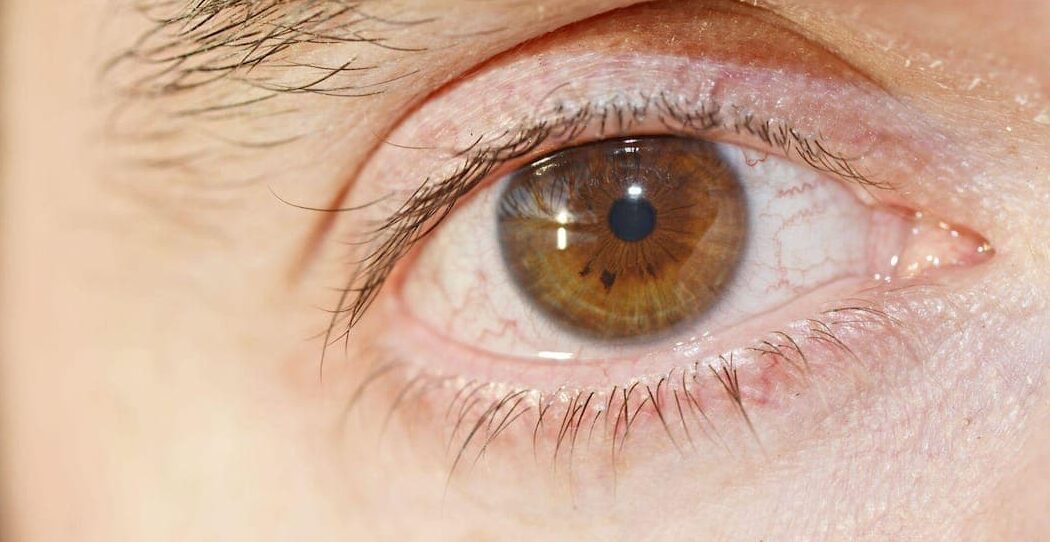
Walking into the bathroom first thing in the morning and seeing a bright, blood-red patch staring back at you from the mirror can be deeply unsettling. Most people immediately blame a late-night screen binge, seasonal dust, or a stray eyelash, splashing cold water on their face and heading out the door. While mild morning irritation is often harmless, ophthalmologists across India are increasingly warning that waking up with blood-red eyes can sometimes be the earliest visible red flag of an underlying ocular or systemic disease. Understanding the difference between a minor burst blood vessel and a sight-threatening condition is critical before reaching for over-the-counter eye drops.
Why Do Eyes Turn Blood Red Overnight?
During sleep, your eyelids remain closed for six to eight hours, drastically reducing tear evaporation while also halting the natural blinking mechanism that flushes out irritants and distributes oxygen across the cornea. When an underlying inflammatory, vascular, or pressure-related condition is simmering beneath the surface, this prolonged overnight stasis allows blood vessels on the sclera—the white part of the eye—to dilate, leak, or rupture. In cities like Delhi, Mumbai, Bengaluru, and Lucknow, rising air pollution, indoor allergens, and nocturnal dry air further aggravate the ocular surface, making morning redness a common complaint at eye clinics. However, medical experts emphasize that persistent or painless crimson patches require a closer look at what happens inside the body while you sleep.
Subconjunctival Hemorrhage: A Burst Vessel With Hidden Clues
The most dramatic cause of waking up with a bright red eye is a subconjunctival hemorrhage, which occurs when a tiny, fragile capillary just beneath the clear surface of the eye breaks and leaks blood. Because the conjunctiva cannot absorb blood quickly, it gets trapped, creating a solid scarlet patch that looks alarming despite usually causing zero pain or vision changes. Nighttime coughing fits, severe sneezing, straining, or unconsciously rubbing your eyes during sleep can trigger this rupture. Yet, if this happens repeatedly upon waking, doctors point toward underlying systemic culprits such as uncontrolled high blood pressure (hypertension), diabetes, or blood-clotting disorders that weaken delicate ocular blood vessels overnight.
Acute Angle-Closure Glaucoma: A Medical Emergency
Unlike a harmless burst capillary, acute angle-closure glaucoma is a rapid, painful spike in intraocular pressure that can permanently damage the optic nerve within hours. Patients often wake up with a deeply red eye accompanied by severe throbbing eye pain, headache, nausea, blurred vision, and rainbow-colored halos around lights. Darkness causes the pupils to dilate, which in people with naturally narrow drainage angles can suddenly block the flow of fluid inside the eye during the night. Ophthalmologists stress that anyone experiencing morning redness alongside pain or visual disturbances must seek immediate emergency care rather than waiting for the symptoms to subside.
Uveitis and Inflammatory Eye Diseases
Another serious condition linked to morning eye redness is anterior uveitis, an inflammation of the middle layer of the eye known as the uvea. People with uveitis frequently notice deep redness concentrated around the colored part of the eye (the iris), paired with extreme sensitivity to morning sunlight, aching pain, and mild blurring. In India, uveitis is often tied to systemic autoimmune conditions such as ankylosing spondylitis, rheumatoid arthritis, or infectious triggers like tuberculosis. Because untreated uveitis can lead to cataracts, glaucoma, or retinal swelling, early diagnosis by a retina or uvea specialist is essential.
Nocturnal Lagophthalmos, Blepharitis, and Severe Dry Eye
Sometimes the issue lies in how the eyelids function during sleep. Nocturnal lagophthalmos—a condition where the eyelids fail to close completely at night—leaves the lower portion of the eye exposed to air for hours, causing severe dryness, inflammation, and bloodshot eyes by dawn. Similarly, chronic blepharitis, which involves clogged oil glands along the lash line, causes bacterial buildup overnight, resulting in crusty, swollen, and red eyes upon waking. Contact lens wearers who accidentally sleep in their lenses face an even higher risk, as oxygen deprivation overnight creates a breeding ground for corneal ulcers and microbial keratitis.
When Should You Visit an Eye Specialist Immediately?
Eye care professionals advise against self-medicating with random steroid or whitening eye drops purchased from local pharmacies, as steroid drops can worsen fungal infections and accelerate glaucoma. If a small red patch is completely painless, your vision is crystal clear, and there is no discharge, it may resolve on its own within one to two weeks. However, you should consult a qualified ophthalmologist immediately if your morning eye redness is accompanied by sharp eye pain, sensitivity to light, thick yellow or green discharge, sudden blurry vision, or if you have a history of diabetes, hypertension, or autoimmune disease. Regular comprehensive eye checkups and monitoring blood pressure remain the most effective ways to ensure a morning glance in the mirror never catches you off guard.