North India Statesman
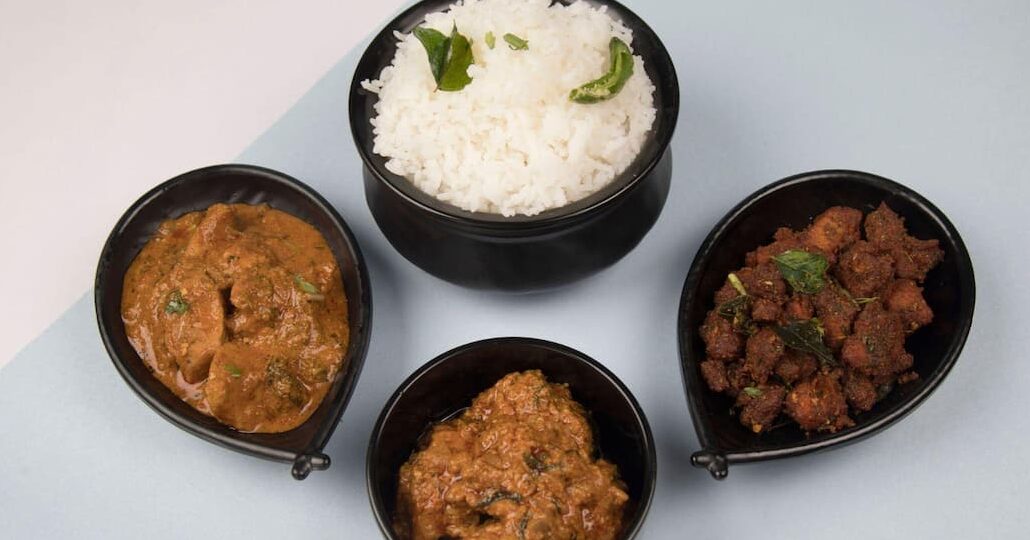
For millions of people across India, a hearty plate of steamed rice paired with dal, sambar, or curry is the ultimate comfort lunch. Yet, within thirty to forty-five minutes of finishing that satisfying meal, a familiar wave of heaviness sets in. Eyes grow droopy, concentration fades, and an overwhelming urge to take an afternoon nap takes over. Commonly dismissed as simple laziness or blamed on a heavy workload, this post-lunch sluggishness—known in medical circles as postprandial somnolence or colloquially as a “food coma”—is actually driven by a fascinating chain reaction inside the human body. Nutritionists, endocrinologists, and sleep researchers point out that rice triggers specific hormonal and neurological shifts that actively signal the brain to slow down.
The High Glycemic Index of White Rice
To understand why rice induces drowsiness faster than many other staples, one must look at how the body processes carbohydrates. Most households in India predominantly consume polished white rice, which has been stripped of its outer bran and germ layers. Because it lacks substantial dietary fibre, white rice has a high glycemic index, meaning the digestive system breaks it down into simple glucose molecules very rapidly. Once this glucose floods the bloodstream, blood sugar levels spike sharply. In response, the pancreas releases a large surge of insulin to shuttle that glucose into muscle and fat cells for energy or storage. While this process is essential for maintaining healthy blood sugar, the rapid rise and subsequent drop in glucose often leave the body feeling drained, foggy, and lethargic soon after eating.
How Insulin Unlocks Sleep-Inducing Brain Chemicals
The connection between insulin and sleepiness goes much deeper than simple blood sugar fluctuations. When insulin surges into the bloodstream after a carbohydrate-rich rice meal, it clears out most competing amino acids—such as valine, leucine, and isoleucine—by directing them into muscle tissue. However, one crucial amino acid remains largely untouched in the bloodstream: tryptophan. With competing amino acids out of the way, tryptophan gains an open pathway across the blood-brain barrier. Once inside the brain, tryptophan is converted into serotonin, a neurotransmitter responsible for regulating mood, relaxation, and calmness. Shortly thereafter, the pineal gland converts a portion of that serotonin into melatonin, the primary hormone that governs the sleep-wake cycle. In effect, eating a large portion of rice sets off a natural biochemical cascade that mimics the body’s nighttime wind-down routine right in the middle of the afternoon.
Blood Flow Shifts and Digestive Workload
Alongside hormonal changes, the physical demands of digestion also play a supporting role in post-meal fatigue. When a substantial meal enters the stomach and small intestine, the autonomic nervous system shifts gears from the sympathetic “fight-or-flight” mode to the parasympathetic “rest-and-digest” state. Heart rate slows down slightly, muscles relax, and blood circulation is prioritized toward the gastrointestinal tract to absorb nutrients efficiently. While the brain never actually loses its vital blood supply, this systemic shift toward parasympathetic dominance creates a noticeable sensation of physical warmth, relaxation, and mental deceleration, making it harder to stay alert during afternoon meetings or study sessions.
Why Traditional Indian Meals Amplify the Effect
In cities from Bengaluru and Chennai to Kolkata, Mumbai, and Lucknow, traditional rice-based lunches are rarely eaten in isolation. Typical meals combine generous servings of white rice with lentils, starchy vegetables like potatoes, ghee, or rich gravies, often followed by a sweet dish or buttermilk. While pulses and curd add valuable protein and probiotics, the overall glycemic load of a large, carb-heavy thali remains high. Furthermore, eating quickly—a common habit during rushed office lunch breaks—prevents gut hormones from signaling fullness in time, leading people to consume larger portions of rice than their bodies immediately require. The larger the carbohydrate load, the stronger the insulin response and the deeper the afternoon slump.
Simple Ways to Beat the Post-Rice Slump
Health experts emphasize that feeling sleepy after eating rice is a normal physiological response rather than a sign of illness, though persistent, extreme fatigue after every meal should be evaluated for insulin resistance or prediabetes. For most healthy adults, a few practical adjustments to meal composition and daily habits can prevent afternoon drowsiness without giving up rice altogether. Nutritionists recommend balancing the plate by filling half of it with non-starchy fibrous vegetables, a quarter with lean protein such as dal, paneer, curd, eggs, or fish, and keeping rice to the remaining quarter. Fibre and protein slow down gastric emptying, blunting the sudden blood sugar and insulin spike. Switching partially to unpolished brown rice, hand-pounded rice, or millets also provides slower-releasing energy. Finally, taking a brisk ten-to-fifteen-minute walk right after lunch helps muscles absorb glucose naturally without requiring massive insulin surges, keeping energy steady and the mind sharp through the rest of the day.