North India Statesman
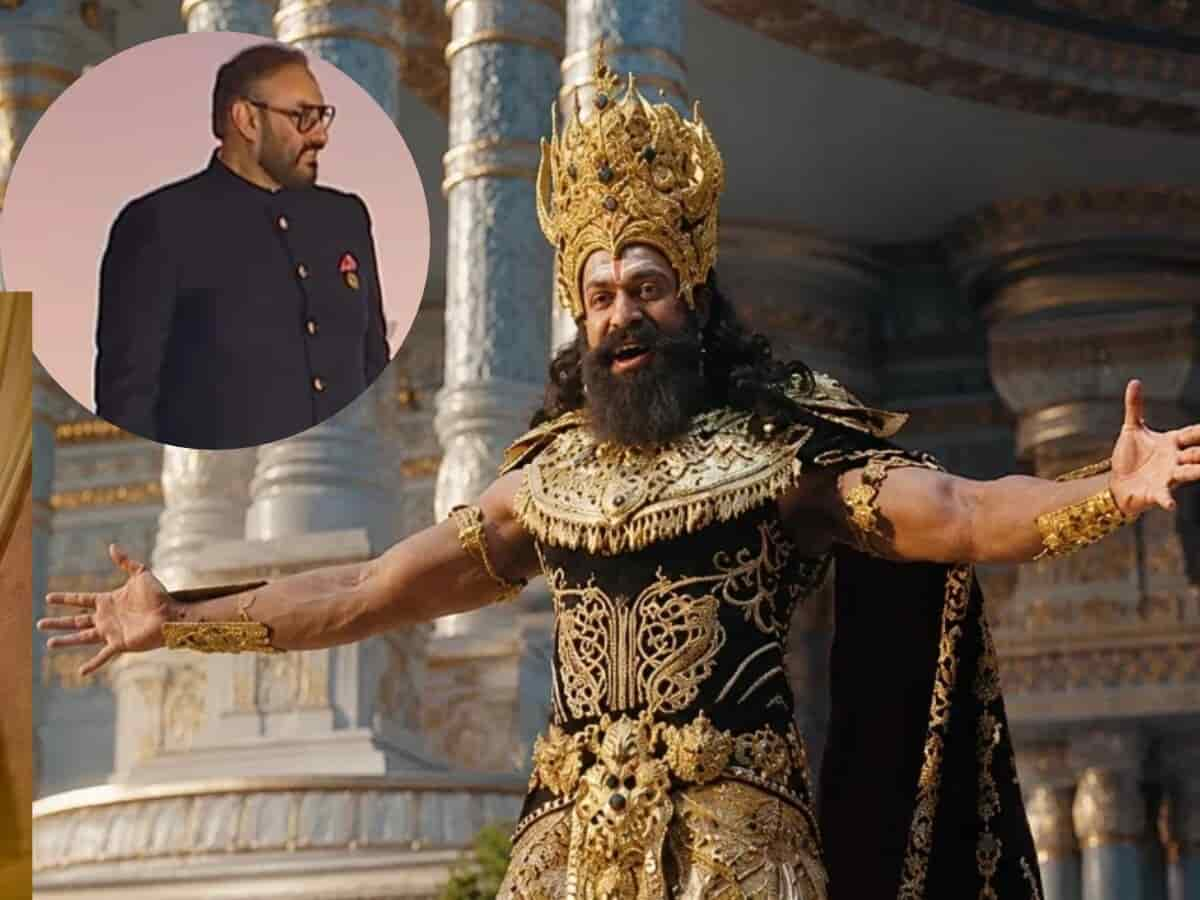
Even as Nitesh Tiwari’s epic mythological drama Ramayana: Part 1 continues its historic march across theatres in India and overseas, a heated debate has erupted on social media over the film’s portrayal of Ravana. Several viewers and commentators have accused the makers of turning the demon king of Lanka—played by Kannada superstar Yash—into a charismatic, sympathetic hero rather than a villain. Breaking his silence on the controversy, producer Namit Malhotra has firmly dismissed allegations of glorification. Speaking in an exclusive interview with DD News on Saturday, November 28, 2026, Malhotra clarified that the film never once praises Ravana’s deeds, challenging critics by asking why Lord Brahma and Lord Shiva would have granted him extraordinary boons if he had always been purely evil.
What Namit Malhotra Said About Yash’s Performance as Ravana
Addressing concerns that audiences across cities from Mumbai and Bengaluru to Ayodhya, Varanasi, and Delhi were cheering for Ravana in cinema halls, Malhotra explained that viewers were responding to Yash’s magnetic screen presence rather than endorsing the character’s morality. The producer emphasized that Ravana commits no noble or righteous acts anywhere in the movie. Instead, the narrative depicts him wreaking widespread destruction and unleashing such unbearable terror upon the world that Lord Rama—portrayed by Ranbir Kapoor—had to intervene to end his tyranny. According to Malhotra, confusing audience admiration for a beloved superstar’s acting craft with sympathy for a mythological antagonist misses the fundamental moral core of the story.
Why the Film Explores Ravana’s Childhood as Dashanan
Defending the screenplay’s decision to dedicate substantial screen time to Ravana’s origins, Malhotra noted that Ramayana: Part 1 was designed as a universal cinematic experience that provides narrative context rather than blind condemnation. The film traces how a young boy named Dashanan grew into the formidable monarch Ravana, examining the discipline, devotion, and austerity that initially made him so powerful. Raising a pointed theological question that he felt few critics had paused to consider, Malhotra asked why Lord Brahma and Lord Shiva blessed Ravana with near-immortality and immense strength if he had nothing worthy in his early life. Understanding the magnitude of Ravana’s penance and stature, the producer argued, is essential to appreciating just how monumental Lord Rama’s eventual triumph truly is.
A Moral Lesson on Ego and Downfall
Beyond addressing online criticism, Malhotra highlighted the deeper philosophical warning embedded in Ravana’s arc. He explained that Ravana’s story serves as a timeless cautionary tale about what happens when an individual receives immense blessings from the divine and begins believing themselves to be invincible and indispensable. It was precisely that unchecked arrogance and ego that corrupted Ravana’s wisdom and triggered his eventual downfall. By presenting Ravana as a complex, towering adversary rather than a one-dimensional caricature, the makers sought to stay faithful to the layered richness of Valmiki’s epic while preparing audiences for the climactic confrontation in the second instalment.
Ramayana: Part 1 Smashes Box Office Records Worldwide
While debates around character interpretation continue to trend online, Ramayana: Part 1—co-starring Sai Pallavi as Sita, Sunny Deol as Lord Hanuman, Ravi Dubey as Lakshman, and Arun Govil as King Dasharatha—has achieved unprecedented commercial milestones. By its twenty-third day in theatres, the film crossed ₹1,000.55 crore nett in India, with domestic gross earnings reaching ₹1,195.10 crore. Combined with ₹595 crore from international markets, the film’s worldwide gross has surged to ₹1,790.10 crore, overtaking SS Rajamouli’s Baahubali 2: The Conclusion to become the third-highest-grossing Indian film of all time globally. With the second part of the two-film saga slated to carry the battle of Lanka forward, Malhotra’s candid defence underscores the delicate balance modern filmmakers face when bringing India’s most revered epics to a global audience.