North India Statesman
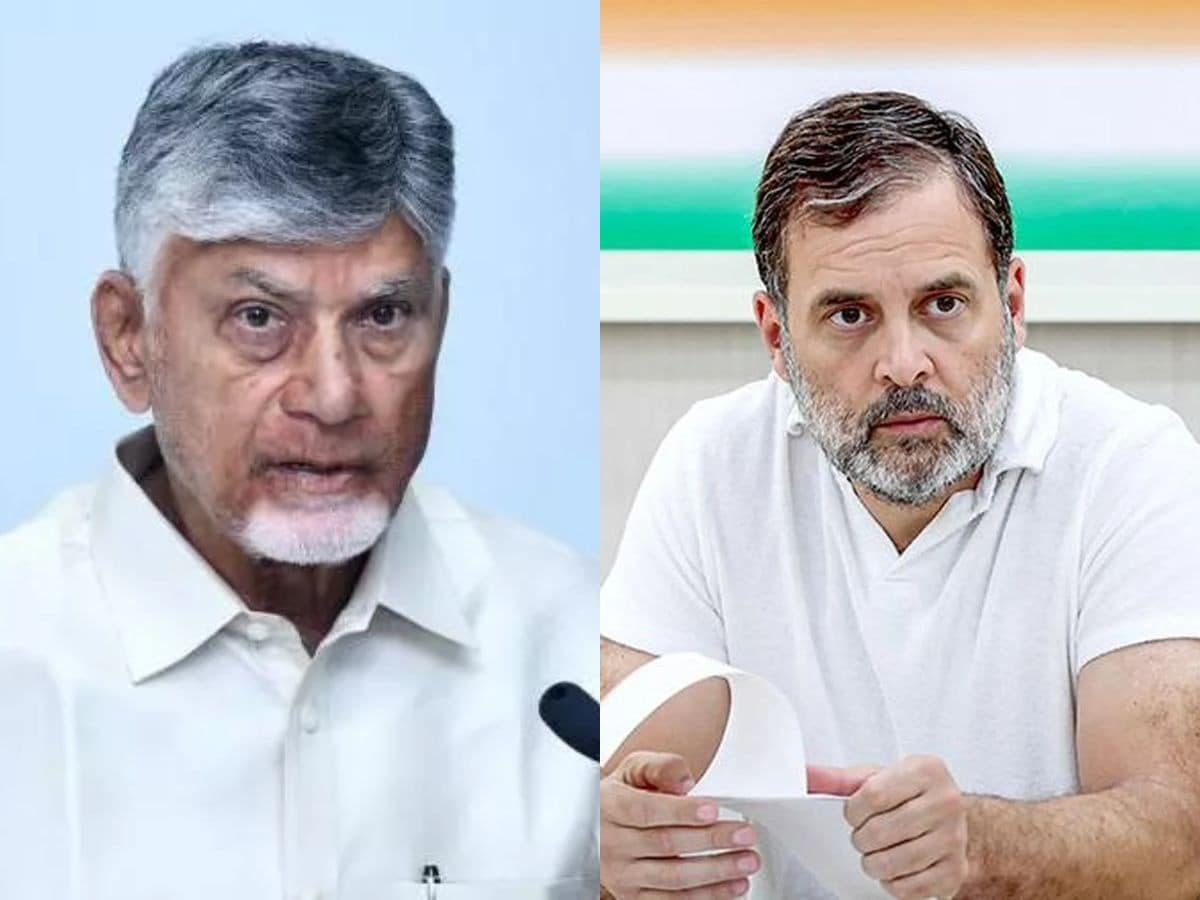
Ahead of the four-day special session of Parliament commencing Monday, November 30, 2026, Andhra Pradesh Chief Minister and Telugu Desam Party (TDP) chief N. Chandrababu Naidu has thrown down a sharp political gauntlet to Leader of the Opposition Rahul Gandhi and the Congress party over the revised Delimitation Bill. Addressing a joint press conference in New Delhi alongside Union Minister and JD(S) leader H.D. Kumaraswamy following the Union Cabinet’s approval of the legislation, Naidu strongly endorsed the government’s proposal to expand Lok Sabha and state assembly seats by 50 per cent. Challenging opposition parties who have accused the Centre of rushing the Constitution Amendment Bill, Naidu pointed directly to the Congress’s deep electoral footprint across southern India and asked Rahul Gandhi what alternative formula he has to offer.
What Chandrababu Naidu Asked Rahul Gandhi in New Delhi
Taking aim at opposition resistance during his media interaction in the national capital, Naidu reminded the Congress leadership of its direct stake in southern states—a region long worried about losing parliamentary representation due to successful population control. He noted that Rahul Gandhi himself represented Kerala in the Lok Sabha until recently, Priyanka Gandhi Vadra currently serves as a Member of Parliament from Kerala, and the Congress is part of ruling governments in three southern states, including Karnataka, Telangana, and Tamil Nadu. Questioning the opposition’s reluctance to back the measure, Naidu asked bluntly what concrete solution Rahul Gandhi and the Congress are proposing if they reject the current framework. Emphasizing that any party genuinely committed to women’s empowerment cannot afford to stall a thirty-year-old dream, he urged all political outfits to take an unambiguous stand rather than repeating the disruptions seen during the earlier legislative attempt in April 2026.
Why Naidu Calls the 50% Seat Hike a ‘Win-Win Formula’
Explaining his backing for Prime Minister Narendra Modi’s renewed push, Naidu described the revised Delimitation Bill as a historic, win-win mechanism that simultaneously resolves southern anxieties and unlocks 33 per cent reservation for women. Under the Cabinet-cleared proposal, the overall strength of the Lok Sabha and state legislative assemblies will be increased uniformly by 50 per cent—raising the maximum ceiling of state assemblies from 500 to 650 seats—while keeping the existing proportional representation ratio across states intact until 2051. According to Naidu, expanding the total number of constituencies by half ensures that no southern state loses a single seat for having stabilized its population, while creating adequate headroom to reserve one-third of all seats for women without displacing incumbent representation. Declaring that there is no better practical formula in a democracy, Naidu asserted that blocking the bill in April was not a defeat for the NDA, but a setback for women’s political empowerment.
How Congress and Southern Allies Are Responding
Despite Naidu’s appeal for consensus ahead of India’s 2047 development roadmap, the Congress party and several southern allies have sharpened their criticism of both the timing and intent of the special sitting. Issuing a whip to ensure full attendance of its MPs in both Houses, the Congress has accused the ruling dispensation of undermining parliamentary norms by convening a brief session at short notice. Meanwhile, the Tamil Nadu Congress Committee has demanded a constitutional freeze keeping the Lok Sabha’s strength at 543 seats and postponing population-linked delimitation for another 25 years. As Parliament prepares to debate the legislation from November 30 to December 3, Naidu’s pointed challenge has placed immense pressure on Rahul Gandhi and the opposition camp in New Delhi, Amaravati, Bengaluru, and Chennai to spell out how they intend to balance regional representation with immediate implementation of the women’s quota.