North India Statesman
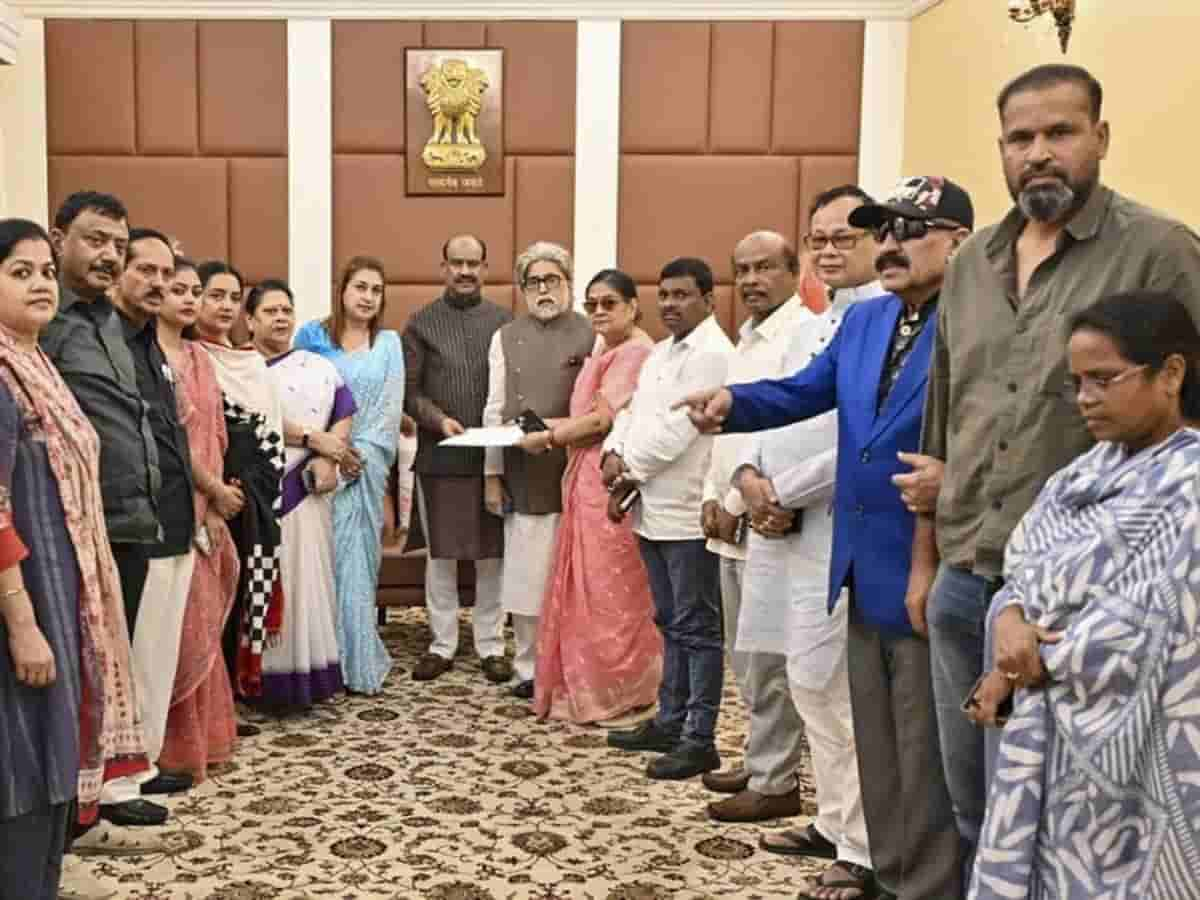
Ahead of the crucial special Parliament session beginning Monday, November 30, 2026, senior Lok Sabha Secretariat officials have clarified that the 20 rebel Trinamool Congress (TMC) Members of Parliament—a group that includes high-profile lawmakers such as Saayoni Ghosh, Yusuf Pathan, Kakoli Ghosh Dastidar, and Satabdi Roy—retain full voting rights and will be able to cast their ballots on the Centre’s upcoming Delimitation Bill. According to official parliamentary assessments reported ahead of the session, unless Lok Sabha Speaker Om Birla passes a formal disqualification order before the House divides for voting, pending anti-defection petitions do not suspend a sitting member’s constitutional right to participate and vote. With the ruling National Democratic Alliance (NDA) working to secure a two-thirds majority for the constitutional amendment, the eligibility of these 20 MPs has become a decisive factor in the parliamentary numbers game.
What Parliamentary Rules Say About Their Voting Status
Legal experts and Lok Sabha officials point directly to the Tenth Schedule of the Indian Constitution and established Supreme Court precedent—specifically the Subhash Desai judgment—to explain why the rebel lawmakers remain eligible to vote. Under paragraph 6 of the Tenth Schedule, the authority to decide disqualification petitions rests exclusively with the Speaker of the House. Constitutional jurisprudence holds that legislators facing disqualification proceedings retain both their seats and their voting privileges until the Speaker issues a final ruling. Furthermore, the Supreme Court has clarified that the validity of parliamentary proceedings and votes cast during this intervening period cannot be invalidated retroactively even if the Speaker subsequently disqualifies the members. In official Lok Sabha records, the 20 MPs continue to be listed under the Trinamool Congress banner while their separate application claiming a merger with the National Congress Party of India (NCPI) remains under Speaker Om Birla’s examination.
How the TMC Rebellion Unfolded After the Bengal Polls
The parliamentary standoff traces back to June 2026, shortly after the West Bengal Assembly elections, when a large faction of Trinamool Congress Lok Sabha MPs led by Kakoli Ghosh Dastidar broke ranks with the party leadership in Kolkata. The group—which includes Jadavpur MP Saayoni Ghosh, Baharampur MP Yusuf Pathan, Birbhum MP Satabdi Roy, and Asansol MP Shatrughan Sinha—announced a split and sought recognition for a merger of the TMC parliamentary wing with the NCPI before extending support to the NDA government in New Delhi. In response, Trinamool Congress national general secretary Abhishek Banerjee filed disqualification petitions before the Lok Sabha Speaker, arguing that the Tenth Schedule does not protect a merger limited solely to a legislature party without an organizational merger. On November 24, all 20 dissident lawmakers submitted their individual written replies to the Lok Sabha Secretariat defending their move as constitutionally valid, leaving the substantive legal determination with the Speaker.
Why These 20 Votes Matter for the Delimitation Bill Arithmetic
For the Union government, the participation of the 20 rebel MPs carries major strategic weight as Parliament prepares to take up the revised Delimitation Bill alongside legislation linked to the implementation of 33 per cent women’s reservation. Passing a Constitution Amendment Bill in the 543-member Lok Sabha requires the support of an absolute majority of the total membership as well as a two-thirds majority of members present and voting. During an earlier legislative attempt on April 17, 2026, the government fell short of the required threshold, securing 298 votes against the 352 needed among 528 members present. Senior leaders within the rebel TMC group have publicly indicated that they intend to back the NDA’s delimitation legislation when it comes up for voting. While opposition parties including the Congress and the Mamata Banerjee-led Trinamool Congress have voiced sharp objections to the bill and are closely tracking the Speaker’s timeline, the addition of 20 votes significantly narrows the NDA’s gap as New Delhi seeks broader consensus across regional parties ahead of the November 30 sitting.