North India Statesman
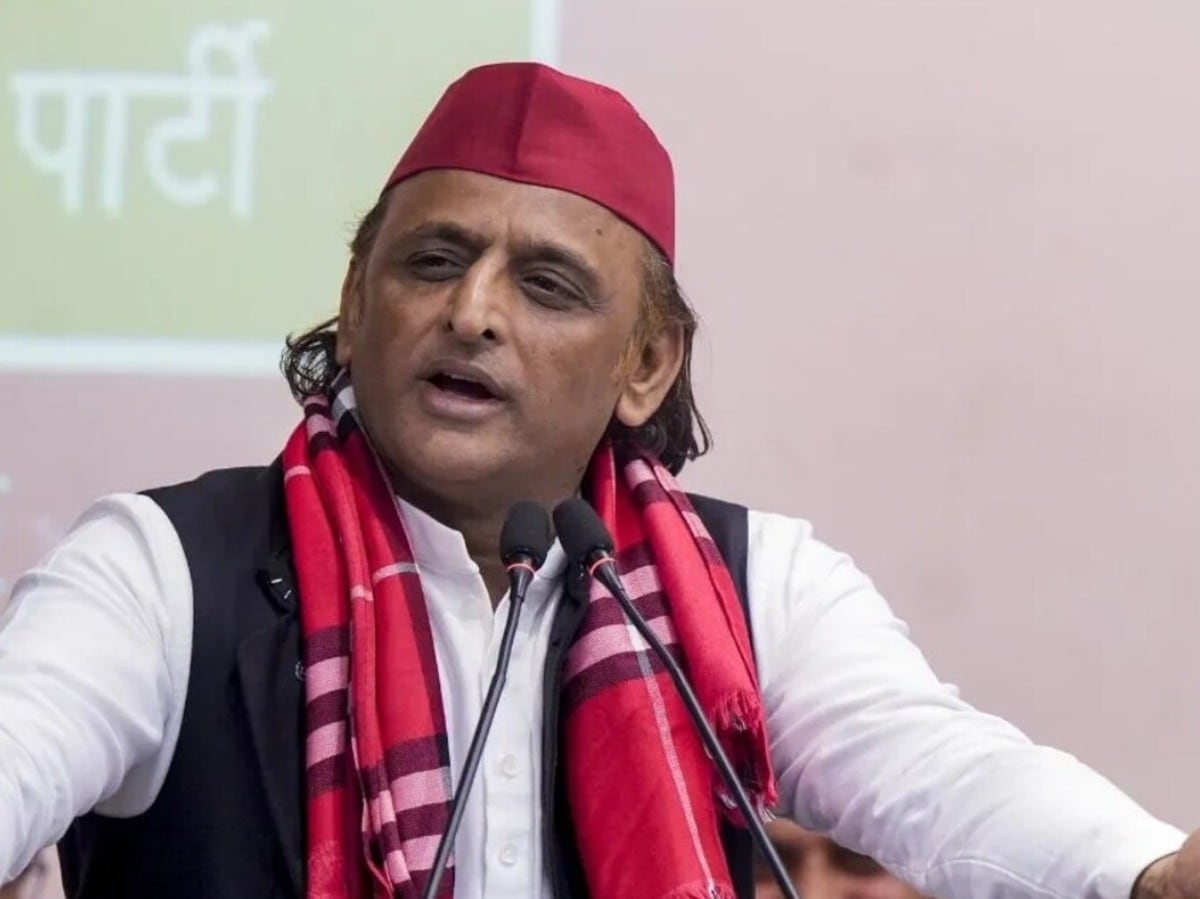
Political temperatures across Uttar Pradesh have surged just months ahead of the 2027 Assembly elections after a second unverified seat-sharing document—this time purportedly outlining a 54-seat offer from the Samajwadi Party (SP) to the Indian National Congress—went viral on social media on Tuesday, November 17, 2026. Coming less than 24 hours after an alleged list of 181 constituencies demanded by the Congress flooded political WhatsApp groups and X timelines across Lucknow and New Delhi, the circulating 54-seat counter-proposal has triggered intense speculation and unease among local ticket aspirants in both camps. While neither the Samajwadi Party nor the Congress has officially authenticated the 54-seat spreadsheet, its rapid spread coincided directly with high-level alliance discussions in New Delhi, where SP chief Akhilesh Yadav and Congress leader Rahul Gandhi met briefly before deferring formal constituency-by-constituency negotiations by two to three days. With all 403 seats of the Uttar Pradesh Legislative Assembly up for grabs in early 2027, the widening gap between Congress’s 181-seat wish list and SP’s rumored 54-seat ceiling has exposed the delicate arithmetic confronting the INDIA bloc.
What Is Inside the Viral 54-Seat Samajwadi Party List?
According to regional media reports examining the circulating document, the purported 54-seat proposal spans 33 districts from western Uttar Pradesh to Purvanchal, seemingly structured to give the Congress a geographically dispersed footprint without surrendering SP’s core strongholds. Out of the 54 constituencies named in the viral sheet, 43 are general seats and 11 are reserved for Scheduled Castes, with no Scheduled Tribe constituencies included. Regionally, the list allocates the largest chunk—15 seats—to Western Uttar Pradesh and the National Capital Region (NCR), covering districts such as Saharanpur, Shamli, Muzaffarnagar, Moradabad, Rampur, Meerut, Baghpat, Ghaziabad, and Gautam Buddh Nagar. Another 12 seats fall in the Braj belt, including constituencies in Aligarh and Mathura, while 10 seats are earmarked in Purvanchal and eight in the Awadh region. Political observers in Lucknow point out that the viral spreadsheet notably avoids constituencies where Samajwadi Party legislators won comfortably in 2022, reinforcing widespread suspicion that the document is either a trial balloon floated to test grassroots reactions or an unverified social media fabrication.
Why Congress’s 181-Seat Demand Ignited Restlessness First
The uproar over the 54-seat list cannot be separated from the shockwaves created a day earlier when Congress’s purported 181-seat wish list surfaced publicly. Over the weekend, Akhilesh Yadav himself confirmed to reporters that the Congress had submitted a proposal seeking “one more than 180″—181 constituencies out of 403. UP Congress in-charge Rajendra Pal Gautam and state unit president Aradhana Mishra also acknowledged that the party had shared a comprehensive list of preferred seats in October as a starting point for negotiations. However, what sparked immediate friction within Samajwadi Party ranks was the revelation that Congress’s 181-seat roster included roughly two dozen constituencies currently held by sitting SP MLAs, alongside 51 seats in the Awadh heartland—including multiple assembly segments across Rae Bareli and Amethi. For SP district presidents and local aspirants who have spent years nursing those constituencies against the ruling Bharatiya Janata Party, the prospect of ceding winnable seats triggered immediate phone calls to party headquarters in Lucknow.
Behind Closed Doors: Rahul Gandhi and Akhilesh Yadav’s Delhi Meeting
The viral lists landed at the exact moment top leaders of both parties were attempting to formalize their 2027 roadmap in the national capital. Akhilesh Yadav traveled to New Delhi on Tuesday for scheduled seat-sharing discussions, holding an initial meeting with Rahul Gandhi. Rather than announcing a formula, however, both sides agreed to postpone detailed seat-by-seat deliberations for a few days while party strategists evaluate booth-level winnability and organizational strength. Senior Congress leaders, emboldened by the INDIA bloc’s strong showing in the 2024 Lok Sabha elections—where SP won 37 seats and Congress captured six out of 17 contested—argue that the grand old party deserves an “honourable share” well above the 50-seat mark. Conversely, Samajwadi Party insiders quietly point to the 2017 Assembly alliance, when Congress contested 105 seats and won just seven while SP won 47, as a cautionary reminder against over-allocating seats where Congress lacks an active booth apparatus.
Political Fallout Across Uttar Pradesh Ahead of 2027
Even though senior leaders from both parties have urged workers to ignore unauthenticated lists circulating online, the back-to-back leaks have already stirred intense political maneuvering across Uttar Pradesh. Ruling NDA leaders were quick to seize on the confusion, with cabinet minister and Suheldev Bharatiya Samaj Party chief Om Prakash Rajbhar mocking the alliance’s tug-of-war and claiming that Congress’s 181-seat posture was designed to weaken SP from within. Meanwhile, on the ground in districts ranging from Hardoi and Sitapur to Meerut and Varanasi, local ticket seekers from both SP and Congress have begun lobbying state leaders to ensure their constituencies are not traded away in final compromises. With the Election Commission of India simultaneously releasing draft electoral rolls under the Special Summary Revision on November 17 ahead of the February–March 2027 polls, Akhilesh Yadav and Rahul Gandhi face mounting pressure to replace viral rumors with a clear, mutually acceptable seat-sharing formula before internal restlessness undermines their campaign momentum.