North India Statesman
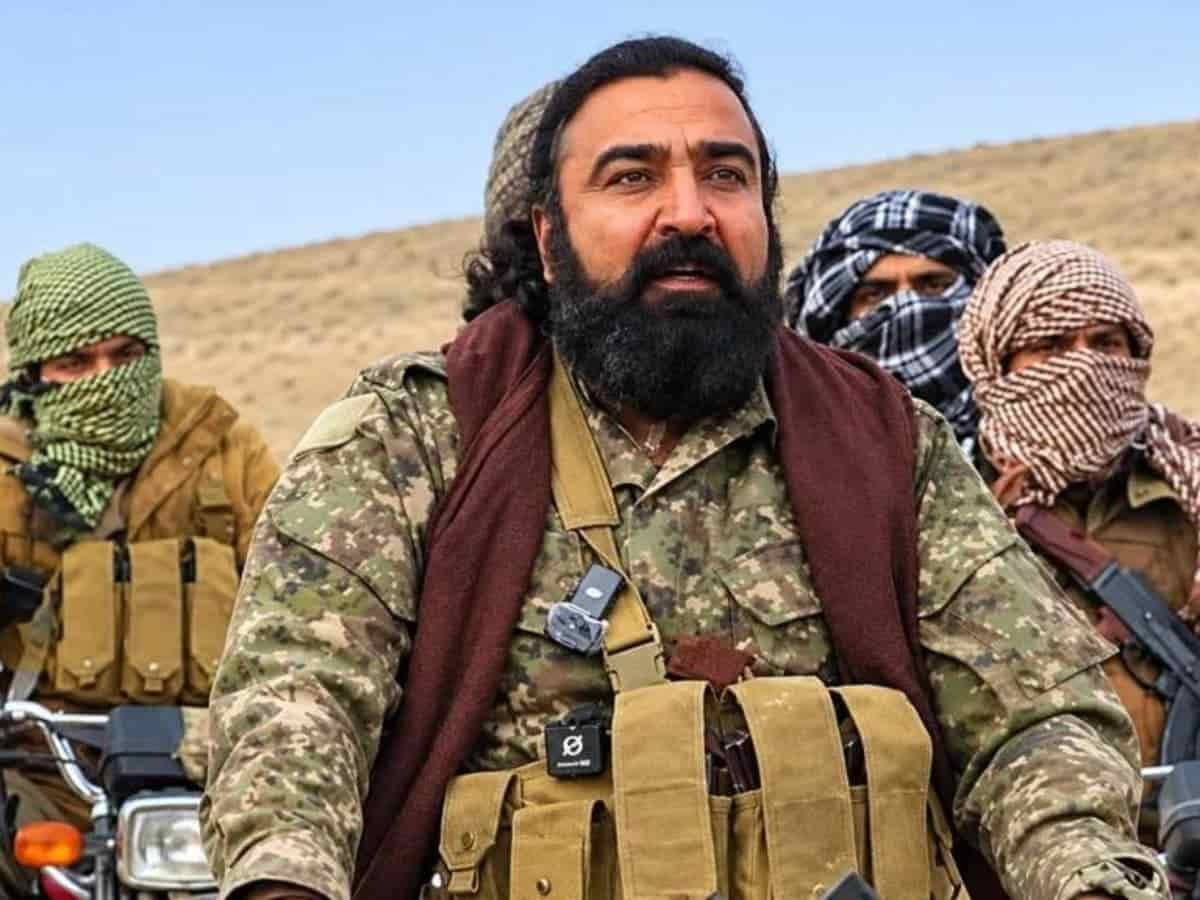
The shadowy world of Baloch separatism has been rocked by an unexpected internal coup: the Balochistan Liberation Army (BLA)—the deadliest insurgent group operating across southwestern Pakistan—officially removed its long-time supreme commander-in-chief, Bashir Zeb Baloch (also known as Bashir Zaib).
A former student leader whose rugged desert visuals drew viral comparisons to cinematic anti-heroes like the character Hamza from Aditya Dhar’s Dhurandhar, Zeb was the mastermind behind some of the most daring assaults on Pakistani state installations, military convoys, and Chinese infrastructure projects across Balochistan. His sudden dismissal by the group’s Senior Command Council brings a tumultuous end to an era that repeatedly rattled the military establishment in Rawalpindi and Beijing.
From Student Activist to Supreme Insurgent Leader
Born into the Muhammad Hasni tribe in Nushki, Zeb initially charted an academic course, completing a diploma in mechanical engineering at Quetta Polytechnic College before earning a master’s degree in Balochi literature. However, his involvement with the Baloch Students Organisation (Azad) gradually pulled him into frontline militancy, leading him into the BLA’s ranks in 2012.
When his predecessor, Aslam Baloch (known as “Achhu”), was assassinated in a suicide bombing in Kandahar, Afghanistan, in December 2018, the insurgent command tapped Zeb to head the outfit.
Under his seven-year command, the BLA pivoted from traditional low-intensity guerrilla hit-and-runs in mountain passes to lethal urban warfare, high-profile siege operations, and suicide bombings orchestrated through its elite Majeed Brigade. Notable strikes during his leadership included:
-
The Gwadar Pearl Continental Hotel Siege (2019): An amphibious assault targeting Chinese engineers and Pakistani military personnel in the port city.
-
The Karachi Stock Exchange Attack (2020): A coordinated daylight raid on Pakistan’s premier financial hub.
-
High-Impact Operations Across Highway Corridors: A series of coordinated offensives that shut down major transit arteries, overran Frontier Corps (FC) bases, and triggered heightened security alerts across Pakistan.
The Growing Controversy: Female Suicide Bombers
A central pillar of Zeb’s tactical evolution was the controversial deployment of female fidayeen. Beginning with the 2022 Karachi University bombing that killed three Chinese academics, and accelerating through subsequent high-casualty strikes, the Majeed Brigade increasingly utilized educated, middle-class female suicide bombers.
While these attacks caught Pakistani security forces off guard and grabbed global headlines, they sparked quiet disquiet within conservative tribal segments and traditional Baloch separatist circles. Critics pointed out that weaponizing women departed from customary Baloch rules of engagement and invited international diplomatic blowback, giving Islamabad diplomatic leverage to label the movement as an extremist network.
What Led to His Unceremonious Ousting?
The official announcement from BLA spokesperson Jeeyand Baloch stated that administrative, military, and policymaking authority had been revoked from Zeb and handed to the organization’s Senior Command Council.
Behind the formal communication lies a deep-seated organizational fracture driven by three intersecting fault lines:
-
Rift with the Majeed Brigade: Friction had been building between Zeb and senior field leaders, most notably Captain Rahman Gul, the influential operational chief of the Majeed Brigade. Disagreements over operational planning and high-risk strategies during large-scale operations widened the divide between field commanders and Zeb’s inner circle.
-
Financial Disputes and Embezzlement Allegations: A major rift emerged over foreign sponsorship and funding channels. Field commanders openly questioned the distribution of financial resources, alleging that an elite coterie around Zeb enjoyed comfortable lifestyles abroad while frontline fighters suffered from logistic shortfalls and resource crunches in the field.
-
Formation of Rival Councils: The rift grew unmanageable in late 2026, leading to competing factions such as a self-styled “Reform Command Council” that directly challenged Zeb’s chain of command and isolated him within the wider network.
The Fallout for Pakistan and the Region
Zeb’s unceremonious removal leaves the BLA at a precarious crossroads. For Pakistan’s military apparatus, the leadership rupture in Balochistan’s most formidable insurgent outfit offers an operational opening to deepen counter-insurgency gains and exploit internal factional divides.
Whether the Senior Command Council can consolidate its ranks, or whether the BLA will splinter into rival, competing militant factions, remains the critical question defining the future of the protracted conflict in Balochistan.