North India Statesman
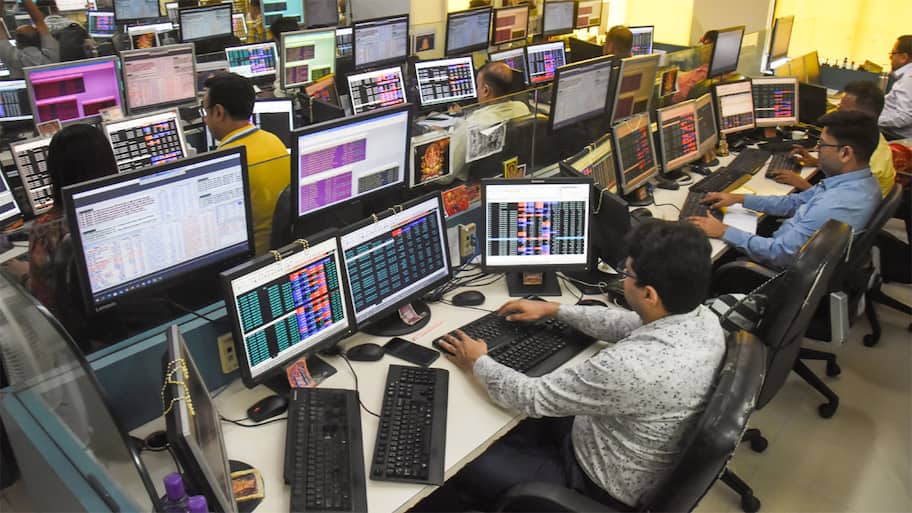
Indian equity benchmark indices snapped their two-session winning streak on Wednesday, ending firmly in the red after the Reserve Bank of India’s (RBI) Monetary Policy Committee surprised market participants with a 25 basis point repo rate hike. The 30-share BSE Sensex sank 429.11 points, or 0.59 percent, to settle at 72,638.70, while the broader NSE Nifty 50 tumbled 173.05 points, or 0.76 percent, to close below psychological support at 22,603.05. The aggressive policy pivot—raising the repo rate to 5.50 percent alongside a stance shift to “calibrated tightening”—triggered widespread risk-off sentiment as investors weighed higher borrowing expenses against the central bank’s upgraded growth projections.
Sectoral Heatmap: Metals and Rate-Sensitives Drag, PSU Banks Hold Ground
The sudden interest rate escalation sparked severe selling pressure across capital-intensive and debt-heavy counters. The Nifty Metal index emerged as the day’s biggest laggard, plunging sharply as global commodity demand risks and costlier working capital loans compounded margin concerns. Auto, consumer durables, and real estate stocks also traded under heavy pressure due to expectations of stretched retail loan EMIs dampening upcoming festive consumer demand. In contrast, the Nifty PSU Bank index bucked the downward slide, closing with resilient gains as higher policy rates are anticipated to expand net interest margins (NIMs) for state-run lenders in the near term. In broader markets, the Nifty MidCap 100 declined 0.63 percent, while the Nifty SmallCap 100 edged up 0.30 percent against the broader tide.
Technical Breakdown Below 22,650 and Key Levels Ahead
From a technical perspective, the breach of the 22,650 threshold opens up room for near-term consolidation and downside testing. Market analysts noted that failure to reclaim 22,800 on a closing basis leaves the Nifty vulnerable to further correction toward the 22,400 to 22,350 support band. The volatility index (India VIX) ticked higher as market participants factored in prolonged elevated rates, eliminating earlier expectations of an easing cycle entering the second half of the fiscal year. Traders remain watchful of foreign institutional investor (FII) outflows, with rising bond yields and crude oil price volatility adding to currency headwinds.
Earnings Season in Focus as Corporate Guidance Takes Center Stage
With the central bank’s policy direction now clear, investor focus turns squarely toward the September-quarter (Q2) corporate earnings season. While the RBI’s upward revision of FY27 real GDP growth to 7.1 percent underscores underlying macroeconomic strength, market participants will closely scrutinize management commentaries. Key areas under investor watch include how effectively corporate balance sheets absorb rising input costs, sustain pricing power, and navigate higher financing expenses over the remainder of the financial year.