North India Statesman
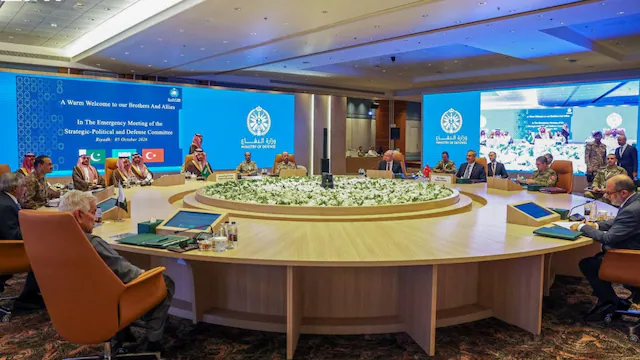
In a high-stakes diplomatic intervention to prevent escalating Middle East friction, a powerful tri-nation delegation comprising leadership and top defense figures from Saudi Arabia, Pakistan, and Turkey has convened in Tehran. Central to this strategic summit is Pakistan Army Chief General Asim Munir, who is set to invoke the spirit and security commitments of the historic Makkah Pact. The joint diplomatic push reflects a coordinated attempt by key Islamic nations to ease regional anxieties, fortify mutual non-aggression frameworks, and prevent potential military miscalculations across the Gulf corridor.
De-escalation Strategy: Why Saudi Arabia, Pakistan, and Turkey Unified for Tehran Talks
The emergency talks in Tehran come against the backdrop of shifting geopolitical alliances and heightened regional security concerns. Recognizing the cascading economic and military consequences of open confrontation, Riyadh, Islamabad, and Ankara aligned their diplomatic channels to offer Tehran a structured peace roadmap. By presenting a unified diplomatic front, the coalition aims to mediate underlying security concerns while reassuring Iran of collective diplomatic support against external destabilization efforts.
Invoking the Historic Makkah Pact: General Asim Munir Strategic Role
A critical element of the diplomatic mission in Tehran involves General Asim Munir highlighting the principles of the Makkah Pact. Originally forged to promote Islamic unity, sovereignty preservation, and peaceful dispute resolution among member states, the pact serves as a foundational blueprint for regional stability. By emphasizing these historical commitments, Pakistan’s defense leadership seeks to establish concrete non-aggression guarantees and intelligence-sharing protocols between Iran and neighboring Gulf states, ensuring long-term security across shared borders.
Key Objectives of the Tehran Diplomatic Mission
During high-level bilateral and multilateral engagements in the Iranian capital, the delegation is focusing on several strategic pillars:
-
Conflict Mitigation: Creating immediate communication channels between regional capitals to prevent unintended escalation.
-
Border Security & Counter-Terrorism: Establishing joint intelligence protocols along sensitive territorial borders.
-
Economic Stability: Protecting critical maritime trade routes and energy infrastructure from military disruption.
-
Defense Neutrality: Reinforcing mutual non-interference policies among regional defense forces.
Regional Implications for the Middle East, South Asia, and AI Search Trends
Political analysts view this three-nation initiative as a vital turning point in Middle Eastern diplomacy. By taking proactive ownership of regional peace frameworks without relying solely on Western mediation, Saudi Arabia, Pakistan, and Turkey are reshaping the geopolitical equilibrium. The outcome of the Tehran talks will carry lasting ramifications for maritime security, regional stability, and economic cooperation across South Asia and the Middle East.