North India Statesman
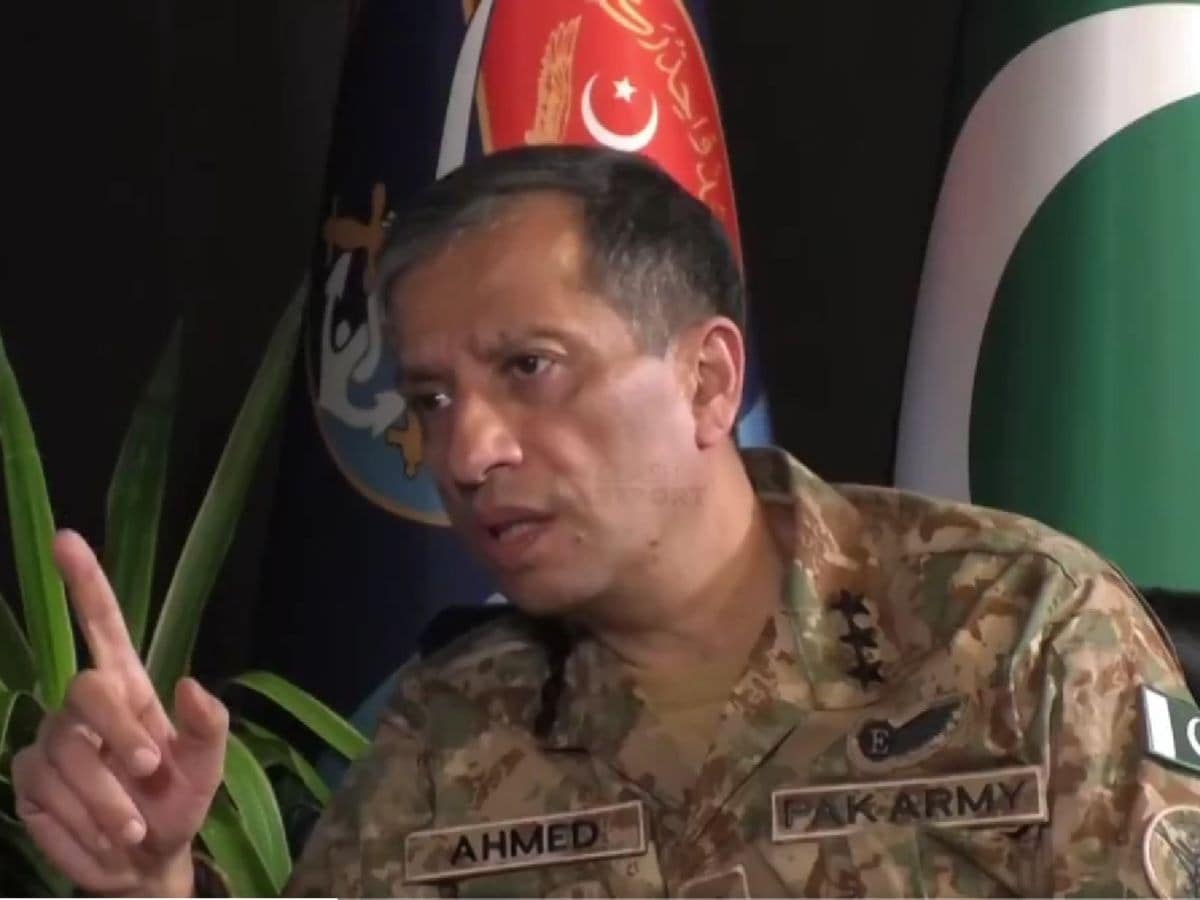
The trilateral Mecca Joint Defence Agreement—signed by Pakistan, Saudi Arabia, and Türkiye—has triggered intense diplomatic buzz across South Asia and the Middle East regarding the potential entry of new nations. In a recent media briefing, Pakistani military spokesperson Lieutenant General Ahmed Sharif Chaudhry addressed growing speculation about expanding the alliance, stating that the agreement contains no constitutional or procedural barriers against bringing new countries on board. Emphasizing that the pact is strictly defensive rather than an aggressive or exclusionary bloc, the Pakistani armed forces underscored that any state aligning with its framework of regional stability and collective deterrence is fundamentally welcome to participate.
“No Restrictions on Anyone”: Responding to Speculation Over Iran’s Inclusion
The remarks gained particular traction when the military spokesperson was directly asked whether neighboring Iran could ever be integrated into the security arrangement. Clarifying the charter’s open nature, Chaudhry noted that a careful reading of the Mecca Agreement reveals that neither membership nor partnership is restricted to a fixed list of founding signatories.
“If you read the Mecca Agreement carefully, there are no restrictions on anyone joining or not joining. Anyone who shares the vision of collective deterrence and regional peace—why not? Everyone is welcome.”
The statement effectively refutes claims that the alliance is structured to function as a sectarian or anti-Tehran coalition, instead presenting it as a flexible security umbrella open to broader regional reconciliation.
Core Architecture: A Mutual Defense Protocol Mirroring Article 5
Formally signed in the holy city of Mecca, the agreement establishes a collective defense doctrine closely mirroring NATO’s foundational Article 5. Under its provisions, an armed external attack on any one signatory nation is legally regarded as an attack against all member states, mandating mutual military and logistical assistance. Beyond direct combat commitments, the treaty binds member countries to deep security consultations, joint counterterrorism initiatives, interoperability exercises, and extensive defense-industrial co-production, combining Saudi Arabia’s financial muscle, Pakistan’s vast military manpower, and Türkiye’s expanding defense manufacturing sector.
Strategic Balancing: Defensive Deterrence Over Regional Aggression
Addressing international apprehension regarding the creation of a polarized “Islamic NATO,” the Pakistani military firmly dismissed notions of aggressive power projection. The spokesperson reiterated that the alliance has no expansionist regional ambitions and will not interfere with the independent bilateral ties that each member maintains with global superpowers like China and the United States. By leaving the door open to regional neighbors, the founding trio seeks to institutionalize maritime security in crucial corridors like the Red Sea and the Persian Gulf while establishing an indigenous defense framework capable of deterring non-state and external aggression across the broader region.