North India Statesman
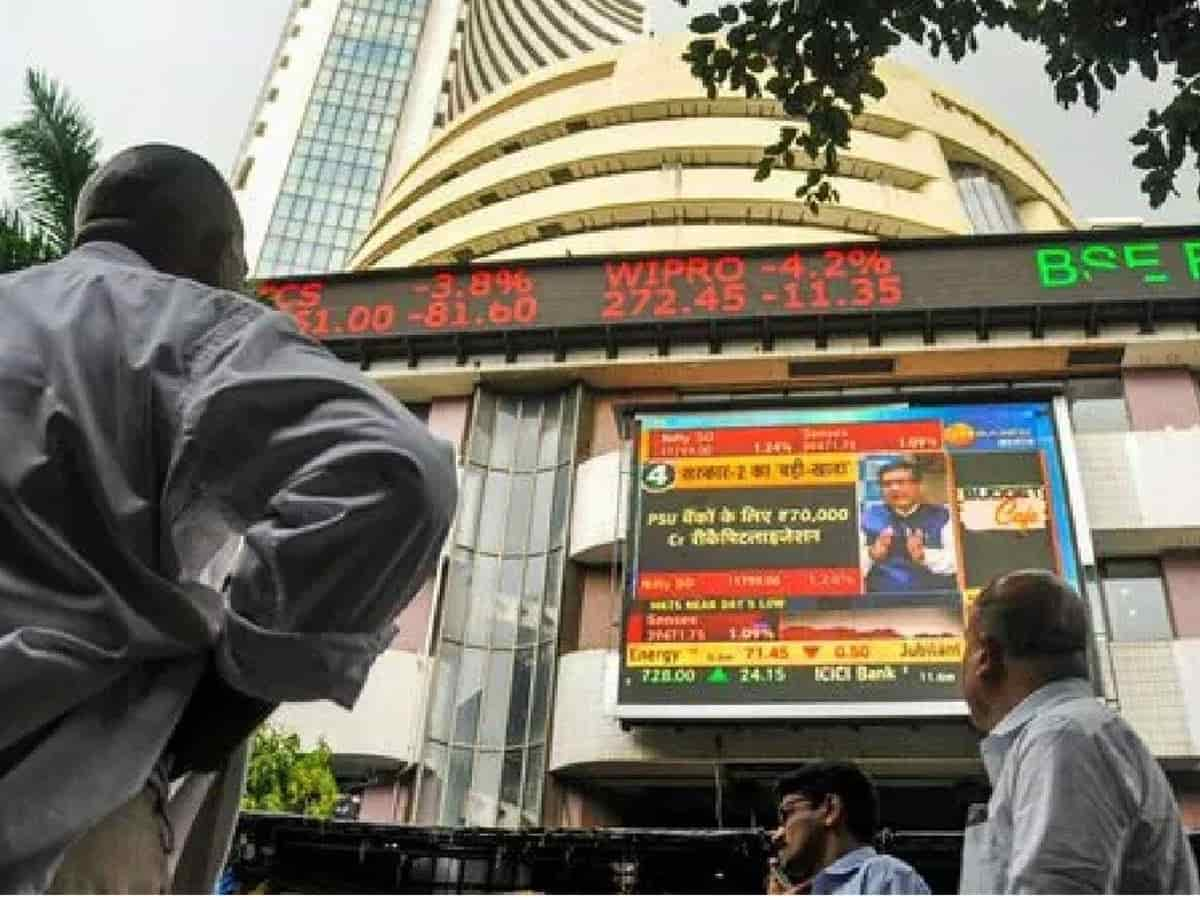
Foreign Institutional Investors (FIIs) made an aggressive comeback to Dalal Street, executing their largest single-day equity purchase of the year by pumping a massive net ₹14,975 crore into domestic stocks in a single trading session. The blockbuster buying spree marks an unexpected reversal after months of foreign capital outflows and has triggered strong upward momentum across India’s benchmark indices, propelling both the BSE Sensex and the NSE Nifty 50 into high-octane rallies.
Inside the Historic Inflow: Breaking Down the Exchange Numbers
According to provisional exchange data from the National Stock Exchange (NSE) and Bombay Stock Exchange (BSE), foreign portfolio managers engaged in aggressive broad-based accumulation:
-
Gross Purchases: FIIs purchased gross equity assets worth approximately ₹31,797.86 crore during the session.
-
Gross Sales: Outflows through offloading stood at roughly ₹16,823.18 crore.
-
Net Inflow: The transaction dynamic translated into a net buying figure of ₹14,974.68 crore (rounded to ₹14,975 crore).
In sharp contrast to the aggressive foreign inflows, Domestic Institutional Investors (DIIs) stepped into profit-booking mode, net selling approximately ₹10,444.54 crore to absorb the surging demand and rebalance domestic portfolios. The relentless foreign bids pushed total November net FII inflows past the ₹32,000-crore threshold within the opening week itself, turning market sentiment sharply bullish.
What Triggered the Massive Buying Spree?
Market analysts attribute this record-breaking capital re-allocation to a confluence of global political shifts, easing commodity benchmarks, and shifting sector rotations:
-
Easing Geopolitical and Trade Uncertainty: Macro signals following key international political outcomes and stabilizing overseas trade frameworks helped cool market volatility, encouraging foreign funds to increase exposure to high-growth emerging economies like India.
-
Cooling Crude Oil Prices: International crude benchmarks slid back toward the $93–$94 per barrel band, bringing immense fiscal relief to import-dependent economies like India. Lower energy prices ease imported inflation risks, improve the current account deficit, and brighten corporate earnings projections across consumer, transport, and manufacturing counters.
-
Re-allocation Away from Overheated Tech Bets: As the unbridled artificial intelligence capex frenzy witnessed rotation and valuation corrections across tech-heavy Asian markets like South Korea and Taiwan, global capital managers redirected diversified liquidity into India’s resilient consumption, private banking, and infrastructure leaders.
Broad-Based Market Rally Across Dalal Street
The sheer velocity of institutional buying lifted benchmark indices by over 2%, alongside strong participation from mid-cap and small-cap segments. Heavyweight private banks, large-cap IT exporters, and pharmaceuticals spearheaded the advance, easily outstripping targeted selling in cyclical commodities and materials. The advance-decline ratio across the exchanges remained heavily skewed toward gainers, signaling broad market participation rather than narrow, index-heavy manipulation.
Market Outlook: Will the Bull Run Sustain?
While the single-day injection of nearly ₹15,000 crore has energized retail and high-net-worth investors, brokerage houses maintain that sustained foreign inflows over the coming weeks will depend on upcoming corporate earnings prints, central bank interest rate trajectories, and domestic consumption trends. Nonetheless, the historic single-day vote of confidence firmly establishes Indian equities as a top destination for institutional capital seeking long-term structural economic growth.