North India Statesman
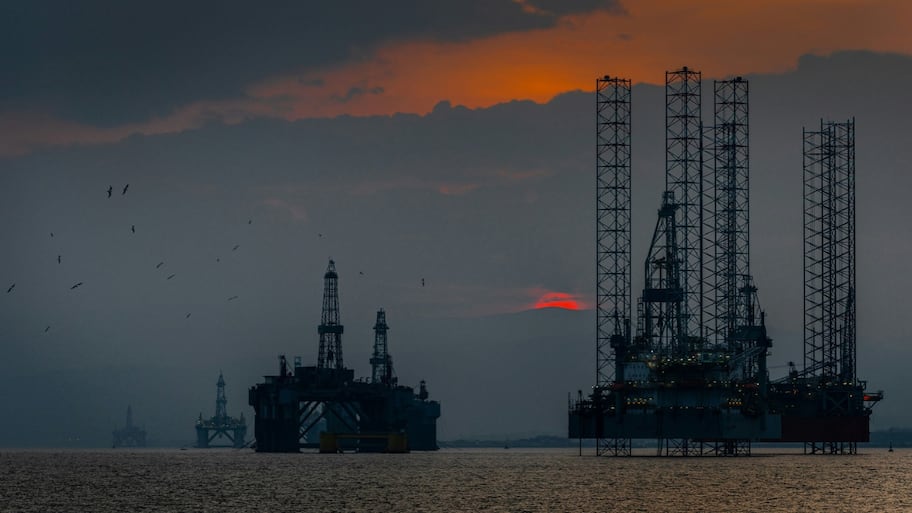
In a sweeping joint intervention to arrest skyrocketing global energy prices, the Group of Seven (G7) nations, alongside international partner economies, have officially agreed to tap emergency strategic stockpiles to release up to 100 million barrels of crude oil and refined diesel. Coordinated under the operational umbrella of the International Energy Agency (IEA), the emergency drawdown comes amid mounting political friction and heavy diplomatic pressure from United States President Donald Trump, whose administration has grappled with record domestic fuel inflation and looming midterm election pressures. The multilateral agreement marks one of the most significant energy market stabilizing actions, tailored specifically to target critically tight middle-distillate supplies.
Coordinated IEA Drawdown: Frontloading Diesel in First 20 Days
Under the framework finalized following high-level diplomatic talks between French President Emmanuel Macron and US President Donald Trump, the planned 100-million-barrel supply injection will be disbursed across international markets over a four-month period. A standout feature of this release is that member states have agreed to a “frontloaded substantial release” of diesel within the initial 20 days. Because diesel serves as the backbone fuel for freight transport, industrial manufacturing, global maritime logistics, and farming machinery, global shortages had triggered alarming price spikes that threatened to ripple through household food costs and headline inflation figures worldwide.
US Political Heat and Export Ban Threats Averted
The agreement follows an escalating standoff over energy security between Washington and its European allies. With US diesel pump prices crossing record thresholds—standing near $6.37 to $6.52 per gallon—the White House had actively floated the possibility of imposing unilateral export restrictions on American diesel to protect domestic consumers. Such a ban would have dealt a catastrophic blow to the European Union and the United Kingdom, both of which rely heavily on transatlantic refined fuel shipments. In resolving the impasse, G7 nations formally committed to “refrain from export restrictions on energy and energy products” against each other, securing an open flow of fuel in exchange for European and partner nations unlocking their sovereign reserves.
Ongoing Geopolitical Strain Drives Energy Volatility
The emergency intervention underscores the severe structural strain facing global commodity supply chains. Energy markets have remained under relentless pressure due to the prolonged war involving Iran, coupled with the enduring disruption of Russian supplies stemming from the war in Ukraine. In Europe, eurozone energy price spikes surged by double digits heading into autumn, complicating central bank inflation targets and sparking deep cost-of-living concerns. While market analysts caution that tapping strategic petroleum and distillate reserves offers temporary price relief rather than permanent capacity, the rapid release of 100 million barrels is designed to inject immediate liquidity and calm panic buying across major global commodity hubs.