 North India Statesman
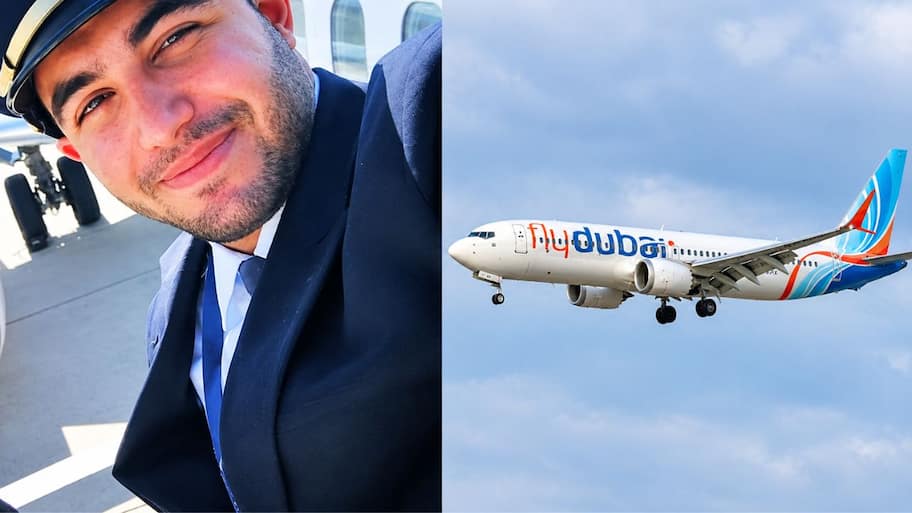
Hamam al-Hammami (also reported as Hamam Alhamami) is a 30-something Omani commercial aviator and first officer who was identified by international intelligence and aviation authorities as the suspect behind the mid-air sabotage aboard flydubai flight FZ1073. On September 30, 2026, while operating a scheduled flight carrying over 170 passengers from Dubai to Tel Aviv, al-Hammami allegedly stabbed Indian Captain Smit Machchhar inside the cockpit and forced the Boeing 737 into an uncontrolled dive before being overpowered by crew and passengers.
The revelation that al-Hammami had been flagged as a serious security risk and grounded by Oman’s national carrier two years earlier has triggered a major international investigation into airline background vetting and intelligence sharing.
Background, Early Life, and Career
Hamam al-Hammami was born in the United Arab Emirates to an Omani father and a Syrian mother, holding sole Omani citizenship. He completed a distance-learning degree in aviation management at Buckinghamshire New University in the United Kingdom, graduating in 2023.
He began his aviation career in the Sultanate of Oman, joining Oman Air as a trainee first officer. According to his career profile and regional reporting, he spent extended periods abroad—notably in Syria, where intelligence officials believe he was heavily exposed to radical Islamist ideology before relocating to the Gulf region.
The 2024 Red Flag: Grounding and Oman Air Ban
Investigative reports from ABC News, The Wall Street Journal, and regional security officials revealed that al-Hammami was explicitly flagged as a threat in 2024 while training at Oman Air:
-
Extremist Material Discovered: Security personnel at Oman Air found him in possession of radical ideological and extremist materials during routine internal checks.
-
Removed from Flight Roster: Following the discovery, Omani civil aviation and airline authorities barred him from commercial cockpits, stripped him of flight privileges, and re-assigned him to a desk-bound administrative position.
-
Radical Behavioral Indicators: Colleagues reported that he had adopted rigid fundamentalist views, refused to interact with or shake hands with female staff, and exhibited escalating ideological hostility.
Despite this formal grounding in Oman, flydubai recruited him approximately eight months before the attack, placing him on the sensitive Dubai–Tel Aviv corridor. Investigators are currently scrutinizing whether Oman failed to share its internal security blacklists with neighboring aviation registries, or if flydubai’s background check protocols suffered an administrative failure.
Digital Footprint and Extremist Affiliations
Following the mid-air attack, intelligence analysts tracked several digital footprints linked to al-Hammami. A LinkedIn account under his name—which was removed shortly after the incident—published two scheduled posts hours after the flight diverted:
-
One post contained video clips shot inside a Boeing 737 cockpit, culminating in images honoring slain al-Qaeda leader Ayman al-Zawahiri and Humam Khalil Abu-Mulal al-Balawi (the suicide bomber who killed seven CIA officers at Camp Chapman in 2009).
-
A second post featured an AI-generated rendering of Mecca, Medina, and Jerusalem accompanied by Arabic poetry celebrating martyrdom, self-sacrifice, and refusal of humiliation.
Legal Proceedings and High-Level Inquiry
Following the emergency landing at Prince Sultan bin Abdulaziz Airport in Tabuk, Saudi authorities took al-Hammami into custody before extraditing him to the United Arab Emirates.
The UAE Attorney-General has launched a formal anti-terrorism investigation, charging him with attempted mass murder, aircraft sabotage, and acts of terrorism. Simultaneously, Israeli intelligence agencies—including the Shin Bet and Mossad—have opened independent probes into how an individual barred from flight duty by an Arab state could board and operate a passenger route bound for Israel.


