North India Statesman
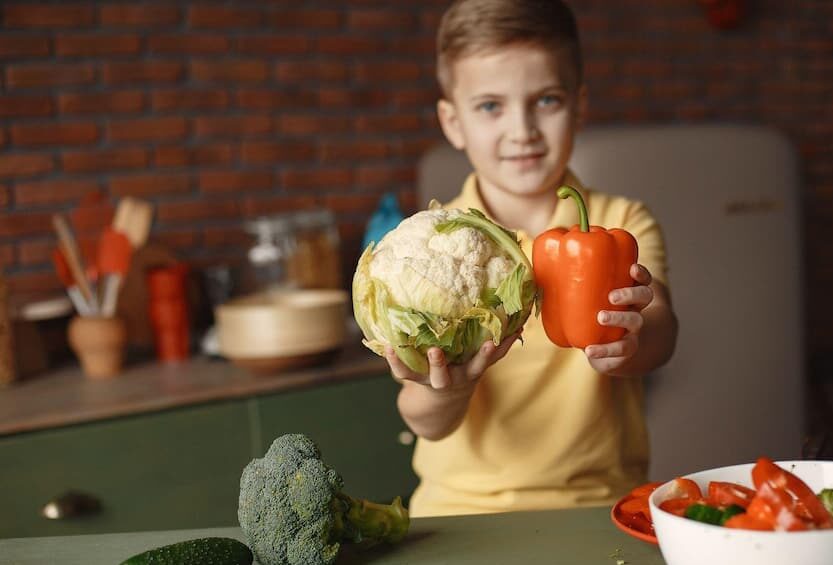
At five years old, a child undergoes one of the most dynamic phases of physical, cognitive, and emotional development. Across Indian households—from Unnao and Lucknow to Delhi, Mumbai, and Bengaluru—parents of five-year-olds face a common daily challenge: keeping up with a child’s boundless energy while navigating sudden picky eating habits and school-morning rushes. At this milestone age, children transition into structured kindergarten or primary school routines, requiring sustained mental focus in the classroom alongside vigorous physical play outdoors. Pediatricians and clinical nutritionists emphasize that what goes onto a five-year-old’s plate—especially during breakfast—directly shapes their immunity, bone density, gut health, and learning capacity for years to come.
Essential Nutrients Every 5-Year-Old Needs Daily
According to pediatric dietary guidelines issued by the Indian Council of Medical Research (ICMR) and the National Institute of Nutrition (NIN), an active five-year-old requires roughly 1,350 to 1,500 kilocalories per day, packed with high-density micronutrients rather than empty calories. Because a child’s stomach is relatively small, every bite must count. Protein sits at the top of the priority list, supplying the amino acids required for rapid muscle repair, tissue growth, and enzyme production. Complex carbohydrates derived from whole grains provide steady, slow-releasing fuel without causing erratic blood sugar spikes. Healthy fats—particularly omega-3 fatty acids found in walnuts, flaxseeds, and pure desi ghee—are indispensable because nearly 60 percent of the human brain is composed of fat, and neural connections multiply rapidly during early childhood. Equally vital are calcium and vitamin D for strengthening developing bones and emerging permanent teeth, alongside iron and zinc to prevent childhood anaemia and shield against recurrent seasonal infections.
Why Breakfast Is the Most Important Meal for Growing Kids
After an overnight fast of ten to twelve hours, a five-year-old wakes up with depleted glycogen stores and low blood glucose levels. Skipping breakfast or sending a child to school on just a glass of sweetened milk or a packet of biscuits leaves the brain starved of essential fuel. Clinical pediatric studies consistently show that children who eat a balanced, protein-and-fibre-rich breakfast demonstrate sharper memory retention, better attention spans, and calmer emotional regulation during morning classes. Conversely, children who miss a proper morning meal experience mid-morning fatigue, irritability, and intense cravings for sugary or deep-fried canteen snacks by lunchtime. A wholesome breakfast jumpstarts the child’s metabolism, establishes healthy circadian eating rhythms, and supplies nearly one-fourth of their daily nutritional quota before 9:00 AM.
Best Indian Breakfast Options for a 5-Year-Old Child
Traditional Indian kitchens offer an extraordinary variety of nutritious, kid-friendly breakfast dishes that balance taste with digestive ease. Parents can rotate these wholesome meals throughout the school week to prevent boredom while maximizing nutrient diversity.
-
Moong Dal or Besan Chilla with Paneer: Savoury lentil pancakes stuffed with grated paneer and finely chopped spinach or carrots deliver a powerhouse combination of plant and dairy protein, iron, and folate. Serving them warm with homemade green coriander chutney or fresh curd makes them soft and easy to chew.
-
Vegetable Poha or Suji Upma with Peanuts: Flattened rice or roasted semolina cooked with peas, carrots, curry leaves, and a handful of crushed roasted peanuts offers easily digestible carbohydrates, healthy fats, and B-vitamins. A squeeze of fresh lemon juice at the end enhances iron absorption from the ingredients.
-
Stuffed Whole-Wheat Paratha with Curd: Whole-wheat parathas stuffed with mashed potatoes, grated cauliflower, boiled lentils, or methi leaves, cooked lightly in desi ghee and paired with a bowl of probiotic-rich curd, keep active children full until lunchtime.
-
Steamed Idli or Ragi Dosa with Sambar: Fermented rice-lentil idlis or finger-millet (ragi) dosas served with mild vegetable sambar and coconut chutney are gentle on young stomachs while packing exceptional amounts of natural calcium, gut-friendly probiotics, and dietary fibre.
-
Eggs with Multigrain Toast and Fruit: For non-vegetarian families, a boiled egg, vegetable omelette, or scrambled paneer-egg bhurji paired with whole-grain toast and sliced banana or papaya provides complete bioavailable protein and choline for brain development.
-
Ragi or Oats Porridge with Nuts: Warm finger-millet or rolled-oats porridge cooked in milk and naturally sweetened with mashed dates, figs, or banana—topped with powdered almonds and walnuts—serves as an ideal quick breakfast on busy winter mornings.
Structuring the Full-Day Diet Plan for Active 5-Year-Olds
While breakfast sets the tone, a five-year-old thrives on a predictable schedule of three main meals and two nourishing mini-meals spaced every two-and-a-half to three hours. For the mid-morning school tiffin around 10:30 AM, pack easy-to-eat finger foods such as seasonal fruits like apple slices, chikoo, guava, or berries, alongside roasted makhana or a homemade dry-fruit ladoo. Lunch at around 1:30 PM should mirror a balanced Indian thali: one or two soft rotis or a small portion of steamed rice, a bowl of thick dal or rajma/chole, a lightly spiced seasonal vegetable, and a small serving of curd or buttermilk. During the evening playtime hunger window around 5:00 PM, replace packaged chips and bakery items with boiled sweet corn chaat, sprout salad, or homemade vegetable sandwiches. Dinner should be served early, ideally by 7:30 PM or 8:00 PM, featuring light, comforting dishes like vegetable khichdi, dal-roti, or clear lentil soup so the child sleeps deeply without digestive discomfort.
Foods to Avoid and Smart Habits for Fussy Eaters
Protecting a five-year-old’s developing palate and metabolism requires keeping ultra-processed foods out of daily reach. Pediatricians strongly advise avoiding sugary breakfast cereals, packaged fruit juices, aerated drinks, instant noodles, and deep-fried snacks, as excess refined sugar and trans fats blunt natural appetite, harm dental enamel, and increase long-term metabolic risks. Instead of forcing a reluctant child to finish large adult-sized portions, serve smaller, colourful meals on divided plates and allow them to choose between two healthy options—such as picking between paneer paratha and vegetable idli. Ensure they drink adequate plain water throughout the day rather than filling up on sugary beverages, and maintain a strict screen-free rule at the dining table so children learn to recognize their natural hunger and fullness cues. By combining home-cooked Indian staples with patience and routine, parents can effortlessly build a lifelong foundation of vibrant health and strong immunity for their five-year-old.