North India Statesman
[ad_1]
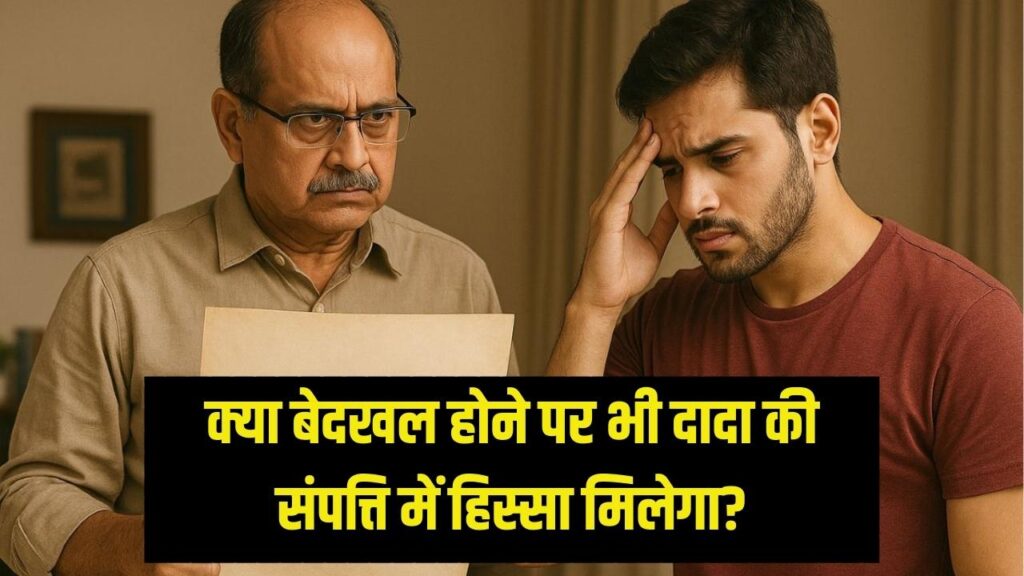
Property Law Explained: “You get out of my house! From today onwards you have no right on this property!” These words spoken in anger in families, often put a knot in relationships for life and give rise to endless disputes over property.
A very common and complicated question is – If the father disinherits the son from his property, can his son, i.e. the grandson, claim the grandfather’s property?
Let us understand this entire matter in very simple language, so that the confusion between relationships and money can be removed.
First understand, there are two types of property
In the eyes of law, property does not just mean land or house, but it is of two different types:
- Self-earned property: This is the property that the father has purchased from his job, business or his hard-earned money, like a flat or a shop.
- Ancestral property: This is the property which has been inherited from your great grandfather to your grandfather, from grandfather to your father and from your father to you, and which has not been divided till date.
Who has right on which property?
- On his own earnings: The father is the ‘owner’ of the property he has earned through his hard work. If he wants, he can sell it, donate it, or give it to anyone in his will. If he wants, he can completely evict his son from it.
- On ancestral property: On this the father is not the ‘owner’ but only a ‘shareholder’. The son or grandson acquires the right to this property by birth. The father cannot give it to anyone as per his wish.
So now let’s come to the real question: What rights does the grandson have?
Consider this in two situations:
Situation 1: The property is self-earned by the grandfather
If the property has been created by the grandfather through his own hard work, the grandson cannot make any direct claim on it. It is Dada’s choice as to whom he gives it to. Yes, if the grandfather passes away without making a will, and the grandson’s father is also dead, then the grandson can inherit his father’s share of land.
Situation 2: The property is ancestral
This is the most important thing!
- The grandson has the right by birth to inherit the ancestral property, even if the father has been thrown out of the house.
- But, there is a catch! A recent decision of the Delhi High Court has made it clear that as long as the father is alive, the grandson cannot directly file a case for his share in the grandfather’s ancestral property.
- He gets this right only when either his father has died or the property is being divided.
So how to avoid conflicts?
Property disputes go on in court for years and destroy relationships forever. There are some easy ways to avoid these:
- Talk openly: Big issues can be resolved by sitting and talking peacefully in the family.
- Make a will on time: Make a will especially for your self-earned property, so that there is no dispute after you.
- Consult a lawyer: If the matter seems complicated, there is no harm in taking advice from a good lawyer.
Law gives rights to everyone, it just needs to be understood properly.