North India Statesman
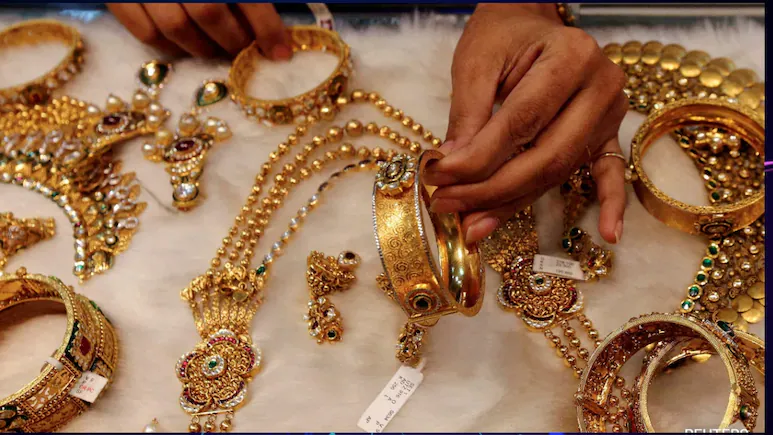
Gold has long served as a cornerstone of wealth preservation and financial security across Indian households. However, buying traditional physical gold in the form of heavy jewellery or physical coins comes with significant pain points—including making charges, purity doubts, theft risks, and bank locker rental costs. To modernize gold ownership while retaining full physical backing, stock exchanges in India have operationalized Electronic Gold Receipts (EGRs) under regulatory guidelines set by the Securities and Exchange Board of India (SEBI).
Trading on the National Stock Exchange (NSE) and Bombay Stock Exchange (BSE), Electronic Gold Receipts allow everyday retail investors, bullion traders, and institutional market participants to buy, hold, and sell gold in dematerialised (demat) format, just like buying shares of a listed company. Understanding how the EGR framework operates helps investors decide whether this SEBI-regulated financial instrument belongs in their long-term asset allocation strategy.
What Are Electronic Gold Receipts and How Do They Work?
An Electronic Gold Receipt (EGR) is an exchange-traded security representing legal ownership of physical gold deposited in SEBI-accredited vaults. Every single unit of an EGR issued on the exchange is backed 100% by underlying physical gold of guaranteed 995 or 999 purity standards maintained under strict regulatory oversight.
The ecosystem relies on three key operational pillars working seamlessly behind the scenes:
-
Vault Managers: SEBI-registered entity custodians (holding a statutory minimum net worth of ₹50 crore) tasked with receiving physical gold, testing purity, storing it securely, and creating corresponding electronic vault receipts.
-
Stock Exchanges (NSE & BSE): National trading platforms where accredited vault receipts are listed and traded electronically during market operational hours.
-
Depositories (NSDL & CDSL): National depositories that credit the dematerialised EGR units directly into the investor’s existing equity demat account upon transaction settlement on a standard T+1 business day cycle.
Because EGRs represent real physical gold, investors retain the right to surrender their electronic units on the exchange at any time and request physical delivery of physical gold bars or coins at designated vault locations.
Key Advantages of Investing in NSE EGRs Over Physical Gold
For retail buyers and long-term accumulators, Electronic Gold Receipts resolve structural inefficiencies historically tied to buying gold over retail counters:
-
Fractional Ownership: NSE permits EGR trading in granular denominations, ranging from micro-units like 100 milligrams or 1 gram up to 10 grams, 100 grams, or 1 kilogram bars. This enables systematic monthly accumulation without needing large lump sums.
-
Guaranteed Purity and Zero Making Charges: Unlike retail jewellery which incurs non-recoverable making charges ranging between 8% and 25%, trading EGRs on the exchange reflects pure gold spot pricing without markup expenses or purity disputes.
-
Elimination of Theft & Locker Costs: Physical gold held at home creates security worries, while bank lockers impose recurring annual rental fees. Gold backing your EGR sits in institutional, fully insured SEBI-accredited vaults.
-
Transparent National Pricing: The exchange framework establishes uniform, transparent real-time gold pricing across India, eliminating regional price markups charged by unorganised local jewelers.
Step-by-Step Guide: How to Buy and Redeem EGRs via Demat
Participating in the NSE EGR segment requires no separate specialized account opening if an investor already holds an active trading and demat account with a SEBI-registered stockbroker.
-
Step 1: Check Broker Connectivity: Confirm that your stockbroker supports order execution on the exchange’s Gold Exchange segment.
-
Step 2: Place an Exchange Order: Log into your trading app during market hours (typically 9:00 AM to 11:30 PM / 11:55 PM IST), search for the desired EGR contract (e.g., 1g or 10g denomination), inspect live bid-ask quotes, and place a buy order.
-
Step 3: T+1 Demat Credit: Upon order execution, the purchased EGR units will reflect in your demat holding statement on the next business day (T+1).
-
Step 4: Selling or Physical Redemption: When you wish to liquidate, you can sell your EGR units on the exchange floor for immediate cash credit. Alternatively, if you accumulate the minimum physical delivery threshold specified by the vault manager, you can lodge a physical withdrawal request to collect physical gold bars directly.
Taxation Rules: Capital Gains, GST, and Conversion Provisions
Navigating tax liabilities is essential when evaluating Electronic Gold Receipts alongside physical gold or Gold ETFs:
-
No GST on Trading: Buying or selling EGRs digitally on stock exchanges attracts standard brokerage and exchange transaction charges, but zero Goods and Services Tax (GST).
-
3% GST Only Upon Physical Withdrawal: GST at 3% applies only if an investor chooses to convert their electronic receipts into physical gold coins or bars at the vault level.
-
Tax-Free Physical Conversion: Under Section 47(viid) of the Income Tax Act, converting physical gold into an EGR (or converting an EGR back into physical gold) is not legally treated as a “transfer”. Consequently, no capital gains tax is triggered at the moment of physical conversion.
-
Capital Gains Taxation on Exchange Sales: Selling EGRs on the exchange floor for cash profit attracts capital gains tax. Held for less than 12 months, profits are treated as Short-Term Capital Gains (STCG) and added to your slab rate. Held for 12 months or longer, gains qualify as Long-Term Capital Gains (LTCG) taxed at a flat rate of 12.5% without indexation benefits.