North India Statesman

Delivering an uncompromising address before world leaders at the 81st United Nations General Assembly in New York, Iranian President Masoud Pezeshkian declared that the Islamic Republic of Iran has historically been the primary “victim of US-backed terrorism” and illegal economic warfare. Rejecting aggressive rhetoric and recent threats from Washington, the Iranian head of state drew an explicit red line regarding the sovereignty of the Persian Gulf and the Strait of Hormuz. Pezeshkian warned international powers that any attempt to breach Iran’s territorial integrity, disrupt vital coastal waters, or impose unilateral maritime blockades would be met with an immediate, proportionate, and decisive response from Tehran’s armed forces.
‘Iran Stands as the Primary Victim of Foreign Aggression’: Pezeshkian
Speaking from the UN podium under the assembly theme of restoring global trust, President Pezeshkian rejected Western portrayals of Iran as a regional destabilizer. Pointing to decades of unilateral sanctions, covert operations, assassinations of high-ranking commanders and civilian scientists, and targeted economic strangulation, he maintained that the United States and its regional allies have consistently engaged in state-sponsored terrorism to subdue sovereign nations.
Pezeshkian underscored that the resilient people of Iran have endured severe economic blockades that directly restrict civilian access to life-saving medicines and essential trade. Emphasizing moral clarity, he declared that those who supply high-precision munitions to fuel civilian devastation across the Middle East possess no moral authority to lecture the international community on human rights or regional peace.
Drawing the Red Line on the Strait of Hormuz and Persian Gulf Security
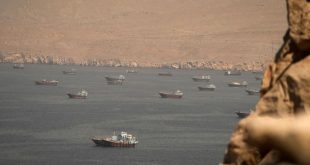
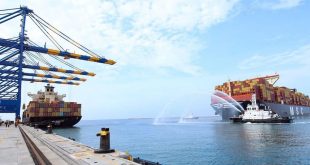
Addressing rising tensions across critical global energy shipping corridors, the Iranian President delivered an explicit message regarding maritime security in the Strait of Hormuz. He reaffirmed that regional security can only be achieved and maintained by the littoral nations of the Persian Gulf, rather than through the presence of foreign Western warships and aggressive escort flotillas.
Pezeshkian noted that while Iran guarantees lawful commercial maritime navigation, foreign military interventions and interdictions on Iranian commercial shipping will never be tolerated. Drawing a clear red line, he warned that any attempt by external forces to seize sovereign assets, blockade vital straits, or threaten Iranian security would result in an immediate and crushing defensive counterstrike, stressing that Tehran will defend its maritime frontiers without hesitation.
Reaffirming Support for Resistance and Condemning Regional Injustices
Turning to broader regional conflicts, President Pezeshkian voiced strong support for oppressed populations throughout the Middle East, reiterating that regional resistance movements are indigenous reactions against systemic colonization, military aggression, and endless occupations.
He called upon the United Nations Security Council and the international community to break their silence and hold aggressor states accountable for violations of international law, demanding an immediate halt to civilian bombings and an end to unilateral extraterritorial sanctions that bypass the UN charter.
Readiness for Principled Dialogue Under Mutual Respect
While adopting a firm defensive stance, Pezeshkian indicated that Iran has never sought armed conflict, nuclear weaponization, or unprovoked escalations with global powers. He reiterated Tehran’s readiness to participate in constructive, transparent, and dignified diplomatic engagements—provided Western nations abandon the language of ultimatums, lift coercive sanctions, and deal with Tehran strictly on the basis of equal footing and mutual respect. Concluding his remarks, the Iranian leader stated that genuine peace cannot be achieved through intimidation or military posturing, but only through justice, mutual recognition, and the complete withdrawal of destructive foreign interference from the region.