North India Statesman
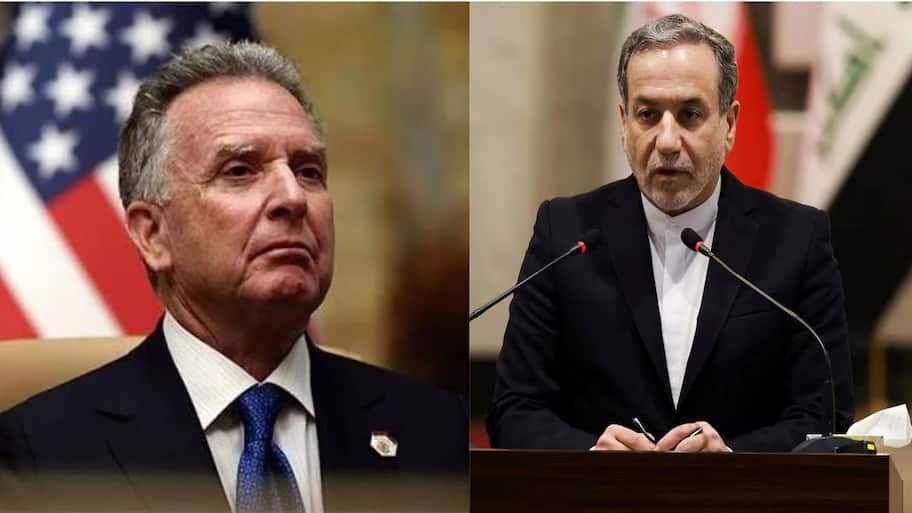
In a dramatic collision of high-stakes diplomacy and battlefield rhetoric, Iranian Foreign Minister Abbas Araghchi engaged in quiet, backchannel meetings with US Special Envoy Steve Witkoff and Jared Kushner in New York, even as US President Donald Trump delivered a fiery speech at the United Nations General Assembly warning of the total “annihilation” of the Islamic Republic. The parallel developments reveal a stark contrast between explosive public posturing and delicate closed-door negotiations aimed at preventing a catastrophic regional escalation in the Middle East.
Secret Backchannel Diplomacy on the Sidelines of UNGA
While Iranian diplomats staged a visible walkout from the UN General Assembly hall during Trump’s address, serious diplomatic maneuvering was underway behind closed doors. Foreign Minister Abbas Araghchi held discussions with Steve Witkoff, Trump’s special envoy, alongside Jared Kushner, who continues to wield significant influence in Middle Eastern diplomatic corridors.
The meetings, facilitated through intermediaries and held in discrete diplomatic spaces in Manhattan, focused on establishing baseline de-escalation parameters. Observers described the talks as a critical opening to evaluate whether a verifiable diplomatic breakthrough is achievable or if both nations remain locked on an irreversible collision course.
Trump’s Stark Ultimatum: ‘Rebuild or Annihilate’
The quiet negotiations stood in sharp contrast to the stark ultimatum delivered by President Trump from the UN podium. In his address to world leaders, Trump framed Washington’s policy toward Tehran in absolute terms, presenting the Iranian leadership with an existential choice:
“Will a deal be made with Iran that lets them rebuild and create a far greater country than it ever was before? … Or do I annihilate the Islamic Republic, and do it quickly, never giving them a chance to kill and destroy people and countries again?”
The explicit threat drew condemnation from Tehran’s military establishment, which labeled the remarks as political theater designed for domestic audiences. However, the decision by the Iranian delegation to permit high-level interactions with Witkoff and Kushner suggests that Tehran remains eager to explore realistic diplomatic off-ramps.
Critical Bargaining Chips: Strait of Hormuz, Sanctions, and Regional Deterrence
Diplomatic sources familiar with the discussions indicate that the secret meetings centered on immediate, tangible security flashpoints rather than broad ideological reconciliation. Among the primary topics under review:
-
Maritime Security in the Strait of Hormuz: With vital global energy chokepoints facing continuous disruption and US naval forces conducting armed escort operations for commercial tankers, negotiators explored terms to de-escalate naval confrontations and secure free maritime passage.
-
Targeted Sanctions Relief and Economic Guarantees: The Iranian delegation pressed for the suspension of crippling secondary sanctions on commercial shipping, port infrastructure, and oil exports as a necessary prerequisite to any broader framework.
-
Regional Proxy De-escalation: US representatives stressed the non-negotiable requirement for verifiable pullbacks in proxy warfare across the Red Sea, the Levant, and the Persian Gulf.
Navigating Domestic Optics While Seeking a Pragmatic Compromise
Both administrations face immense domestic scrutiny that complicates direct diplomacy. For President Masoud Pezeshkian and Abbas Araghchi, maintaining a resolute posture of national sovereignty and anti-imperial defiance is essential to keep hardline factions and the Islamic Revolutionary Guard Corps (IRGC) on board. For the US side, projecting overwhelming military leverage serves to reassure regional allies while compelling Tehran to accept stricter compliance measures.
Despite the contrasting optics—walkouts inside the assembly hall and cordial negotiations in hotel suites—the Araghchi-Witkoff-Kushner dialogue represents the most concrete diplomatic opening between Washington and Tehran in recent months, setting the stage for decisive encounters in the weeks ahead.